The new Dissociation Link newsletter is now out, feel welcome to print, download, or share it 🙂
Dissociation Link 5
Dissociation Link 5
Some nights, when I feel strong, I sit in it. I quiet all the sounds and noise in my head and I listen to my heart beating in my ears, and I feel the shock that this is my life – that after all the plans and dreams and fears, this is the life I am leading. Strange and sad and beautiful, deeply loved, and built from so much loss. So many things I have so deeply feared have not come to pass, I have not aged to a dry husk, an empty adult, a Brian Aldiss adult; the corpse of a child. So many years that fear caught in my throat. I have not foundered on pain. Terrible things have happened and I have survived. It turns out I am strong, exactly as strong as I have needed to be, not one bit more or less, scales that balance perfectly. There is pain here, but not death, not nihilism, not hatred. Nightmares that evaporate in the dawn. And also, that so many things I have so deeply feared have already happened, that I walk with scars, my dreams that will never be sweet nothings, my hands that tremble in the dark.
I’m a little afraid of the dark, of the silence in my house. I’m wise to be, I’ve learned a lot since I was young. I’ve learned not to ask the big questions with such urgency that you tear open upon them. No bleeding out on the bathroom floor. I’ve learned that some truths kill to hold. You have to forget them for a little while, then fall over them in the dark again, discover them anew, remember what hurt again. Day and night, dark and light, memory and loss.
I’m also, perversely, a little relieved. All that time spent in the sun has not sapped the night of its power. The glorious orchestra of sound is still living in the presence of a silence that speaks into my bones. I hear the in-breath before speech and I close my ears. But I’m glad to know it’s there, a voice that speaks below the threshold of hearing, a strength that is not made of light, or day, or sweetness, but is fierce with the unspeakable truths and the hope you find when you walk into the heart of your nightmare and are not consumed by it. Still wings from these shoulders, though you cannot see them, still dreams in a dark heart. Still drinking deeply from that cup, however bitter. I still feel Narnia on the wind, in the night, the song of drains and the sadness of the rain, the empty sky over the sea, where I wait at the edge of my world and remember that all my life is only this breath and the next, lightning in my brain, blood under skin and memories like shadows.
I remember again that I used to live for more than the day, and I find the night waiting for me, just waiting for me to walk in it, to remember it, to return to it, to find nerves in my skin again and the alien moonlight silver on my skin. When I open my mouth, poems fall like toads or pearls, and something here in the dark speaks my name, restores to myself. For just a few hours I leave behind me the small world we agree to live in where there is no wonder and no gravity, where all is light and glass, no shadows and no mystery, but this is not their life, it is mine, all mine, every minute of it my own and tonight I can smell the grass and the peppercorn tree and see stars through cloud like tiny pearls in silk, and hear the trains far away in the night.
Multiplicity describes a form of dissociation that happens in the area of identity. Dissociation can happen in many different areas, of which identity is one.
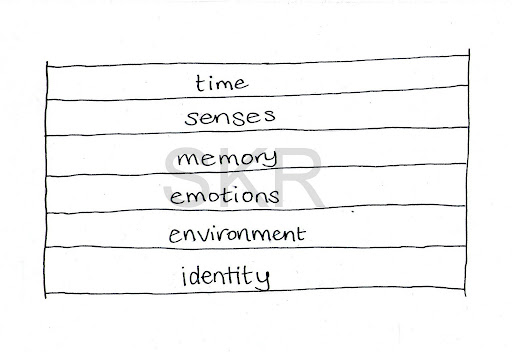
To start with a broader understanding of dissociation read About Dissociation. Dissociation describes a disconnection of some kind. Disconnection in the area of identity can occur in a very mild and commonly experienced way, or be quite extensive and severe. We tend to think of multiplicity as being a distinct category of its own, something you either have, or don’t have. Dissociation occurs in degrees of severity in any area, including identity.
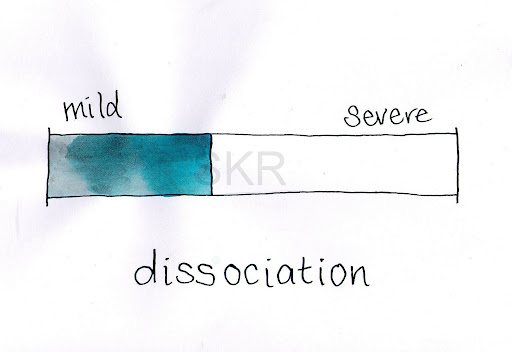
People also often use the diagnosis of Dissociative Identity Disorder (DID) as a shorthand term for the concept of multiplicity. DID describes very high levels of dissociation in the areas of both identity and memory. It is possible to experience multiplicity without memory loss (in fact, this is sometimes part of the goal of therapy for people who have DID) and people with that experience may instead be given the diagnosis of Dissociative Disorder not otherwise specified (DDnos). People with multiplicity issues may also be diagnosed as schizophrenic, psychotic, or other conditions, or not given any diagnosis or framework to make sense of their experiences.
Right down the ‘normal’ end of this spectrum, we all have ‘parts’ if you want to look at things that way.
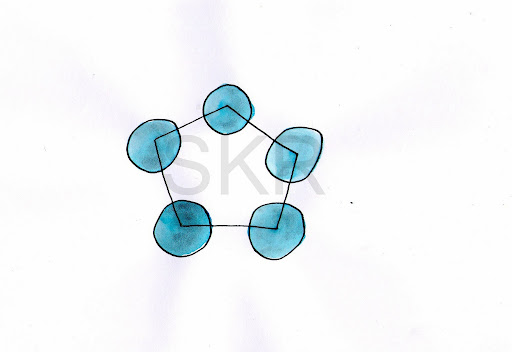
We all play different roles in different areas of our lives. We show different sides of ourselves in different relationships – with our co-workers, our friends, and our children. Some theories of personality and identity development now conceive of the idea that everybody is an integrated network of sub-personalities, united by a single sense of consciousness. So, to a certain extent, we can all relate to the concept of multiplicity. We know what it feels like to be in two minds about something, to have conflict between aspects of ourselves “Part of me wants to go out tonight, and part of me wants to stay home.” We may also have experienced spending time with a new friend, who bring out a side of ourselves we hadn’t known was there. We may feel like we leave parts of ourselves behind – perhaps the part that loves to study and research is left behind as we throw ourselves into parenthood, or our fun and silly part is forgotten about as we try to manage a large company. We may also recover and reconnect with these parts later in life. All of these parts are ‘us’; they are all facets of a single, whole personality, and there is a high degree of connection and cohesion between these parts.
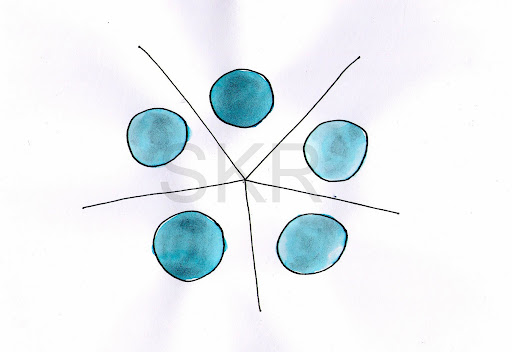
In multiplicity, there are dissociative barriers between these parts, like walls that disconnect them from each and keep them separate. The degree of multiplicity is determined by the extent of this disconnection. So, what are some ways multiplicity might present?

This is a really common form of mild multiplicity, particularly for people who have come through some kind of trauma. People talk about ‘the me that’s talking to you now’ and ‘the me that went through that’. They are both the same person, there is a single sense of consciousness and a unified self. There can be a sense of living in two worlds, and that even when the trauma is over, part of them is still stuck in the trauma world. For example, some people describe themselves as having been ‘the day child and the night child’. This is not DID and does not necessarily mean you have a mental illness or need to feel worried. It’s a common form of disconnection.
Rational-Emotional Split

Another really common mild form of dissociation in identity, people can experience a disconnection between their ‘mind’ and ‘heart’. For example, they can remember the facts, dates, information about a traumatic event, or they can feel the emotions associated with it, but not both at the same time. Depending on how this presents, it may be dissociation in the area of emotion, but where it is associated with feeling like there are two distinct parts of you then it may be more useful to consider it a form of mild dissociation in the area of identity.
Like all forms of dissociation, these are not necessarily pathological. In fact some therapeutic interventions, such as the mindfulness approach of developing the ‘observing self’ may be conceived of as a form of mild functional multiplicity that supports and enhances people’s ability to gain useful perspective on themselves and their situation.
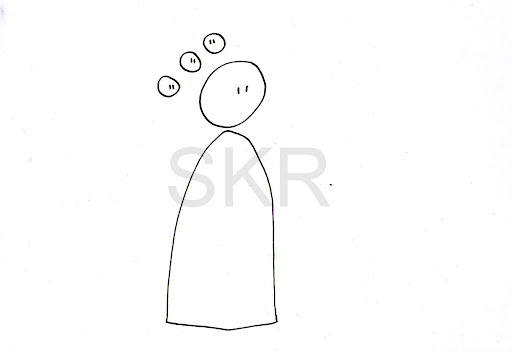
Some people who hear voices understand their voices as being parts. This is particularly so when the voices have stable personalities of their own and have been heard by the person for a while. The framework of multiplicity is not appropriate or useful for all voice hearers however! There are many other ways of making sense of voices. (see Hearing Voices Links and Information for some resources) But for some people, it helps to think of their voices as parts of them-self, or parts their mind has created. For these people, their relationship with their voices is often the key to whether their voices are comforting assets or disabling and destructive. There is a common idea that how people experience voices is diagnostic; that people who hear voices in their mind have a dissociative condition, while people who hear them through their ears (as if someone else is standing behind them talking) have a psychotic condition. This would be a convenient distinction but research doesn’t support it.
Parts that Affect My Mind
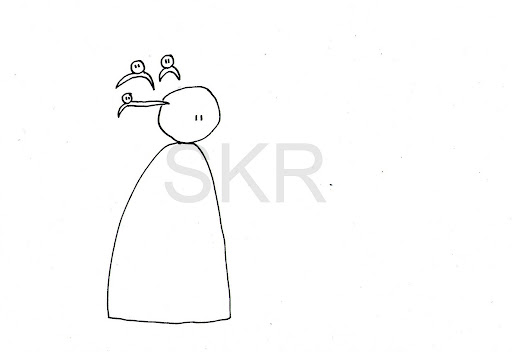
These parts have the ability to affect how someone thinks and feels. They may be able to block memories, take away words, flash images into the person’s mind, block or trigger emotions. These kinds of experiences are often considered to be part of the Schneiderian First Rank Symptoms (FRS), and to mean that the person has schizophrenia. However people who do not have schizophrenia may also experience FRS, and some research suggestions that FRS are actually more common for people who have DID than people who have schizophrenia. The person in this illustration does not have DID, as they do not switch and they do not experience amnesia (dissociation in memory). However, their experiences can be understood as being a form of multiplicity rather than psychosis. Their parts may talk to them (as voices) or be completely outside of their awareness.
Parts that Affect My Body

These parts have the capacity to affect the person’s body (another FRS). People who experience this may describe watching their own hand write in a different handwriting, or having a voice that can move their body and make them safe when they freeze in dangerous situations. This can also be really frightening and people may feel possessed and like they are fighting for control of their own body. They may or may not hear these parts as voices, and may or may not be aware of them or know what they are fighting for control with. If people interpret this experience through a spiritual framework, such as demons possessing them, they may become extremely distressed.
Co-conscious Switching
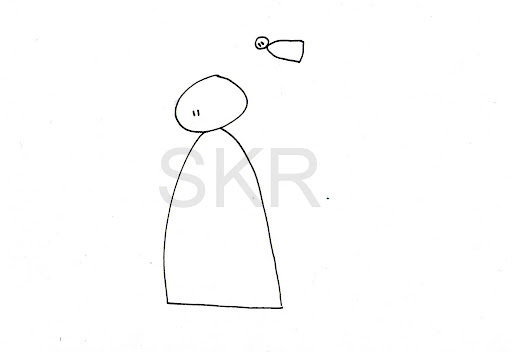
This person has a high level of multiplicity with at least one self contained, separate part that at times ‘switches’ and operates the body with complete control. Even when the other part is out, this person is still aware of what is happening, or they are filled in on what has been going on. This kind of awareness is called co-consciousness, it means there isn’t amnesia (dissociation in memory) happening for them.
Amnesiac Switching

Dissociative Identity Disorder is the diagnosis for people who experience amnesiac switching. This means that when they switch and another part is out, controlling the body and going about their day, then they are not aware of what is happening. They don’t experience themselves as switching, their perception is that they ‘lose time’ or have blackouts. Minutes, hours, days, weeks, or even years may go by without them knowing what is going on. When they come back out they may discover they’re wearing clothes they would never choose, or that major life changes – house, job, partner, have happened while they were gone.
Where there is more than one other part in a system, there may be different levels of awareness and multiplicity between the parts. For example, imagine a multiple with four parts, Greg, Graham, Greg 2, and Pearl. Greg is amnesiac when Greg 2 or Pearl are out, Pearl is amnesiac for everyone else and doesn’t know she has parts, but Greg 2 is aware of everyone and what is happening all the time. Graham never comes out, he is a part that speaks to Greg or Greg 2, but he doesn’t know about Pearl and Pearl can’t hear him. These things may not be fixed either, perhaps if Pearl was in a situation of terrible danger she might suddenly be able to hear Graham telling her to run to safety. Over time things can change.
Some multiples are in fact highly fluid, with such constant changes that system mapping is impossible and pointless until some degree of stability has been created. On the other hand, some multiples are so fixed that they find their parts are all playing roles and trying to manage people and circumstances that have long since changed. The best functioning – as with all people – seems to be a balance between flexibility (adaptation, growth) and stability.
As with all other psychological symptoms, different things can cause them, including physical illnesses and problems. If you suddenly develop parts or any other form of dissociation it is important not to presume that a psychological process is always at work. Symptoms may in fact be due to an infection or kidney problems for example.
Multiplicity can be both under, over, and misdiagnosed, as with all psychological conditions. There are other psychological processes that can seem similar to multiplicity – such as rapid cycling Bipolar, (where mood changes may be mistaken for different parts) or chronic identity instability as part of Borderline Personality Disorder (where the issue is more a disconnection from a sense of coherent self rather than the division of the self into parts). People who have a high level of adaptation to different environments may seem to ‘change personalities’ in different situations but this relates more to issues around ego boundaries rather than a divided self. Other forms of dissociation can be mistaken for multiplicity, such as when people experience severe levels of amnesia and it is assumed that this must mean that another part has been out, whereas they may not have any multiplicity at all, only memory issues. Ego states are a way of describing ‘normal parts’ and sometimes these will be mistaken for DID when inexperienced people think that feeling like a child again when you’re around your parents, for example, means that you are a multiple. Multiplicity is only one framework among many, if it doesn’t fit or isn’t helping, keep looking. There are many other ways of understanding your experiences, spiritual, social, mood related, biological, and so on. It is also possible that more than one thing is going on, for example you may have multiplicity and bipolar. In that case bipolar symptoms may occur across all your parts, or perhaps only 2 parts have bipolar and the rest do not.
It is really common for people struggling with multiplicity issues to be given many different diagnoses and spend many years in the mental health system before somebody considers dissociation as a possibility. A lack of training and awareness about these issues, as well as sensationalism and controversy have unnecessarily clouded this field and made life a lot more difficult for many people. People with parts are not more special than anyone else, and although multiplicity can seem startling at first, it is really no stranger than the experiences of people who have psychotic episodes, mania, or compulsions. There is a high level of stigma and freak factor around multiplicity that can cause a lot of problems for people who experience this and can make it very difficult to think clearly about. If you’re trying to work this out it can be tough, hang in there and be nice to yourself. You may it helpful to read How do I know I’m multiple?
Whatever is going on for you, there is hope for recovery. What that looks like is different for different people, rather the way it is for voice hearers – when ‘well’ some don’t hear voices any more, other still hear voices but they are positive, others still hear difficult voices but have learned to manage them. Some multiples work on improving communication between parts to be more of a team, or rebuilding connections to function in a less divided way. Some people integrate, where the dissociative barriers come down so that every part is ‘out’ all the time. There’s tremendous variety, and it’s important to note that the degree of multiplicity is not necessarily indicative of loss of functioning. A person with very high levels of multiplicity may function better than someone with none at all. A disability model may fit better than the medical ‘mental illness’ framework, where multiples may live differently to other people but are part of the diversity of human experience rather than ‘sick’ or ‘impaired’. Having said that, for many people dissociation of any form can be extremely challenging, distressing, and disabling. There is tremendous need for more information and support to help people with these experiences to manage them the best they can.
You can find some more information I’ve written here at Multiplicity Links, or over at the website of the Dissociative Initiative. Good luck and take care.
So, this afternoon when I woke up 🙂 I decided to head up to Hahndorf. Earlier this week I took my lovely knife set up there and left them at The Cutler’s Cottage to be sharpened. During this week I realised that I actually do not own any other knives, not even a steak knife, so I’ve been unable to chop anything. It was raining lightly today and the leaves on the trees are all turning red and gold. Perfect for a drive up to the Adelaide Hills. So, I picked up a friend and drove up through the mist and collected my knives, then had a hot chocolate and a cup of fresh strawberries drizzled with melted Belgian chocolate, and wandered about for a while in the rain. It was very beautiful and peaceful. I stopped in at a gourmet continental shop there and bought a jar of rose petal jelly (jam) which is perfect with scones and cream, and a lovely big stick of garlic mettwurst, which is now hanging from the curtain rod in my kitchen.

The owner was very helpful and when I asked about how to store it, told me that I’d been doing the wrong thing by keeping it in my fridge. Apparently if you hang them or keep them in a cupboard they continue to dry out and stay delicious and safe to eat. (just cut off a sliver of the exposed end) Delicious! Snacks this afternoon was mettwurst and cherry tomatoes.
My new rice cooker is wonderful, it made perfect brown rice for dinner last night and I am quite thrilled at how little effort it took. It doesn’t matter how zoned out I am, I’m not going to be able to burn food in that! Now I’m looking at a lovely recipe book for risottos and other wonderful things to make in it without having to keep a close eye on them.
This evening I celebrated having my knives back and sharp by making a big pot of potato and leek soup. I am at heart quite a foodie and the tinned soup and cereal lifestyle I’ve been living for the past couple of years really isn’t my preference. I’m quite passionate about cooking but it does require some space in my brain and the energy to cook and clean up. Hence, the saving for a dishwasher. 🙂
Leeks were on special at the supermarket this week and I had a big bag of potatoes left over from my last campfire night that needed the green parts peeled off and to be made into soup. So I dug up this lovely recipe by Donna Hay, who is one my favourite cooks and tweaked it a little to the quantities I had and viola! Soup!
 |
| Cooking the potato and leeks |
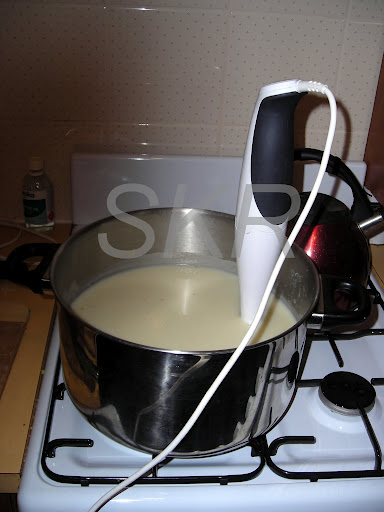 |
| Blending it with milk |
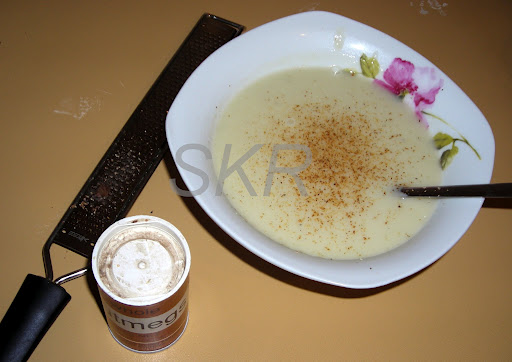
And served it with freshly grated nutmeg, my favourite! And then washed all the dishes and cleaned the kitchen too.
I am finally starting to settle in just a little bit here. The faintest glimmerings of feeling like I might be ‘home’ are appearing. Starting to cook again and getting back into my garden are big parts of that. Also, hanging my curtains and putting up my posters will make the place feel more like my own. I’ve been working on organising and unpacking and each step helps just a little bit. I have the new studio table delivered but it is phenomenally heavy and I am waiting for a strong friend to come along and help me assemble it. Then I’ll have a functioning studio space again, and I am incredibly excited about that! It’s very nice to slow my pace down a little and spend some more time on my home and hobbies.
My birthday present to myself has arrived in the mail too! New books from my favourite online store the Book Depository. A new Patricia MacKillip book, Ombira in Shadow, and the first four books of Ursula Le Guin’s Wizard of Earthsea series (I already own the fifth). Lovely, lovely. MacKillip is one of my favourite authors, her writing style is lyrical and poetic, and her plots are mythical. The Earthsea series is one of my set of core books that are re-read at least every year. Reading very quickly has many advantages, one of which is being able to read many new books and also have time to re-read old favourites. I have quite a healthy looking library of books here, although I’m confident I will need more bookshelves sometime soon, that or an e-reader. 🙂 I think this is the first time I’ve had a bit of money and a home at the same time. It’s always been one or the other, I can buy socks and fix my car but I’m transient, or all my money is going on rent. (or the vet) It’s quite novel to have a home and some money to buy things like rice cookers and tasty morsels from Hahndorf. I like it!
I experience hallucinations when I’m stressed, which is pretty common for folks like me who have Posttraumatic Stress Disorder (PTSD). Actually hallucinations are pretty common all round. Technically a symptoms of psychosis, many people experience mild hallucinations during their lifetime. Voice hearing for example is extremely common, the stats vary between one study and the next, but a ballpark figure is one in twelve kids hear voices at some point. Like dissociation, one of the simplest ways to induce hallucinations in almost anyone is to deprive them of sleep. Hallucinations can range from very mild, minor experiences – glimpsing something in your peripheral vision that turns out not to be there, thinking the radio is playing quietly but discovering you already turned it off, reaching for your phone to discover it wasn’t ringing, through to more dramatic experiences where a person might seem so real that you converse with them without realising they’re a hallucination.
Mine tend to sit in the mild to moderate range, for which I feel pretty grateful. I don’t experience delusions or disordered thoughts, so although the hallucinations can really bother me, they don’t confuse my sense of reality. I’m well aware they’re internally generated and not externally real.
So what’s it like? Well, frustrating a lot of the time. You can hallucinate in any sense you have – and contrary to popular belief we have more than five senses. We can not only hear or see, but also have the ability to sense things like air or water pressure, gravity, the location of our own body parts (this is why you can close your eyes and still touch your fingertips together), and sensations such as hunger and pain. Dissociation and hallucinations can interfere with any of our senses. A common one I get is taste hallucinations. This can make life quite difficult, particularly as I live alone. I have to be careful when I am experiencing these because it makes it hard for me to work out if food is safe to eat. Sometimes I will experience persistent tastes even though I haven’t eaten that food lately. Sometimes tastes will be oddly swapped about. I once ate marshmallows that tasted of petrol, another time hot chips tasted only of honey. Not like honey flavoured chips, but like I was eating teaspoonfuls of honey. A common one I get is food tasting intensely bitter, when it tastes perfectly fine to everyone else. When eating alone this bitter hallucination can mask real warning tastes and make it hard for me to work out when food is spoiled. I tend to err on the side of caution. When these are happening a lot I also tend to eat less, which can quickly spiral into real problems for me.
Smell is another really common one for me. At the moment when I’m stressed I smell burning. I lived in a caravan for a year and had three fires in it during that time due to electrical problems (one of them was the electrical safety switch I’d had installed catching on fire!) so there is a strong stress memory of burning. It’s impossible for me to tell when I am hallucinating the smell of burning and when it’s happening for real so I always have to check that I’ve not left a pot on the oven or anything like that. I use my other senses to help cue me in, for example if the air is not hazy and my lungs don’t feel tight, there probably isn’t any smoke in the air.
I also get a fair amount of tactile hallucinations. In my case I get body memories, that is, the remembered sensation of something that has happened in the past. One of my common ones is linked to my history of having a needle phobia. Again, when I’m stressed, this one turns up, and I can feel needles in the backs of my hands or in my elbows where I have had drips in the past. I find this sensation really unpleasant and when it gets bad I will often try to override it with other sensations, such as by slapping at the inside of my elbows or laying a warm heat pack over the back of my hands. I’m sensitive about having the backs of my hands touched because sometimes this can set these off. Tactile hallucinations also play into some minor tics I get when I’m tired, my brain gets confused and tells me that when my hands are resting palm down on my lap, that really the backs of hands are touching my lap. Because I can feel that the insides of my wrists are resting on my lap, this creates the weird sensation that my wrists are broken and my hands have been turned upside down. Flicking my hands over and back gets rid of the sensation. If I try suppressing the flicking, the sensation builds to something quite unbearable, almost like a deep itch you can’t scratch. This only turns up for me when I’m tired, I use it as an indicator to head off to bed. Or, I ignore it and tic my way through the rest of the movie. 🙂
One of the most common types of hallucinations people report is hearing things. The things I hear are all tied in to the PTSD hypervigilence issues. So for example, I can be lying in bed trying to sleep and hearing the doorbell ring. I don’t mean faintly, I can hear it very clearly ringing. It isn’t ringing, but the hallucination that it is can be so loud and persistent that I can’t get off to sleep. Alternatively the phone will ring constantly. When I’m really struggling, I can hear people in my house. I will sometimes hear an entire event – a strange car driving up the street, turning into my drive, parking. People getting out, doors slamming shut, voices talking to each other. Footsteps, crunching on gravel. Keys jangling, the door unlocking, opening, a conversation between several people. Footsteps through the house, opening cupboard doors, the fridge, moving things around, turning on a tap, coming to my door. I check these things once, then having decided they are hallucinations I do my best to ignore them. There’s no point interacting with the content for me, it means I’m really stressed and feeling really vulnerable. So I write in my journal or read or cry or call lifeline and ignore the sound of these people trekking through my house. It’s not very nice, but it’s not the end of the world either.
The most severe hallucinations I’ve ever experienced have been when I’ve been put onto medications I’m allergic to. I have a lot of allergies due to liver problems, and we’ve had to work out the hard way what I’m allergic to and what I can tolerate. I’m not on any psychiatric meds because we haven’t found anything I can tolerate that helps. Allergic reactions are absolutely horrible and make me incredibly ill with liver issues and my skin blistering and peeling off or ulcerating, and in these instances I’ve had full-blown hallucinations that were really intense and frightening. Some of my friends struggle with intense hallucinations all of the time and I have so much respect for how hard they work to function despite people around them looking like skeletons or hearing stobie poles talking to them. Life’s complicated enough as it is!
If you’re looking for more information or some great suggestions about managing experiences like these, or supporting someone else who’s struggling with this kind of thing – there’s an awesome little booklet by the Voices Collective you can print out here, and a lot more resources on their website here.
See more like this:
There is still a widespread myth that people with mental illnesses are dangerous, and psychosis especially so. The chap talking to himself at the bus stop freaks people out. What we fear is the different, the unknown, the irrationality that makes people confusing and difficult to predict. Having a mental illness myself does not make me immune to this. The first time that someone came to the voice hearer group I attend, Sound Minds, who was actively psychotic and clearly perceiving things we were not, (apart from the voices, obviously) I was spooked. I felt stressed and anxious and really unsure of how to interact with them. Fortunately, there were other people present much more experienced than I was, and I was able to learn from their excellent responses. I’ve since read a lot more and met a lot more people who experience all kinds of mental illnesses. Many of my good friends are dealing with psychosis and the whole area is a lot more familiar to me now.
The most useful thing I ever read about psychosis was about a shrink who had a miraculously calming effect on psychotic inpatients. He so was renowned for this in the hospital that the staff used to call him in for the most florid, hysterical, extreme examples of psychotic distress, only to marvel as the patients inevitably settled down and within a few minutes were conversing lucidly. His secret? He spoke to them kindly, respectfully, and as if they made sense. That was it.
It can be challenging to put ourselves in the shoes of someone who is psychotic, that is, experiencing hallucinations and/or delusions. One of the things it is difficult to appreciate is what it feels like to be perceiving things other people are not, and to be gripped by certainty about ideas and beliefs other people do not share. Attempting to communicate with other people is a terrifying, frustrating, shocking confrontation with their refusal to accept your reality. You are desperate to convince people of what they refuse to believe, and profoundly afraid that you are insane. Caught between terror and denial, you are incoherent, and people respond to you with fear, are dismissive of your perceptions, and treat you as if you are not worth engaging with. You spiral into a dark place where you are alone with your nightmares.
Having someone respond to you as if you are normal and still perfectly comprehensible reaches through that darkness. You may be caught up in an inner reality that no one else can see, but you are still human. The fear settles, and the imperative to convince other people of your beliefs is reduced when they don’t argue with you. This doesn’t stop you being psychotic, but it does mean that you can connect and engage and become more settled and lucid.
So, when I come across someone experiencing psychosis, I am not afraid of them. When they talk to people I can’t see, I ask them about them without fear or judgement. I try to have interest and compassion guide my responses. If they share about delusions that are frightening them, I am sympathetic to how distressing the situation is. I never lie about my own perceptions, if they trust me to help to reality check I certainly explain that I do not see or hear or believe what they do, but I do it pretty gently because working out that you are alone in your perceptions is pretty confronting. I simply treat them as if they are a normal person who happens to be experiencing things I am not. Most of the time this leads to increasingly coherent conversations.
The statistics clearly indicate that people with mental illnesses are no more likely to be violent than the general population. In fact, people with mental illnesses are more likely to be the victims of violence. Having a mental illness can make you more vulnerable to harm. The only indicator that has ever been shown to be reliable in predicting the likelihood of violence is previous violent behaviour. One of the most effective treatments for psychosis is the development of a close, supportive relationship with someone (therapist, partner, friend) whom the person trusts and regains the skills to reality check psychotic experiences with. That is, the two together work out what is dream and what is reality. One of the best descriptions of psychosis I have come across was by actor Alan Alda about his mother who had schizophrenia, that she was “dreaming while awake”. I’m not saying that is the science behind the experiences, but as a metaphor it works beautifully. The experiences of psychosis are often a tangle of deeply personally meaningful fears and desires mixed with the kind of random bizzareness that we are familiar with in our dreams and nightmares. There is both meaning and irrationality. Treating all the experiences as meaningful can be exhausting, confusing, and lead to delusions. Treating none of it as meaningful – which is generally the approach of mental health services that favour biological explanations, strips people of the ability to interact with the content in a useful way. Because they are dreams, they are written in the language of symbol and metaphor. People craving significance may have delusions that they are angels, come to save humanity in the end of times. A good therapist or friend will support the person to work their way through the ideas, cope with the painful crash back to earth, and find ways to meet that need for significance.
So what about the stories we hear on the news, where someone with psychosis has murdered or harmed another person? This does happen – at the same rates as all the people without mental illness murder and harm, but it certainly does happen and the incidents stick in our minds. What happened? Many things may have happened. There are some truly horrible people out there who also happen to have psychosis. Having a disability or mental illness doesn’t only happen to good people. The psychosis may have been completely irrelevant. They may not have even been psychotic at the time. In other cases, people can do terrible things when they become deeply lost in delusions. A parent who becomes deluded that their child is trying to harm them may become intensely preoccupied and distressed, and if no one intervenes, the outcome could be tragic. These cases are so deeply distressing because there is such terrible pain in having a good and caring person become so confused that they have harmed people they love.
This is very rare! Most people who experience psychosis are in no way dangerous or a risk to anyone. They are not struggling with the kind of delusions that are likely to lead to such tragic outcomes. There is also a range of degree in psychosis – in milder forms people may be having hallucinations but are able to reality check – they are completely aware that what they are seeing/hearing/feeling/smelling etc is not ‘real’. Even in more severe psychosis, most delusions are benign in that they are not of a kind to induce a violent response. Most psychotic people are either really scared and believe they are going to be hurt – they want to run, escape, or hide; or they are caught up in a complex grandiosity where they are Buddha, or Jesus, or a secret government agent, or an angel with a message of wonder for all people. These kinds of beliefs may certainly be strange to the rest of us, and interfere with daily life quite severely because when you believe you are the savour of the universe you are much too busy to worry about eating, sleeping, showering, or getting the kids to school, but they are not in any way likely to inspire violence. In fact, we have at times had a really good giggle in Sound Minds about how silly these kinds of beliefs seem when you’re no longer gripped by them.
One of my best friends experiences at times severe psychosis, and he is, even when psychotic, one of the kindest, most generous, peaceful, gentle people I have ever met. The fear and stigma that he faces breaks my heart. What has helped him work through his experiences (among many things) is having friends who accept him for who he is, who understand that at times he is caught up in his internal world, his internal reality, and who support him to work out where the internal and the external realities meet. Social support is one of the most crucial factors in the recovery and management of experiences like psychosis. When we are afraid and shun people with these experiences, we are the ones who set the stage for the possibility that some of them will become completely lost, walking labyrinths in their mind with no string to guide them home. The best way to reduce the risk of violence has always been to love. If you know someone who struggles with psychosis, don’t be afraid. Be loving, trustworthy, compassionate, and wise. You are at no greater risk of being harmed by a strange neighbour who rants at people you can’t see and wanders about barefoot in the small hours of the night than you are from your perfectly normal seeming neighbour on the other side. If you remember that and you behave that way, you are part of the work to reduce the stigma and help people with these experiences to still feel part of the human race. That can only ever be a good thing. If you’re serious about reducing the risk of violence, you will work to strengthen community and include people who experience psychosis.
A final point. Psychotic and psychopathic are frustratingly similar sounding words, and many members of the public use them interchangeably. They are descriptions of utterly different traits. Someone who is psychotic may be hallucinating, struggling with disordered thoughts (that is, all jumbled up and confused), or delusions (being convinced of things that are not logical to the rest of us). Psychopathy is not a mental illness. It is a description of a set of traits and behaviours. Psychopaths lack fear, empathy, and guilt, and therefore behave in ways that are manipulative, abusive and exploitative. To be perfectly fair, most psychopaths are not violent either, because most are capable of blending in and achieving their goals without the risk of the repercussions of violence. Despite the similar sounding names, the two conditions have absolutely nothing to do with each other.
Birthdays are tough for me, I was bullied at school and birthdays were always hard. Having my life thoroughly derailed with sickness and homelessness etc has turned birthdays into a painful time of the year when I reflect on everything that isn’t how I was hoping it would be. The last couple of weeks have been very up and down with some great times, and some major stress in a relationship, and a few really memorable meltdowns, with the underlying stress of my birthday approaching.
So it was very nice to wake up this morning feeling a bit sleep deprived but otherwise good! Happy to be alive in fact. And very nice to have phone calls and facebook messages from friends wishing me happy birthday. I have had a cup of tea and two M&M cookies for breakfast, and gone and sat on my spare bed which I have assembled in my back yard under my peppercorn tree. It is almost like having a tree house, very peaceful and a perfect nook for reading. It is really nice to be starting to feel like this is my home. 🙂
I was pretty trashed yesterday, two talks in two days was a lot of preparation work and not enough sleep. And yesterday’s talk about Dissociation was really good but also personal and exposing and I do find that very stressful. On the way home I dropped in at Coles and spent a couple of vouchers I had for groceries. Eee! It’s very exciting, I have fruit and vegetables and fresh bread and milk and chocolate and tinned soup and I also splurged and bought a rice cooker. I have bought a lot of packets of pre-cooked meals for nights when I’m too tired to cook, but they need to eaten with rice. The problem is that when I’m too tired to cook I’m also too tired to cook rice. The other night I actually managed to burn FOUR batches of rice in a row because I was too dissociative to keep an eye on it. So, I have a rice cooker now, hurrah! I am also still saving up for a bench top dishwasher. They don’t use very much water, and you can catch it to put on your garden. I figure if I can make cooking easier I will do more of it, and more cooking will hopefully mean more eating. I’ve been too anxious to eat much over the last few days which isn’t helping. After the blogging talk I spoke at on Tuesday night I was given a whole platter of leftover food! Grapes and crackers and cherry tomatoes and whatnot, yum. That’s been dinner for the last couple of nights. 🙂
So yay, made it through another year. Working hard, building a good life. I have a home and a dog and a cat and friends and art and causes I’m passionate about and today the voices are all calm for the first time in weeks. Hurrah! Many happy returns of the day. 🙂
I get asked this question from time to time, often by distressed family members after something terrible has happened to someone they care about, occasionally by concerned mental health staff wanting to better support some of the people they see in their work. It’s quite heartbreaking to witness someone’s anguish in the aftermath of trauma and one of the most common responses we have is to feel terribly helpless.
That feeling is based on the reality that we cannot change that something awful has happened. We cannot reduce the losses, take away the pain, or suffer it on their behalf. We are limited in what we can do. But we are not actually helpless. Research and experience shows over and over again that many traumatised people are equally, or even more, traumatised and distressed by the way other people react to them than they are by the original trauma. One of the most powerful examples of this I’ve come across is in Victor Frankl’s Man’s Search for Meaning. People who had survived the Nazi camps and were at last free were devastated to have so many people in their community react indifferently to their suffering. Many people’s attitude was one of denial, along the lines of ‘so what, we’ve been in a war too you know’. People who had been holding on, craving freedom and ecstatic to get out of their horrific circumstances were crushed by these attitudes.
How we respond to and support someone after trauma can have a profound impact on their lives. When I have been in serious trouble, reaching someone on Lifeline who speaks kindly to me, or having someone in my life who makes time to listen compassionately to me has helped keep my heart safe. So one of the most important things you can do when supporting someone, is to make room for that feeling of helplessness. Accept it, ignore it, and don’t let it drive you into discouragement or into trying to ‘fix’ them.
Control
What a traumatised person has lost is their control. Whatever it is that happened, they were not able to prevent it. They might have been able to escape, to fight, to react well, to protect themselves, but they couldn’t stop the situation happening in the first place -whether it was a flood, assault, or car accident. The more they were able to maintain some control in the situation, often the less challenging their recovery will be. To be made to feel utterly helpless and completely vulnerable has a profound impact on people’s sense of being in control of their own lives. Most traumatised people are very sensitive to issues around control, whether they are hypersensitive to losing it even in the smallest of ways, or whether they have collapsed into defeat and cannot summon the hope to direct any aspect of their lives.
Sensitivity to this area is really important, especially because in our zeal to help and protect someone, it is really easy to accidentally disempower them even further. We may be furious at someone who has hurt them, and insist that they take the matter to court – taking away their choice. We may start to determine what they can and can’t do, what might be too risky. It is very common for victims of sexual assault to be put under tremendous pressure to see a counsellor, by worried friends and family who do not understand that this pressure is part of the problem. Supporting the person to regain a sense of being in some control in their own lives is really important. It will help if you ask them what they want and explore options with them. It will help if you share your opinion and perspective but do not try to impose it. It will help if you continue to treat them as if they are capable of running their own life – even if you are worried about them. You cannot know the best recovery path for them. Wherever possible control should be restored to the person.
Safety
Safety is another critical area that traumatised people often struggle with. This issue is twofold – actually doing whatever needs to happen to make sure the person is safe, and also trying to support the process of regaining a sense of safety emotionally. Badly traumatised people can carry this feeling of not being safe into all areas of their lives. This can be really frustrating for you to watch, it’s easy to see how irrational some of these fears are – but the problem is that the traumatised person usually already knows this and feels stressed and humiliated by it. A good rule of thumb is that whatever can be adapted to easily, just do it. As quickly as you can support them to regain some sense of safety somewhere in their lives will help to settle the intense anxiety and the irrational fears.
It’s very important to try and be a safe person for them to be around. This doesn’t mean always getting it right – that is completely impossible. What it does mean is accepting that sometimes you will get it completely wrong – and being okay with acknowledging that. So if they say ‘It’s really not helpful when you do x’, you can go ‘sure, I’ll stop’ instead of launching into 300 brilliant reasons why you thought x was a good thing to do and why any sane person would have appreciated it. It’s also helpful to keep in mind that sometimes there is no right answer. The person is just stressed out and overwhelmed and not coping, and anything you do will be wrong. Don’t sign up for abuse about this, but don’t rake yourself over the coals for it either. As the stress and intensity settle down this should be less of an issue.
Another big part of being a safe person is not putting pressure on them to recover. Victims of assault for example, may find their partners deeply frustrated with their changed needs, feelings and behaviour, and constantly asking when they are going to be ‘back to normal’. Other people desperately need to move on and feel normal again and are under pressure from well meaning friends to open up and talk about it all. This brings me to the next critical area:
Balance
People who have been traumatised often express intense ambivalence. There are many double binds where they feel conflicting needs very strongly such as I want to talk about/I never want to talk about it. It can be very difficult to find a balance between the need to honour the events of the past, to speak about it, feel heard and validated, and have it recognised; and the need to escape it, to move on from it, to connect to the present moment and plan for the future. Different people have different needs and gravitate towards or away from their trauma at different times. Often from outside, we can perceive the lack of balance in their response. We are concerned by obsessive reliving of the event, or anxious about their intense avoidance of it. We can try to intervene and restore balance by pulling the person back in the other direction, but often this is merely perceived as an attempt to control. I would recommend instead trying to support the person and trust their own instincts about what they need and when they need it. When they have met one need, they will naturally swing towards the other. No one goes through this on some kind of ‘perfect’ arc, struggling to process trauma in an unbalanced way is the norm. Over time and with work and love, these things settle down. Be guided by their instincts, and never, ever forget, just how powerful it is to feel heard. When all else fails, or if you’re not sure what to do, your default stance is to listen compassionately. Sometimes the less you say or try to do, the less you fix, rescue, hover and fret, and the more you just hear the person, the better.
Another really important area around balance is to be aware of the changes that trauma makes to your relationship. It can temporarily shift you both into a carer/caree dynamic. This kind of dynamic is very powerful, to set aside your needs and make sacrifices to support and nurture another person is an incredible demonstration of love. But the unbalanced nature of this relationship, where you give care and they need care, can also cause problems. Healthy relationships are very fluid, there is a constant exchange of roles between who listens and talks, who sacrifices, who nurtures, who protects, who advises. This mutuality is a key to trust, respect, and mutual contentment. The carer dynamic can undermine that. I advise you to wear the roles lightly. Look for opportunities to share your vulnerabilities too, to allow them to support you as they are able to. If you can remember that the person is far more than their trauma, you will help them to remember that also. The natural response of relationships to trauma and intensity is to polarise into opposite, rigid roles. This is stifling and destructive, so be aware of it and encourage natural growth back towards mutuality.
Looking after yourself
Lastly, it is really important to recognise that when someone you care about is hurt, you are hurt too. You also need care and support and to take care of yourself. You may find yourself feeding off their anxiety and dissociation, feeling chronically irritable, frustrated, or depressed. Debriefing can be very helpful – if the person you care about is sharing deeply personal information with you, you can become very stressed by the need to keep secret things that are really upsetting you. In this instance confidential counselling of some kind can be really helpful. A sense of humor can also help to reduce the impact of trauma, breaking tension and relieving stress. Sometimes there is nothing better in the world someone can offer me than to come round and watch some Monty Python. 🙂
I hope there’s a few suggestions in there that are useful to you. In a nutshell I would suggest that you listen a lot, be guided by what they ask for and want, and hang in there. Research consistently shows that social support is one of the biggest factors in how resilient people are to the effects of trauma. Your care and sensitivity can make a tremendous difference.
To see these ideas in action in a personal case study, please read 5 hours after an an assault.
More suggestions for starting your own blog.
I started a new test blog to show people each step of the process. Somewhere in all of that I changed this blog template to this fancy shmancy new setup called ‘Dynamic Views’ which basically gives you, the reader, the ability to change how the blog is presented to one of a number of different options depending on what you like. (see the top left) You’re supposed to be able to easily revert this process but that button isn’t working at the moment, so welcome to my new blog template, at least for now! I think I prefer the little flipcards to the old format, this way it’s much easier to glance over old posts and work out what you may be interested in. It also loads more quickly which is a nice bonus. And it reacts to the ‘Ctrl +’ keys that normally zoom in on the net – in this case the page rearranges to make the flipcards and all the font sizes larger!
All the information that used to be on the left hand side here, like the archive, the followers, the topics etc – these are all in a little fold out menu on the right hand side now. Just hover the mouse cursor over the dark tab and the options will appear. Feel free to tell me if this is a pain in the neck.
Righto. Life has been very busy lately. There have been a few meltdowns, various stressful things happening I won’t talk about here that are taking some effort to manage. I’m completely nocturnal and bouncing between much needed time off, more work on my house/yard/studio/kitchen etc. a number of art commissions banking up a bit (yay!), and working on mental health stuff/Dissociative Initiative things. I had been thinking that maybe next semester when a lot of my study has finished I could take up a number of additional classes in Art and bump up to part time in the bachelor degree, but considering how run down I’m feeling after this mad start to the year, I’ve been rethinking that plan a bit. After this semester I could do with some more ‘walking the dog’ time. I need to make it a habit to have at least one day off a week and spend some more time on stress reduction things – poetry, reading, inks, camping, cooking, gardening, or my head is going to fall off.
There are some exciting new developments happening in both the peer work side of things as I keep working on Dissociative Initiative resources – we have a facebook page now! Feel welcome to join us at The Dissociative Initiative Open Page but please be aware that like this blog, everything there is public and visible to anyone on the internet. It’s a trial run to see how it works, open for anyone with an interest in dissociation – personal, professional, whatever. It is not a venue for hostility or abuse and anyone behaving disrespectfully will be removed.
I seem to be adept at making work for myself. :S
There are also some new exciting projects happening in the art field, I am working on producing my first art prints of ink paintings, ideally available for sale much cheaper than the originals. I am also working on publishing my first art booklets based on various talks I have given. Very exciting! I need a good few weeks clear to really make progress on these big new projects. Perfect weather for this. 🙂 I’ve also bought a new table for my studio second hand from eBay, it’s arriving tomorrow. I’m very excited!! Pictures to follow. Double the table room! Eeeee! I am a very fortunate person. 🙂
My days are bordered with a fitful melancholy
That sulks and skulks like shadows briefly banished by the sun
How I resent the shackles of my own bed, the limits of my endurance
How I loathe the winding down of the day; I will not die with dignity
But go shrieking, like a child to the little death
That signs the ending of the day, seals it into the past, incomplete, imperfect
And unfinishable.
Vanity, all these vanities I have kept in my bedroom
To fly about the beams. I am mortal walking dust;
I am the shape of a poem in the sand between the last wave and the next
That is all: who am I to glower at the going down of the sun?
Can I prevent the moments from passing with my hissing fury?
Can I paste the leaves back on the trees? But truly: it is only this;
The child who weeps because the party always ends.
The lights go out, the flowers fade, the friends drift
And at the end of every day I go alone to bed,
To lie silent in the dark and breathe my futile dreams
Into the empty night.
Like death; this is a truth I can rely on.
This is the basest foundation of my life, the skeleton
Upon which the flesh of days hangs, and by which my hopes are framed.
Alas, alas, all is futility; there is nothing new under the sun.
Alas, alas, to bed we go, like dying clockwork, like flowers folding down,
We are the ending of a song, whose last notes
Haunts the long drive home,
That makes you sit within the car and refuse the simple truth
Of home, and darkness, and stars that go on singing, long after you are gone.
To bed, to bed.



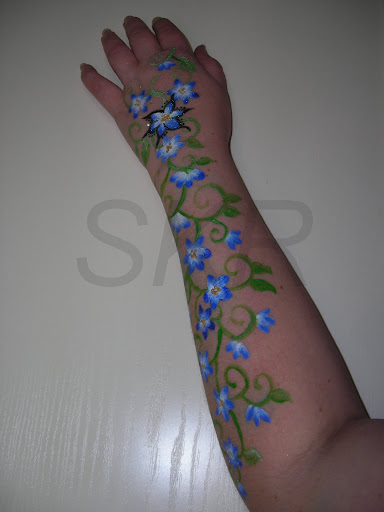 |
| Double loading the brush to get two toned flowers |

 |
| This one matched a tattoo elsewhere on the lady |
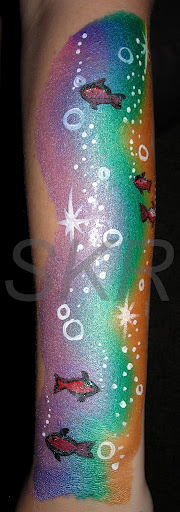 |
| Request for a ‘rainbow waterfall with fish’ |
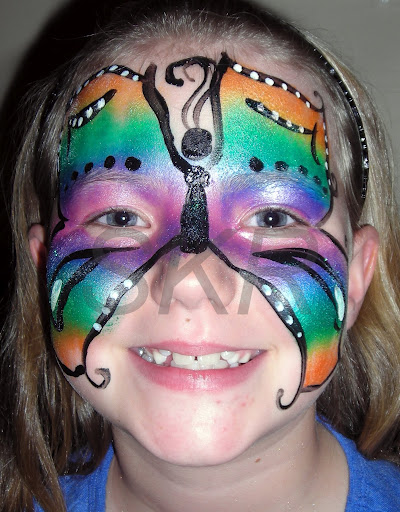 |
| Ever popular rainbow butterfly – my brushes are old and letting me down here. Terrible stroke work!! Gorgeous pearl rainbow colours though, shimmery! |
 |
| Puppy dog – couldn’t believe how well the gold matched her skin. I’ve just bought a bronze pearl cake that will work much better for this look. |
 |
| Unicorn. I admit it, I’m not so hot with horses. I will be practising! |
 |
| ‘Half skeleton, half blue wind fairy’ Works surprisingly well, especially with the pearl white background |
 |
| Then things got really tricky… 🙂 |
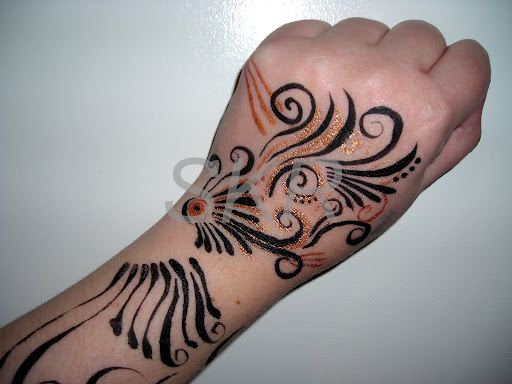 |
| Bought some new quality brushes today – much better stroke technique here. |
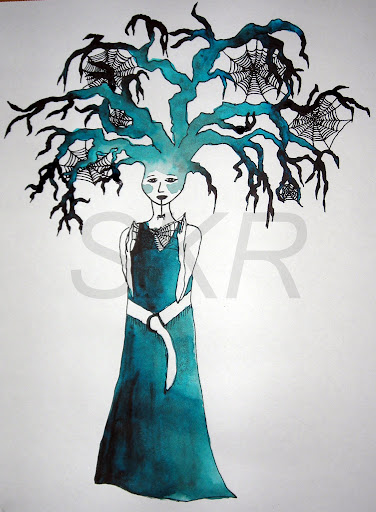 |
| The Weaver |

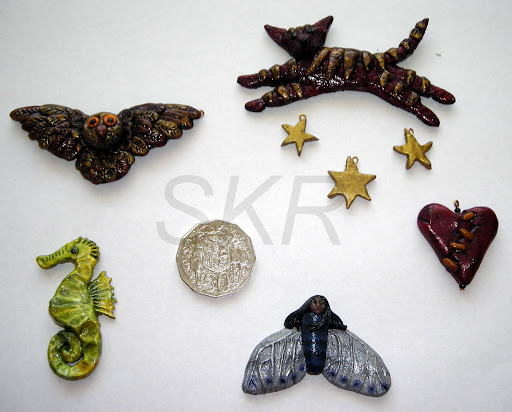
Here’s some close ups:
 |
| Flying owl |
 |
| Leaping cat |
 |
| Broken heart |
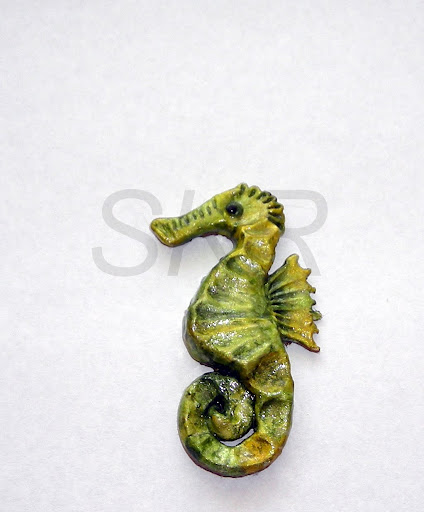 |
| Sea horse |
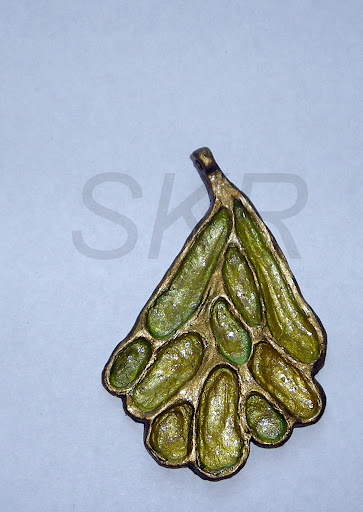 |
| Golden leaf |
 |
| Papoose |
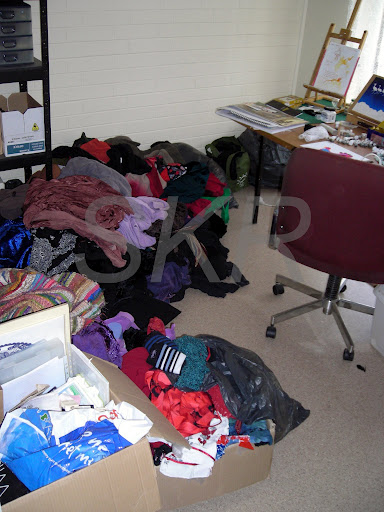
I wanted to sort things out properly, not just rearrange them out the way so I still wouldn’t be able to find anything. I like to box up different supplies and tools in shoe boxes and tins. This keeps everything related together, helps to stop me losing small items, and makes it easy to stack, locate, and lift the boxes. It does however take a lot longer when you’re still setting up. Today I got in my second shelf which is great and will get a lot of gear off the floor:

I’m using the built-in wardrobe are to stash more supplies, particularly those that are sensitive to light exposure such as rubber stamps and paint:

Labels!

Paints!

I sorted and hung clothes until I ran out of coathangers. How does one lose coathangers when moving? I am mystified.

I’ve also got in a cabinet for the dining room area. This gets all my linen off the floor and will look a bit better once I’ve put all the doors back on it. 🙂

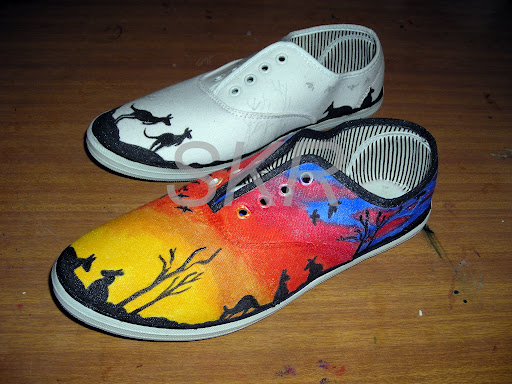
So the upshot of all this is that I’ve found all my brushes, my fabric paints, and I’ve washed and dried two new pairs of shoes that have been ordered to be painted, ready to go. I can now walk into my studio without falling over which is pretty awesome and I’m looking forward to getting down to making some more art. Happy. 🙂
As my health started to improve, I began to make things again, but no longer art. I couldn’t handle the severe internal criticism whenever I tried to make something of my own design, so I kept my hands busy with crafts. I also employed my creativity in an attempt to strengthen my social network. So, I didn’t paint or sculpt any more, I spent hours making birthday cards for friends. I made cross stitch where I worked with someone else’s design, and got into stamping and embossing. I learned ribbon, wool, and bead embroidery and made gifts.
A few years ago I decided to concentrate on the blocks that were stopping me from making art. I didn’t want to give away my creativity and use it to try and stay connected to friends any more, I wanted to use it to say the things that I had in my heart, and to work on becoming a professional artist. I felt like I’d allowed my voice to be taken away from me and I wanted to take it back.
Don’t get me wrong here, there’s a popular culture hierarchy that goes something like this: crafts on the bottom, then ‘low arts’, then ‘high arts’. So an oil paint is deemed to be more high art than a street performance or a loom worked tapestry, which is deemed to be better than a cross stitch project or a leather worked belt. That’s all rubbish as far as I’m concerned, the skills needed to make a knife, handle inks, sew a dress, or sculpt a face are all significant! I love and spent time on various pursuits considered crafts, and on others generally badged as arts simply because I enjoy being creative and making things with my hands. I found crafts easier to get back into than arts simply because crafts are often about skill with your hands and the material, but not so much the deeply personal aspect of designing artwork. Simply put, there was less of my own heart and soul in the crafts.
I moved back into art in small steps. Having made many crafts, I started to design my own craftwork, such as beaded earrings. This was actually really hard to do, my perfectionism was out of control and my inner critic absolutely savage. I would bead some gorgeous earrings at night and feel really excited about them, but when I looked at them the next morning I would be disgusted and filled with self contempt for my efforts. It took tremendous self control not to destroy my own work or throw away my supplies. On bad days I would have to hide it all out of sight to reduce the temptation.
A lack of self worth also crippled me, I felt like nothing I could make would possibly be good enough or of any interest to anyone else. It felt like arrogance and pretentiousness to presume to make anything.
Another huge stumbling block was attitudes about art I had taken in from some other people, that only photo-realism counted as real art, that art was pointless and meaningless and a waste of time, that if I had the energy to make art I should be out in the real world doing something useful. All art is self-indulgent navel gazing. Tied into all of that was the idea that if I’m going to be on disability support and be a drain to society, the least I can do is be deeply unhappy and unfulfilled.
This all took a bit of working through! I moved as fast as I could without causing major problems – this was actually pretty slow. Lots of small steps. When I started painting again, I got into ink paintings. I had a lovely fountain pen I used to write in my journal with, so the jump between writing poems with it and drawing shapes with it wasn’t too much. I fought perfectionism and watched docos about other artists, noticing how near-universal many of my issues were. Most artists think their own work isn’t so good, struggle with self esteem, feel intimidated by other artists etc. I started to fight back hard with my inner critic, tearing their assessments and philosophy to pieces. I also started to mimic them in silly voices to undermine their place of authority in my life. I decided that the role of an inner critic is to protect us from putting ourselves out there in a way that makes us vulnerable to external criticism, and to inspire us to produce work to the best quality. I tore my inner critic to pieces and reassembled it in a more constructive way. This was really hard work. There were a lot of days when I sat at a blank canvas for hours and dragged myself away in tears.
I also bolstered myself by keeping art around me. I bought a table easel and kept it on display all the time. It made me feel happy just to look at it, inspired joy in me instead of cringing. I started to feel like an artist again, the way I did back in my school days. I also kept a visual art diary by my bed with my journal. I noticed that when an idea came to me, my visual art side had started to wake up. Sometimes the idea would clearly be a story or a poem, sometimes now it was an image to be painted or sewn or sculptured. Sometimes it would flicker back and forth between words and image, finding a home somewhere. Sometimes I will make the same form in many different ways before I find the medium it is really supposed to be. With practice, this all became easier, like muscles getting stronger.
I started to display my creations more, wear my jewellery, hang my pictures, enter exhibitions. I bought art supplies even when I was too knotted up to use them, because the fact of having spent money on them would help me win the psychological battle to actually make some art. I worked out who the voices of my inner critic were in my life and to tackle them directly in my mind. I would sit at my art desk and visualise evicting that person from my house, locking the door on them, and denying them the right to decide how I spent my time or what sort of art I made.
I deliberately forced myself to confront stupid values that had become lodged in me. I would make myself finger paint when I got stuck with ideas about realism. I surrounded myself with imperfect objects and images that reminded me to experiment and be creative. I got away from the idea that everything I make must be to the very highest world-class standard and got drawn back into the fun of the process, of experimenting and having most of it come out weird or completely different from my expectations. I started to make peace with the aspects of my own art that I hated most – in my case one of these was my very childish representations of people and the world. I turned these into aspects of my own signature and deliberately painted in this strange childlike perspective and found that there was something in it I really liked. I let go of the idea that a work had to look like what I saw in my mind and grabbed hold of the idea that what I most wanted was for it to feel the way I felt about what I saw in my mind. I decided that the rule I’d learned “You have to learn what the rules are before you can break them” was stupid. Suddenly my manifold limitations weren’t stopping me anymore, it was pretty irrelevant how well I could mix colour or handle paint or how cheap my brushes and paper were. I could bypass all of that and make something that made me feel something.
An audience remains an aside to my own art practice. It’s lovely when someone else is moved by my work, but I don’t make them for other people. Like my poems, some will probably never be shared. Through art I share a little of my inner landscape, how I see and experience the world. I once spoke with someone who felt that art was not really art until there was an audience. I disagreed. Art that remains shut in my books and tucked away safely is still art. It does what I needed it to do, whether anyone else ever sees it, or not. And it turns out some people like my art, like to buy these little windows into my head and look at the world through my eyes for a moment. Which is wonderful, because other people seeing me as an artist has also helped me to claim that identity for myself and to find pride and joy in it. Making art is one of the things that keeps me well, that gives me a voice and connects me to my own heart. It is a way of being alive that nourishes me and gives me strength.
The other thing that really excites me about the professional quality cakes is the split cakes – where more than one colour is put in the same cake. This makes it really easy to load several colours at once onto a sponge or brush. Speed is of the essence when your canvas wriggles about! I would previously get a rainbow by painting all of the rainbow colours one by one onto my sponge. Now I can gently wipe my sponge across my new rainbow cake and viola!
I’ve been doing quite a bit of research online about the next brand of facepaint that would suit my circumstances best and is available locally. It’s a pain if you have a few parties in a week and run out of a colour part way through and have to order a replacement from overseas. I was very happy with the reviews for TAG, particularly the quality of the pearl/metallic colours (whee!) and the way it handles in hot weather. It is also available locally at Kool 4 Kats on Unley Rd. I read through all the products online and worked out my wishlist to make me keep to a budget in store. Then I went in on Friday and the owner kindly demonstrated some of the products for me! So, this is what I came home with:
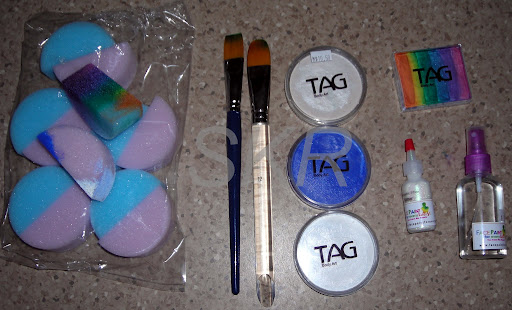
Left to right, those are half moon sponges, two new large brushes (a flat and a filbert), a regular white, regular royal blue, and pearl white (which when mixed with any other regular colour will make it pearl), a pearl rainbow split cake, glitter puff, and water bottle. See what fun I can get up to when I’m not giving all my money to the vet!
Here’s my new pearl rainbow split cake!! As you can see, the new half moon sponges are the perfect size for them. Imagine how much quicker it is for me to load all of those colours instead of the way I was doing it, by painting each of them onto the sponge with a brush!

And this was my existing face painting collection:

So I’ve been having a ball learning how my new products work and how much water to use to activate the cakes. I’m stoked by the pearl colours, they’ll give me a great deal more versatility in my designs and the new glitter is a puff glitter – there’s no glue in it, it sticks to the wet paint directly instead. That means less ‘paint’ feel on the skin, and as a bonus the glitter takes on the colour of the paint beneath it, which is awesome! Here’s some designs I painted quickly today:

Started with rainbows! Then went on to a shark:

And then a fish:
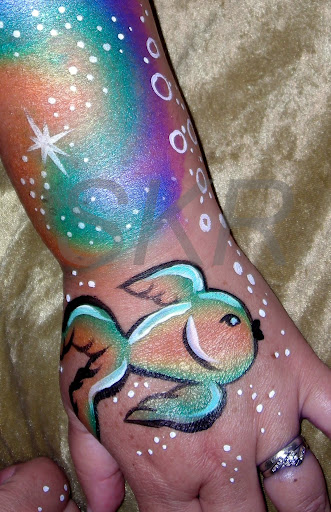
These are fast and the pearl colours are gorgeous! Really enjoyed myself, can’t wait to do more!
Here’s some pics, these are my creations and journal for the term:
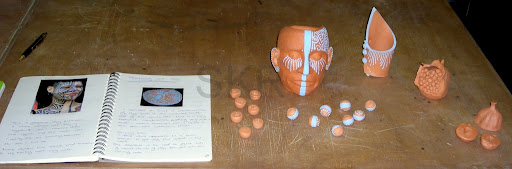
The Dreamer with the dream beads – these go into his head and can be shaken up and then tipped out like throwing dice or casting bones. The little beads all have a stamp of a shape that can then be used to tell a story.
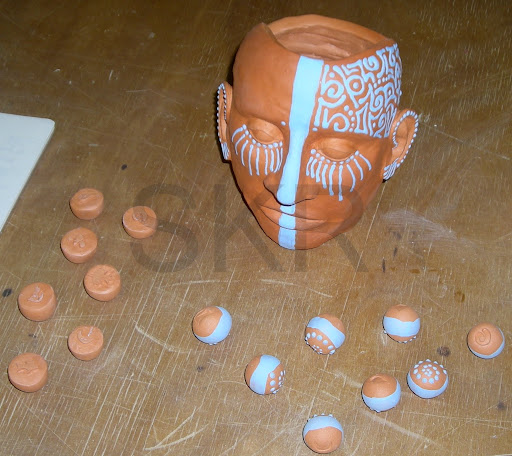
If you missed the development and you’d see my ceramics work in progress, have a look at these:
1. Ceramics
2. First Ceramics Creations
3. Ceramics class is going well
4. Ceramics creations
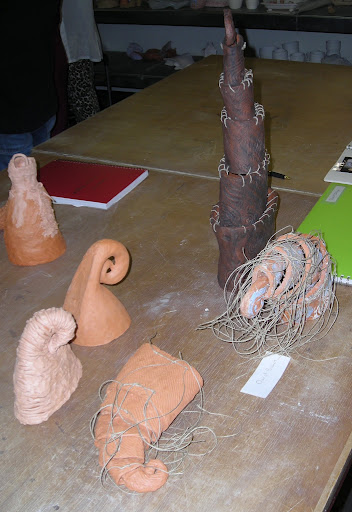
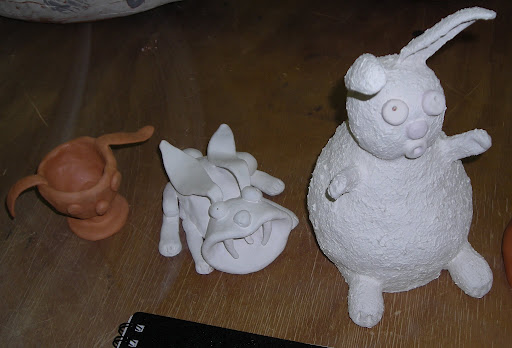
There was an incredible quality of work produced in this class. Unfortunately I ran out of battery so I wasn’t able to take all the pictures I wanted to, but here are some amazing examples of other student’s work. This one shows a really development of idea from the first hand built efforts to complex slab structures woven together with twine:
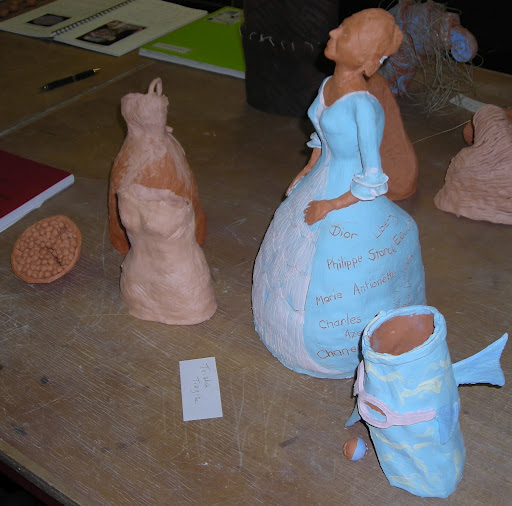
A passion for fashion developed into a gorgeous French woman here:
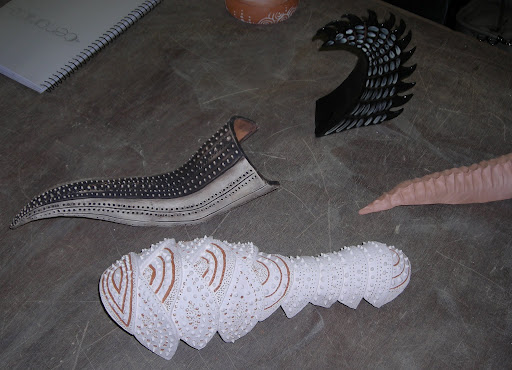
Originally inspired by animal horns, this student explored glazes, slip and oxides to produce a set of gorgeous shapes:
Loved the crazy bunnies! Several students in the class clearly have amazing modelling skills:
If you are interested in ceramics and coloured glazes, you may also enjoy the following links I found when I was searching for inspiration on youtube:
http://www.youtube.com/watch?v=EK2lDnpjLSE&feature=fvwrel
http://www.youtube.com/watch?v=pSd20rLfME8&feature=endscreen&NR=1
http://www.youtube.com/watch?feature=endscreen&NR=1&v=O5G_e3rPXVU
I had a wonderful time in this class. The new class next term is sculpture fundamentals which I’m also really looking forward to and expecting to enjoy. But first, some time off! I need to work on my own studio, it’s a chaotic mess and that’s not doing good things to my brain. Happy Easter everyone. 🙂
Bridges is not on this Friday as Mifsa will be closed due to the public holiday. More information here.
This Tuesday there is a free workshop I’ll be attending about Vicarious Traumatisation (this is the stress and distress that being exposed to other people’s stories and bad experiences can cause you).
Coming up later this month Cary and I will be giving a free talk about Managing Dissociation at Mifsa.
I’ve just discovered that the Voice Hearer’s Network is offering free support packs to individual voice hearers or larger packs for groups of voice hearers. I will be asking for a pack for Sound Minds, the group I help facilitate. If you hear voices and don’t have a group nearby, you can ask them for a resource pack here.
I have finally downloaded and installed the Adobe Creative Suite with In Design! Now that the Tafe holidays are here I am very excited about learning to use this software and starting to lay out my very first booklet for publication!! At last!
I am also entering the ninth month of this blog, and I am very pleased with well it has progressed. I have passed the 11,000 pageviews mark and have really enjoyed the discipline of writing a post every day. I have also written more than 60,000 words in mental health articles alone, which makes me feel a lot more confident about tackling postgraduate work, or writing a book. Don’t forget about the Blogging Workshop coming up, I’ll show you how to start your own blog and share some tips.
A couple of folks and myself are going to be interviewed by Peter Goers about this Blogging Workshop on ABC Radio Monday evening the 9th of April. I’m a little nervous because he seems a bit intimidating but I figure he’ll have to be nice to me or I’ll cry on his show. 🙂
Details for all these events are at What’s On!
I have a little theory about being in love I thought I’d share. Being in love is one of the most enjoyable experiences we ever have. The intense attachment and bonding we have with our children parallels many of the same processes, but usually through a haze of sleep deprivation and nappy changes. Watching people who are in love is often to gain insight into sides of themselves they don’t usually show. They are lit up, dazzled by their beloved, hopeful, childlike, full of joy, deeply content. When I have been in love I have experienced some of the happiest times of my life.
Leaving aside complicating factors – infatuation, limerence, obsession, conflict, and denial, I think many of the feelings of wellbeing and joy we experience when we are in love come down to three things:
Deepening a connection with someone often meets unspoken and unacknowledged emotional needs. Our culture esteems romantic love above all our other relationships, writes endless songs about it and the loss of it. Frequently we are given the impression that finding ‘the one’ is all we need to be happy in life. This relationship will have the most closeness, depth, connection, and be the most deeply bonded. Moreover, this relationship is all we need. Speaking as someone who has been very contentedly single for a number of years now, this idea is ridiculous. So many other relationships in our lives offer the opportunity for depth, loyalty, affection, security, and connection. That’s not to say that your lover isn’t a very special person in your life, but that a romantic relationship is not the only opportunity for closeness.
The validation aspect of being in love is incredibly heady. They like you! They agree with you, find your opinions interesting, your body attractive, your thoughts insightful. You lavish each other with praise, compliments, empathic listening, attention to tiny nuances of feelings and behaviours. Suddenly, the way you rub your mouth when you’re nervous is cute, your muscles are gorgeous, your eyes magnificent. To have someone you admire, admire you is incredible. You create a positive feedback loop of support, validation, and affection. Once again, this isn’t restricted to romantic relationships. Good friendships, close family relationships, the adoration of small children can all provide this.
Lastly, romance. This is the aspect I’m most interested in. In our culture we have taken a whole bunch of behaviours and grouped them together in this idea called romance. We have then restricted these behaviours to courtship. My theory is that part of the reason we feel so good when we’re in love, is because this is the only time in our lives we are usually being romantic (and romanced). The kinds of things we do; walking on the beach, watching sunsets, writing poetry, expressing deep and intimate thoughts, stargazing, making love, thinking about our future with hope, going out for good meals, these are all things that feed our soul. We spend a lot of our lives soul-starved, and we mistakenly think we need another person to feed our soul. I’d like to suggest that we don’t! I think we have this all backwards.
We think that you go watch sunsets, write poems, and walk in the rain when you are inspired.
I think that when we go watch sunsets, write poems, and walk in the rain, we become inspired.
You do not need a partner to be a romantic. I keep my soul alive by ignoring our silly conventions and doing those things that nurture and sustain my inspiration. Long ago I decided that for me, inspiration is the opposite of illness. I am most ‘well’ when I am doing those things that feed my own soul. I am contentedly single because I am not waiting for a partner to waken up my soul. I experience much of the intense joy of being in love through my other friendships and relationships, and through being a romantic myself. I romance my own soul, light my candles, burn my own incense, turn cartwheels in the rain, stargaze, write poems, blow bubbles, and walk with the world with wonder and delight. I am in love already. My heart drinks the night.
So, if you are soul starved, heartsick, lonely, and lost in grey ash, start taking care of your soul. Write your deepest desires, find the places that move you and be still within them. Dance, or sing, or lay beneath stars, or watch fire and smell smoke on your skin. The world is full of sensual delight and incredible beauty, it is only that we, through foolish consensus have decided not to notice.
And if you are in love, recognise the power of romance. It isn’t silly to still go on dates, to buy flowers, walk hand in hand, light candles, drink fine wine together. Feeding your souls will keep you nourished and nurtured, not drawing from each other like wells that run dry, but soaking up the miracle of life around you and having abundance in your hearts.
Just a thought from a poet. 🙂
These principles are demonstrated through practices such as
I am delighted by this model! I have had some very unsuccessful arguments with various services over the years about these concepts but lacked a model to refer to specifically. I often encounter myths such as “very few people with mental illnesses have experienced trauma” (by far the opposite is true, the majority of people in the mental health system have experienced trauma or abuse).
I am particularly taken with how well this TIC model dovetails with the values and principles of the Recovery model. One of the things I have also been trying to communicate is that TIC is not inappropriate for the untraumatised! It is helpful for everyone to be treated with respect, given choice, and supported to exercise control over their own life. People who have experienced trauma tend to have extra sensitivities in areas such as control, proximity and touch, confinement, new people and environments, and trust.
Certainly in the areas I’m involved in as a Peer Worker it is crucial that services are trauma-informed. I am really pleased that Bridges has been operating from TIC principles and I’m keen to do more reading in this area and make sure that all Dissociative Initiative resources and services operate in this way.
For more information about TIC, here is a lovely talk by Dr Warrick Middleton, an Australian psychiatrist and the Director of the Trauma and Dissociation Unit at Belmont Hospital in Queensland. I love his approach to trauma, dissociation, and borderline personality disorder, incredibly respectful! The talk is in three parts:
Adult Survivors of Child Abuse (ASCA) have a wonderful page full of resources about TIC here.
There is a government training powerpoint about TIC that is nice and easy to read here.
This document is much more dense, but I particularly like the distinction between Trauma Informed Care and Trauma Specific Services on page 15.
There is a brief clear overview of the need for TIC in this newsletter.
Here is a brief video about TIC particularly with children.
I’m very excited by this area. Today’s Tafe lecture was wrapped up by sharing about Recovery and asking everyone in the class to create something that represented recovery for them. Here is my rainbow bird, made out of sheets of felt:
The rainbow bird for me represents wholeness, diversity, community, creativity and joy. All the colours are distinct but together form a whole, complementing each other. This resembles my dear friendships with such diverse people who nevertheless all contribute so much to my life and together create a community. The tail feathers resemble tears because for me, grief and pain are intrinsically linked to my experiences of joy and wholeness. They are not forgotten and not hidden, but instead are part of the beauty and authenticity of the whole person. The brightness of the colours and the rainbow represents creativity, expressiveness, imagination, dreaming, and joy; each of which have been essential components of my own recovery.
 Sarah K Reece