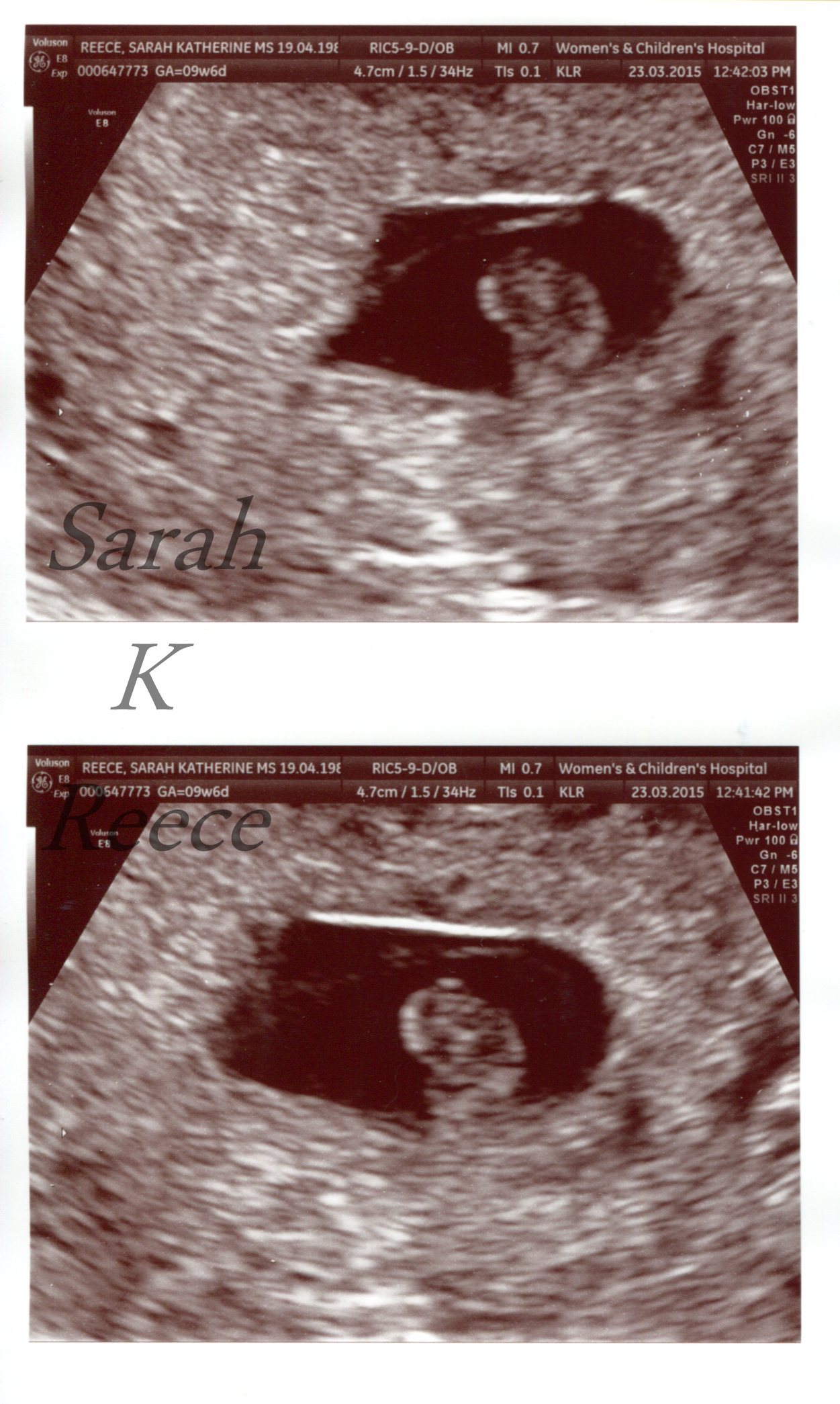
We are going to arrange Tamlorn‘s cremation tomorrow. I have been gathering the poems and sharings from other people, but finding myself wordless. It was very hard to find some way to say what I needed to. In the end, I wrote this poem. All will be burned to ashes with Tamlorn’s tiny body.
Whenever I try to find A way to say goodbye There’s no words in me No poems or flowers that can speak for me Just a scream rising up inside If I let it loose, the sound would break the world.
I don’t know how to say goodbye. I can’t bear this. I can’t bear to face you And I can’t bear that life goes on without you Everything is wreathed in pain.
Are you there? I don’t know if you are there. I don’t know where you came from I don’t know if there is any spirit left After your heart wound down. I can’t, with all my agony, pierce the veil I can’t find absolution I can’t find certainty I can’t find hope.
My abdomen has deflated like a soft balloon My breasts sag gently onto my chest My body remembers you, little one. I loved you so very much and I’m not sure that you knew that.
There’s a pain in me that nothing stops. There’s a terror in me that nothing eases. I feel like running, screaming through the streets Naked, tearing out my hair, like a madwoman Screeching “We’re all dying! We’ve so little time!” The end is coming for us all.
I felt you once, so near, flesh of my flesh Now I do not feel you at all. I cannot hear anything over the harsh sound of my breath Over the frantic beating of my heart Life is brief and it is taken from us I can’t find meaning in this.
Who were we, I think, to love you so dearly? Unknown, unmet, undeserving When the world is full of loneliness and death When so many children grow without love My hypocrisy chokes me I am ashamed.
I wish I knew you and I’m glad I didn’t know you. I think about babies dead at birth, or 3 months, or 2 years Dead at 8, or 16, or 27 – it’s unbearable. I keep dreaming my mother dies. I keep dreaming of losing everyone. And in the meantime, try not to tear my life apart Cutting strings with my sharp pain The brutal arithmetic of loss, the restlessness The need to run, to make a mark, to change something Here in this little life. To make it mean something That I lived, when you did not. To atone.
I loved you, and it was not enough. I do not deserve life, as you did not deserve to die. I can’t make it right. I’m just here, wordless, choked Terror, and loss, and love Empty hands and heart screaming This is what is left of love, little one This silence that has a scream beneath it These empty hands, this empty womb, my breast folded soft against my skin. This is love seen at night, love on the cliff at the edge of the void and it’s unrecognisable It’s sharp as knives and burns like poison and there’s no comforting me It tears my dress and pulls out my hair and runs blood down the inside of my legs This is love in the shadow of your loss, Tamlorn It’s a mad and terrible thing It’s a death, of a kind, a kind of despair The keening howl of a wolf returning, who finds the den destroyed There are no words here, no peace This is love, my love This is how mothers say goodbye.
I am offering a talk in May to share my personal experiences of psychosis and suggest options and resources for people to draw on. So often in mental health we are simply lamenting the lack of funds and resources, especially for those in the country. I want to talk about a situation that is usually an acute crisis needing inpatient treatment and help people create tools to manage safely at home as much as possible. There will be resources to take home and an opportunity to ask questions at the end or privately via email.
This talk is suitable for people with lived experience of psychosis, as well as friends and family, and mental health staff working to maximise supports with limited resources. If you find it useful, I am happy to discuss delivering an appropriate version of this talk to your group or organisation.
For so many people, psychotic episodes are profoundly destructive. Recovery is often a complex process of grieving and repairing damage done to relationships, career, and stable life choices. Sarah is an artist, writer and peer worker who considers herself very fortunate to have already been familiar with diverse approaches to psychosis when she had her first episode. She’s navigated psychosis and prodromal phases successfully at home with peer support, without meds, and without the kind of widespread destruction so commonly part of these experiences. Sarah is a prolific blogger who shares art and writing throughout her episodes. Come and learn about the ideas that have informed her approach, and have the rare chance to hear an articulate, intimate account of psychosis from the inside.
This is a FREE forum at
Mifsa – The Mental Illness Fellowship of SA
5 Cooke Terrace, Wayville SA
1.30 – 3pm
Wednesday, May 27th
It was everything, beautiful, painful, resting, freeing. I don’t want to be home yet. My life doesn’t feel like mine. This coming week I have a massive list of college homework due, a network board meeting, a cremation, and our engagement party.
Still admin. Bank, welfare, public housing, all causing major issues. Promising to call back and never calling back. I am full of a kind of horror about having to try and deal with them again.
The days are very long when I’m free of my routines. They are full of nooks and little opportunities for happiness, a book, a bit of writing, an artwork, a bath. I wish I felt more free, less compulsive, less crowded.
I’m home again. I’ll look for small ways to be more free. Or we’ll run again. Even counting up the cost of nice meals and a beautiful place to stay with a spa bath, the whole week cost less than a night in psych hospital would,and did a lot more for us both. Breaking the routines helps.
Rose has arranged a few days away for us both as a birthday gift. We’re running away from home, but we’re packing all our vulnerabilities, the broken bits of heart into our suitcase. Bringing all the demons along, the way it feels like I can’t quite catch my breath all the time. Bringing the nightmares, the portal into darkness and loss, waking with the memory of rope tight on my wrists, the burning lights of his touch in my skin. Bringing the dreams where I try to make things work out, dreaming the same dream a hundred times and no matter what I try it all ends in loss. Bringing the pain in the lines around my mouth and the futility in my hands at rest. I’m running away from the days that flip from good to dangerously bad without warning, from nights where I only go to sleep after checking with my love if she’ll be safe in the darkness. I’m running from the split in my world: it’s a beautiful day/I’m dying inside: because they’re both deeply true and tearing my heart apart. I’m running away from feeling so good, so loved, so blessed that I’m holding myself back from lying my head in friends laps and crying with joy. I’m running away from biting down on the scream in my chest because there’s nowhere in my world that could bear that kind of pain without catching fire. Running from the house full of tender soft baby things. I’m taking the self hate with me, sewn into every inch of my skin. Running somewhere with wide open skies and deep black nights, somewhere my heart can swell to its true size, feel all the love and all the pain without waking the street.
I’ve been very sad today. It’s three weeks after the miscarriage surgery today. I feel heavy and tired and dazed. Plodding along in my own little world at my own tired pace while life moves on around me.
There’s been a lot of things to manage and arranging Tamlorn’s cremation keeps getting pushed back. I have a folder of beautiful and touching contributions by other people. I’m still wordless myself. I turn towards it and look at it and there’s just nothing in me. No poetry, no artwork, no words at all. Just a sadness, unfathomably deep.
I seem to have spent today weeping in cars after very nice visits with lovely people. As soon as I walk away there’s a terrible emptiness, a loneliness in me.
I keep working on the book. It’s something I can do. It’s an anchor when I feel lost. I don’t know that it will be worth anything, useful to anyone, worth all this time and love. I don’t know that anyone will read something so obscure by someone so unknown with so few credentials. Self published at that. I feel very small. There’s a weight of self hate like a blanket over me. I need to be doing homework, chasing up money issues because departments that were supposed to call me haven’t. But the words are flowing. My mind is teasing out the knots and puzzles of multiplicity and my life and my approach, constantly. Between emptiness, nightmares, moments of connection with others like candles being lit in a windy place, there’s the riddle to be solved. There’s just grief and the book at the moment for me.
Oh, the joys. I’ve been wanting to write this for ages, but it’s large and complex. I haven’t entirely done it justice here and I’ve touched on some areas that I’ve covered in other posts in more detail so I’ve linked instead of repeating myself. A lot of us with troubles with flooding get diagnosed with things like Borderline Personality Disorder, and although having a word for it can help, it can also leave us feeling very powerless and different from other people, which in some ways can hurt a lot worse. I don’t think we are either powerless or even particularly different. I think we are experiencing powerful things that our culture isn’t good at handling, and often convinces us to respond to in the worst possible ways.
What do I mean by emotional flooding? That place in which you are drowning. Emotions are so intense, so deeply felt, and so long lasting that you feel like your very identity is dissolving in them. You can’t clearly remembering not feeling this way and you start to lose hope you will ever feel differently again. We have a term for this when the feelings are really good ones – mania. But for the black depths of emotional pain or the anguished hypersensitivity of the chronically triggered, we don’t have a lot of words. Which doesn’t help! Decompensation is one way of putting it, but it’s not pretty and describes the effect of it, not how it feels on the inside.
I call it flooding. It’s the opposite to numb. It’s breaching containment. It’s not just taking the lids off boxes full of strong feelings and painful things you don’t like to think about, it’s falling in and having them snap shut on you so you can’t get out again.
Flooded can be an enduring state or a temporary crisis. I’m really familiar with it because I’ve spent a lot of my life flooded. It’s the state of being without ‘skin’ described by people trying to recover from trauma. It’s the ‘highly sensitive person’ label used by those who flood easily but don’t usually identify trauma. It can be hell. Exhausting, overwhelming all your resources to cope, and rapidly getting you to the point where you hate yourself and your life. It often leads to a state of frantic agitation which can be dangerous. People feeling frantic distress may resort to self help measures that seem crazy to those around them, and often to themselves once the crisis has passed.
I can only really describe flooding from my own perspective and much of this may be fairly unique to me, but I’m hoping there’ll be points of recognition and useful ideas for others too.
I flood quickly under certain circumstances. The first is when I’m chronically triggered. That might be a particularly bad week where a lot of big triggers happened to line up, or it might be that I’m particularly vulnerable at the moment and triggers I could otherwise handle are setting me off. One big trigger can cue a level of sensitivity and vulnerability that make me exquisitely attuned to all other triggers around me – I lack psychological ‘skin’ and can’t buffer the world anymore. Everything gets ‘under my skin’, everything feels personal, I can’t shrug anything off, and the littlest things feel like the straw that broke the camel’s back. I’ve touched on these issues before, you can read a little more about them and my coping strategies:
The opposite process can also flood me, not triggers from outside but the result of internal processes. When you’ve come through anything that causes big feelings and intense thoughts and questions, most of us learn that to get out of bed in the morning we have to contain them. We put them in a mental box (or the cellar, or walk away from the big pit, or however our mental landscape works) and go focus on the rest of our day. This is a really useful skill. However it has a couple of risks. One is that triggers can set off a really huge reaction if they breach this containment. That’s why I can go from completely fine to a panic attack or overwhelmed with tears about baby stuff at the moment. My miscarriage is fresh and I have a lot of big stuff in boxes that can flood out and overwhelm me. The second risk is that, once we’ve boxed up the big stuff, we can find that walking back towards it voluntarily takes a bit more courage than we can coax up. Worse, our culture of ‘move on and get over it’ and our warped ‘recovery oriented’ mental health supports – when they think recovery means not feeling big stuff, can punish us for opening those boxes and warp our mindset to a point where we think that being in pain is sickness, failure, or us doing something wrong.
At that point we can shift our focus from containment – a highly necessary skill! to suppression. Where containment boxes stuff up so we can focus and be safe and do day to day things until we have a safe and appropriate time to feel and think and open the box back up, suppression coats the box in concrete and drops it in a lake. We box things up with no intention of ever going back for them. When they rattle and howl and start keeping us awake at night, we concrete the lake too. The trouble with this is that this stuff has buoyancy. The deeper we push it down, the harder it pushes back up.It also contains key aspects of our self. Little bits of us gets boxed up too. The reason the stuff wants to come back up is because we need it. Like iron filings trying to reach a magnet, it tries to come home. But we have split off from it and don’t recognise it as ourselves anymore. It’s like your lost cat turning up on the doorstep in a storm, wet, covered in mud, howling like mad. We freak out and slam the door and shut the windows while it cries, growls, and starts to attack the door.
Suppressed material isn’t trying to torture you, it’s trying to finish a key part of a process that you started – reconciliation. When we never make space for it, it randomly ruptures through a thousand feet of concrete and bursts all over our life with the intensity – and sometimes the unseeing rage – of an abandoned child. When we finally get it back ‘under control’ we feel vindicated that of course this is the right way to deal with it, because it is completely irrational, intense, dangerous, and unmanageable. It is flooded. But the truth is, this is the outworking of our process.
In suppression, we often turn against ourselves with shame, rage, fear of this feeling of being out of control, and often harsh self punishment. This is what does the harm, not the flooding, but our misunderstanding of it and response to it. Intense feelings and confusing questions are a normal part of life. They are frequently but not always triggered by experiences of change, loss, or trauma – not always our own. They are not mental illness or weakness or brokenness. They are our responsibility to figure out how and when to deal with them. Being flooded is not an excuse for flooding or abusing those around us. But it’s not a bad thing, not something to be ashamed of. It’s just human. We need food and air. And sometimes we need to feel very big feelings and ask very hard questions. There’s nothing wrong with us.
Shifting from suppression and self loathing (I hate myself) back to containment is possible. When suppression has been used a lot, initially the mind fights all forms of containment. Even putting aside little feelings can become impossible because you have broken trust – your mind no longer has faith that you will come back for anything you manage to compartmentalise. In an effort of elf preservation, it tries to stop you adding anything at all to the massive, growing collection of suppressed material you already have trying to break back through into awareness. Basically it doesn’t want you to feed the volcano any more. As you start learning how to safely let out small amounts of contained stuff, without blowing up the whole volcano every time (it’s not always possible), your mind shifts gears. It gets that you’re back on board and starts working with you to contain things. You have to coax and prove that you’re trustworthy, but it can turn around surprisingly quickly. This can simply start by inviting your mind to help you put aside your reactions to a trigger until you can get home, and then promising you will make a cuppa and sit in the back yard and let the feelings and thoughts come up – or however it is you prefer to feel big things.
For those of us with multiplicity, parts can be flooded, that can be their role. We often hate the part instead of hating and dismantling the role. In fact, whole groups of parts can be flooded. While they can feel like the worst thing imaginable, and impossible to let out or connect with, they are probably what stands between you and a lot of big stuff. They flood so you can feel sane and think straight. For me, I have taken on the idea that my job isn’t to reject them but to start to figure out how to look after them. If my most likely to self harm part comes near the surface I push her away until we’re home safe, and the she can sit in the bath or write in the journal or paints inks on our skin as she needs. (Wrist poems)
Another common trigger for being flooded is approaches that treat the flooding itself is useful. Ideas around catharsis, ‘letting it all out’, the need for big ’emotional releases’, and some approaches to anxiety use flooding because on the other side of flooding is some outcome they want. A common example is people who have a perfectionist approach to therapy or self improvement and try to ‘process’ all their feelings or triggers all the time. I explore this more in
Flooding can activate attachment and makes us bond to others nearby. This can be a very valuable experience of being safely supported and connected with when we are overwhelmed. It can also be a form of dangerous trauma bonding in which attachment figures are sometimes experienced as safe and sometimes so frightening or intrusive that we flood – and in response to that flood they shift back to being caring so we bond. Some parenting approaches teach parents to deliberately induce flooding in children using methods such as restraints, because the resulting bonding is thought to be helpful – however, most therapists argue that bonds created under such duress are problematic and that the experience of being so intruded upon and overwhelmed that you are pushed into flooding does long term harm to a child’s perceptions of safety and autonomy that the trauma bonding merely conceals for a time. When this occurs without good intentions on the part of the adult the same process may be described as ‘child grooming’.
Some approaches to phobias also deliberately flood people ‘Flooding’ is in fact another name for ‘exposure therapy‘ where someone is deliberately overwhelmed with triggers to try to break the link between the trigger and the flooded state. Forced to confront what they would far rather avoid, for some it may reprogram that link so that trigger no longer evokes panic. It can be a powerful way to reality check a broken internal alarm system – see, you were so scared, but nothing bad actually happened. For others they may simply snap from being flooded into being dissociatively numb. The way exposure therapy is timed – some therapists take patients beyond the point of hysteria, while others move extremely slowly and practice relaxation and calming skills through the process, and the way it is handled – if the patients wants it or is being forced into it, possibly impact which outcome occurs – a genuine changing of the trigger or simply a dissociative break.
We ourselves can trigger these same dynamics with rapid changes of approach to our own triggers and vulnerabilities – going from extreme avoidance to extreme confrontation of triggers is common for those recovering from trauma. It often sets off cycles of being flooded and numb. We also feel deeply frustrated that ‘no matter what we do’ we still feel out of control and overwhelmed.
We can cycle between numb, ‘normal’ and flooded. This makes us feel chaotic and crazy! We can also get stuck in a flooded or numb space. For those with multiplicity, this kind of cascade switching can be a system desperately attempting to self regulate by giving each kind of part some time out. (Multiplicity – rapid switching) The problem is that you don’t get to choose when it happens and feel horribly out of control. You also probably use all the times that you’re numb or feeling okay as ‘proof’ that you’re not ‘really’ needing extra care or having big feelings, you’re just kind of faking or being weak and need to try harder – ie need to suppress more. Self care becomes suspicious self indulgence in your mind, especially if it acts as a trigger and the mind assumes that self care means its an appropriate time to let out some big feelings. It doesn’t work, we think to ourselves. It just makes me weaker and sicker! Being mean to myself is much better, it makes me stronger.
Other people being kind to us or praising us can have the same effect – sudden flooding can be cued simply by feeling slightly emotionally safe. This can make you try to self regulate by maintaining a chronic feeling of being unsafe. Over time you exhaust as well as emotionally starve and your containment starts to fail. Flooding becomes a regular part of your life and you are at constant war with your mind to keep it at bay, using what has always worked in the past – punishment, self hate, chronic anxiety, and staying away from people who treat you well. Traumatic replay of horrible events can easily be part of this dynamic too. These approaches make complete sense but they take you nowhere good in the longer run! Bits of them here and there aren’t the end of the world on bad days, but if this is how you always approach flooding you are in for a rough time.
For me, being pushed for intimacy instead of invited into intimacy can also trigger flooding. Some situations (eg therapy with someone I don’t trust yet, or a relationship where connection is being demanded) will inevitably flood me. If we are being asked for things that are currently in our mental boxes, being contained – whether that is ‘be more vulnerable with me’ or ‘I need you to show me how you feel’, my mind will open all the boxes if that is the only way to be obedient or to have a connection. That isn’t the end of the world unless I or the other person don’t cope with the flooding or I get stuck in it. I’ve had this happen a couple of times and ruin friendships. These days I’m a lot more careful of this dynamic. People who have empathy for your vulnerability will usually cue it just by being attentive. Those who demand it are often those who are least equipped to cope with it.
Good trauma therapists are familiar with these dynamics and don’t panic if someone floods, but they also don’t try to open all the boxes at once. I recall a great example given by Barbara Rothschild where she uses the metaphor of carefully opening a shaken bottle of fizzy drink bit at a time, so you don’t get yourself covered in drink. Here’s a talk by her about this idea with a couple of easy to understand examples like that one:
It takes some practice to learn containment again and work with your mind when you’ve been using suppression and feeling intense fear or shame about your flooding. It’s especially challenging when your social network doesn’t get these ideas and supports the suppression-and-shame approach without realising what that’s costing you. A lot of the ideas around phase-oriented trauma therapy is giving people time and support to really learn, experience, and trust this different approach before opening the really frightening boxes. Of course, you don’t need a therapist to change how you think about and respond to flooding, and many therapists will actually make this process worse. I know of one locally who would insist that any client who wept must leave the room and stand outdoor the closed door. They were not permitted back until they ‘had themselves under control’. Bad therapy frequently confuses obedience and suppression with ‘recovery’ and would make this process of turning towards yourself, tuning in to yourself, and working with instead of against how your mind is trying to work, much more difficult.
It can be done. You can normalise flooding and have compassion for yourself in this state without just being overwhelmed by it or fighting it. You can learn how to open and close boxes again – not perfectly, not always exactly the way you would like, but enough to be both human and able to function. You can find value in the intense states and learn with experience that you do pass through them. It’s not fair that some of us have a much rougher road and a lot less skin and we build up huge amounts of intense stuff to deal with. But it’s also part of a more profound experience of life. Intensity isn’t just about mania or despair or depersonalisation. For myself at least, there are also experiences of deep connection, spirituality, the profound, the sublime. I envy the undisturbed a lot less when I realise how deeply connected to my own heart I am, the passion with which I have lived my life. It is precious to me that I can feel, even that I can be stripped of name and self, that I can find myself at 3am naked on the cliffs before the void in my own soul, in a kind of utter freedom. That I can sink so deeply into love, contentment, peace. I have lived deeply, and I would not have it any other way. I have suffered, but my heart has also been made larger. The size of the cup that brings pain and bitterness to my lips is the size of the cup that brings joy. Even in pain there is something of value, something human. To be deeply moved, to know passion, to know life. To know and recognise and be able to sit with flooding in others without being swept away. It takes courage to live in hard times, to live with an open heart. It can be a thing of great beauty.
Excerpt from my Photography Journal for College, 2014. Topic set for the class “Self Portrait – Reflections – Identity”
It’s not about ‘managing’ pain. How do you eat pain? Do you drink it? Or breathe it? Does it stay locked in your body, in muscles like rocks that strain to armour you against the world? In a stomach of snakes writhing, in eyes that are dry and blink too much? Do you find some way to digest it? Grind it down into small pieces with poetry, wash it out with tears? Do you hold onto it, storing each memory, like wine, ink on skin with tattoos? If you are suffering unbearably you had better find a way. All of us will one day need a way to bear unbearable pain. All of us will need ways to grieve, to be emptied, to be changed, to be burned to ashes, and to live.
***
I use the metaphor of fire for pain, a lot. I wonder if I can reflect flame onto my skin? Or into water? The dead leaves in the pool work well as a metaphor. Loss, autumn, winter, death. Rotting down.
There is an ocean of pain in me Some days the tides Are high and I drown – But I do not drown.
***
When I’m sick my world becomes:
Bed
Bath
Armchair
Computer
Toilet
Fridge
What’s the point?
What am I saying?
What questions am I asking?
What am I showing that hasn’t been seen before?
What am I exploring that I’ve never shown?
I talk about pain and shame but I don’t show photos of my sink full of dishes.
It doesn’t seem like enough to just show the illness. Why? Why do that? It will make people uncomfortable. Feels like self pity. I want to – show something people don’t usually get to see. Tell a side of the story that is about more than loss. What don’t we tell about?
Transcendence
Spirituality
Rage
Hope
No one sees me paint in the bath when my pain is bad but I’m desperate to create. There’s something there – raw – an energy – will to overcome.
People think sick people’s lives are boring and worthless. We are useless, lazy or objects of pity. We are defined by our conditions. We are forced to be naked in public – wearing our private personas in the public arena without the protection of a job to use when answering the question “So, what do you do?”. Can I answer that question in a zine in honest, unexpected ways?
So, what am I making for this zine? I want to photograph my soul. I’m crazy.
Excerpt from my Photography Journal for College, 2014. Topic set for the class “Self Portrait – Reflections – Identity”
Tutor G in first class – asking us who we are and what represents us. Asks me if I am my dreads. I’m startled by the idea. It seems frighteningly reductionistic. Like seeing me as my gender/skin colour/height/taste in coffee.
I am not these things. Maybe self identity is as much about being able to be seen as something more than a collection of stereotypes and assumptions – the ‘headline grab’ of a person’s life:
“Nothern Suburbs Woman”
“Prostitute”
“Avid Gardener”
“Psychiatrist”
“Father of Three”
Are we not more than these things? More than our job, our body, our family, our disabilities, our losses, our skills, our loves? Is there not something beneath and beyond things? Some capacity for growth and change, some sense of self that can be authentically expressed or violated?
Who would you be
If I took from you Blue sky Unscarred skin the hope of food What would look back at me From your cage?
How do you calculate self?
I am not a list of my skills and tastes and interests and fears and qualities and attributes. Do not my masks tell you ask much about me as my face? Do my lies not reveal as much as my truths? Do my fears not tell you as much as my loves? Am I not as defined by what I am not as what I am?
Tutor S says we are a synthesis of these things, that in the glue that binds them we find self.
I think we are more than the sum of our parts, and every time we forget this or fail to see it in others we do a violence.
Reductionism.
Loss. To be consumed – by fear, pain, sickness, grief. To be forged. To not rise above, or avoid, but pass through. Into the shadow. Into terror and anguish.
“I think” she says, “In one way or another, the topic of identity will be your life’s work.”
“I know,” I sigh, “All my works are self portraits, no matter what they look like. I’ve done my best to come to terms with that, it’s that or stop creating.”
Excerpt from my Photography Journal for College, 2014. Topic set for the class “Self Portrait – Reflections – Identity”
Is it that I show you the world, or is it that I show you my world?
I think of my wrist poem series. Something I’m ashamed of because it so publicly displays my brokenness. And yet something I wear publicly because I need to display it.
My blog, which is so often about tearing down the image that is being formed of me. Tearing away another layer. Being more vulnerable. I can’t bear to be suffocated by my own ‘public image’.
Walking away from class, having talked about the DID, feeling myself sullen and afraid and angry. The shying away from (their) curiosity. Don’t see me as my ‘identity disorder’. Don’t see me as my pain. Don’t see me as my successes. You don’t see me. (And I don’t see you) Walking in the twilight and a girl smiles at me as we pass each other crossing the road. And suddenly I’m happy again, the spell is broken, I’ve come up out of the dungeon into the autumn air and the world is beautiful and velvet with buses and my mind is full of thoughts and I think of the aspect of my queer identity and how I’ve not even touched on that yet, yet this beautiful girl with dark hair and the lovely generous smile has woken my heart and reminded me of joy. Who am I? I am a student, sitting on the red steps of the Tafe, watching a woman lift a stone from her shoe as night falls and the buses go home, because I have to write these thoughts, because I feel alive again, because she gave me a smile and made my heart glad, because I talked about soul with my tutor and she gave me back my identity as an artist.
Life doesn’t get in the way of making art,
Life is the subject of art.
If pain stops me from painting, then write about pain.
If sickness stops me from sculpting, then document it with photographs.
Go into the places of fear and vulnerability. The things I’m reluctant to explore or display. They’re not distractions, they’re the subject.
The art that I make because I must, to keep myself alive is ‘real art’. The photos I take to document the hard times, the ink on my wrist that stops me from slashing it, the poems in my journals. Even when no one else sees them. They are art. They are not a distraction from the ‘real’ art.
This is art too, this place of rawness, intensity, need. The place I’ve learned to shield and conceal. Does anyone write what they really think in these journals?
What an idea.
It starts with this: put your desk in the corner, and every time you sit down there to write, remind yourself why it isn’t in the middle of the room. Life isn’t a support system for art. It’s the other way around.” ~ Stephen King, On Writing.
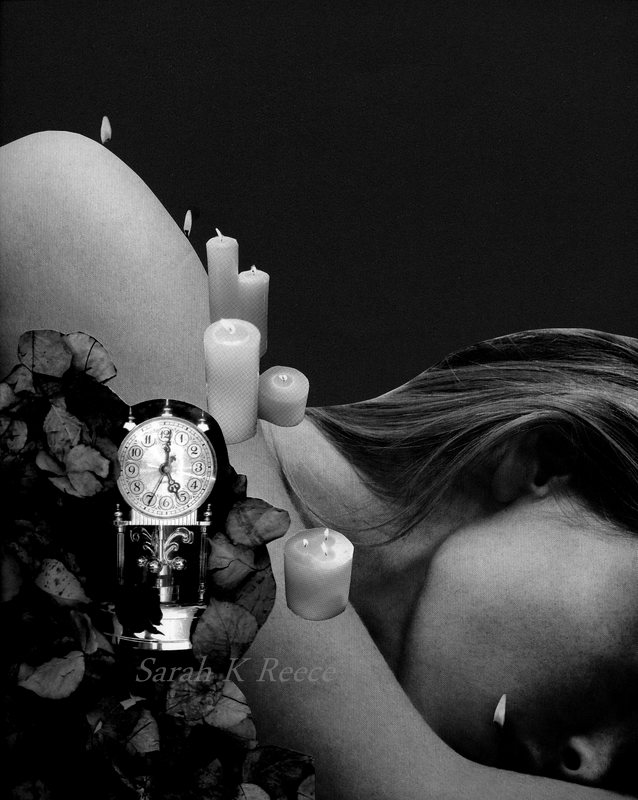
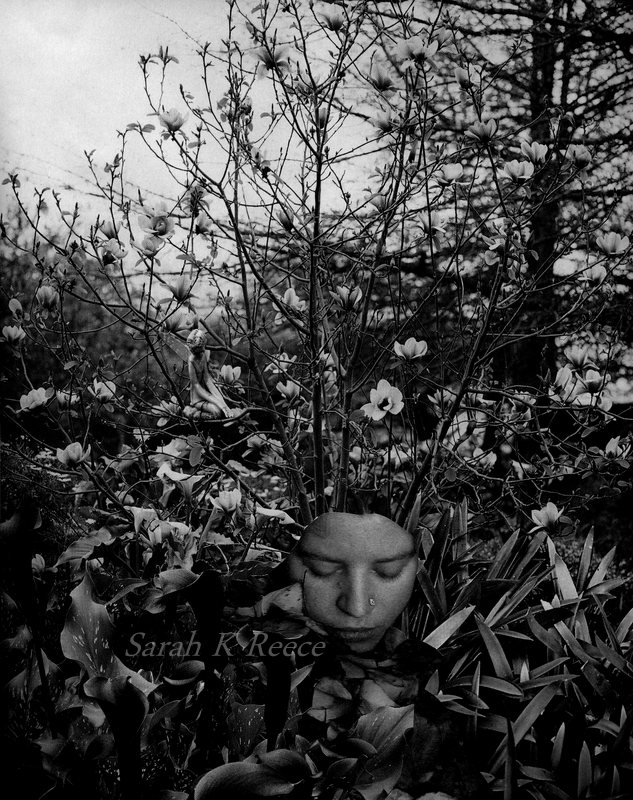
Last year I did a class of Photography where we learned the basics of a darkroom, and made photograms, photomontages, acetate negatives, handmade negatives, and zines. The topic chosen for us to explore in the art was ‘identity’ which I wrestled with a lot at the time and found that I slowed down on writing this blog while I was feeling so exposed. I shared that struggle in Choices and Soul. I’ve dug the journal out this week and thought I’d share my work. Here are three photomontages I created about the intersection of disability/chronic illness and identity.
Our three cats. Sarsaparilla hates sleeping indoors about as much as he hates Bebe. Sars is the black chap on the left, Bebe has the laser eyes.
Tonks is helping me write my book.
College is over for the term! I’m on a two week break. I have a fair bit of homework to do but I’m taking a couple of days off first. Saw my doctor today who was not fazed by depression or suicidal feelings, considered them all to be perfectly normal grief and trauma reactions, and that the fact that Rose and I are getting dressed and leaving the house most days and talking about Tamlorn are all really good signs. Her biggest concern was for us not to rush through it all but go at our own pace, as delayed grief is complicated. She didn’t mind calling them a baby either, and made it clear she considers Rose and I to be mothers. Good doctors are a blessing.
Rose and I have received this care package from Pregnancy Loss Australia. Like everything else to do with grieving Tamlorn’s death, it’s deeply bitter-sweet, both helpful and painful. Deep breaths.
Yesterday Rose and I drove for about 6 hours home from our little get away. I don’t cope with coming home sometimes. By bedtime I was a mess, head full of noise, overwhelmed by emotional pain. We lay together in the lamplight and I pulled apart my heart in confession: “I feel so bad at times I would do nearly anything to stop it.”
“My thoughts are turning to suicide.”
“The contrast between glowing with health and hope in pregnancy and now not caring about my body and wresting with self harm is shattering.”
“I feel like I’m letting you down.”
“I feel scrutinised and under pressure to cope gracefully or at least to hide how much this is hurting so that I don’t seem ill. I feel in a double bind where wanting a child very much and loving them very deeply is seen as a sign that I would be a good parent, but grieving them deeply and being affected by their death is somehow a sign that I am worryingly ‘mentally ill’ and would not be a good parent.”
“I want to run away from my life. I want to hide under a rock. And I don’t understand it because I’ve worked so hard for my life. I love it. But right now I hate it.”
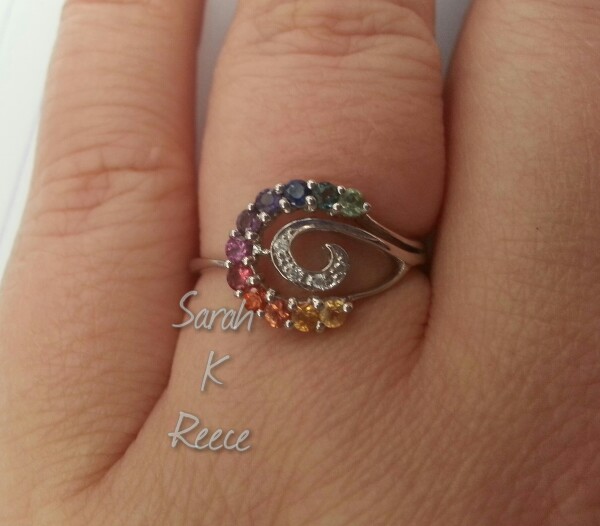
Rose stepped into that place with me. She didn’t argue or hush me. She shared her own pain and sorrow, her own desire to run, the sense of pressure to cope. “I thought you were coping so well and I was the ‘ill’ one.” And in that sacred place of shared pain, a relief. Illuminated by the fire from our burning dreams, we lay naked in darkness and shared our hearts with gentle, brutal honesty and I felt like I was breaking and I felt like I could breathe because I wasn’t alone. There’s a kind of nakedness that has nothing to do with clothes. She wiped tears from my face and on impulse, scrapped grand plans for a big romantic reveal. She dashed into the rain and found the ring hidden in the shed and sat on the bed with me to tell me how much I’ve changed her life, how deeply she loves me in my light and darkness, how privileged she feels to be so close to me, to all of us who are Sarah. She asked us to be her family and gave us this ring.
The ring is from the same jeweller that made hers, all the coloured stones are sapphires from around the world, and the diamonds are ethically mined. The rings are similar but different, just like us. Rose’s ring:
So there in the dark it shines on my finger. She loves me as I am, not just for my best days, my successes and triumphs. Even in darkness, broken-hearted and lost, she loves me.
“I don’t want this ring to be about pain or Tamlorn’s death. But it just felt right that you need a symbol now to take with you to remind you that I love you.”
This is our family. The rain crashes through the night. “If you have to run away, I’ll understand.” I tell her, “Run and be safe and come back to me.”
“If you have to run, just tell me.” She says, “We’ll find somewhere safe for the animals and run together”. We lay blessings on each other from one broken heart to another.
I proposed to her in a forest, at a time when our lives were bathed in light, full of hope and excitement. She proposed to me in a storm, at a time of deep grief and loss. They are perfect bookends. This is who we are. She loves us, and we love her.
I bought my book with me on holiday and I’ve been developing it some more while my companions had afternoon naps. It’s at rough draft stage now, and comes in at around 23,000 words. I still have question marks over particular topics I’m not sure whether to include or exclude. There’s a big editing job to be done. But it’s taking shape! I plan to have it published this year.
I’m exploring the questions so infrequently touched on, or so often dogmatically responded to in the other books on Dissociative Identity Disorder I’ve read, as I find ways to communicate my own, diversity friendly, take on the topic:
What is multiplicity? What is a singular sense of self? What is consciousness? Where does identity come from? Where do parts come from? Where do voices come from? Where do dreams and psychoses come from? How does identity develop? Why don’t some people have one? What about people who lose theirs? What causes multiplicity? Is there such a thing as healthy multiplicity? What does multiplicity tell us about being human? What about being human is important to keep in mind when engaging with the topic of multiplicity?
Being an introductory guide this booklet will not answer all of these questions, but it will at least acknowledge their existence and how problematic it is to declare simple absolutes in this field. It will be as inclusive and useful as I can make it. Somewhere between the rigid dogma and the bewildering lack of certainty are paths, guides, tools, and principles that help people find their own way.
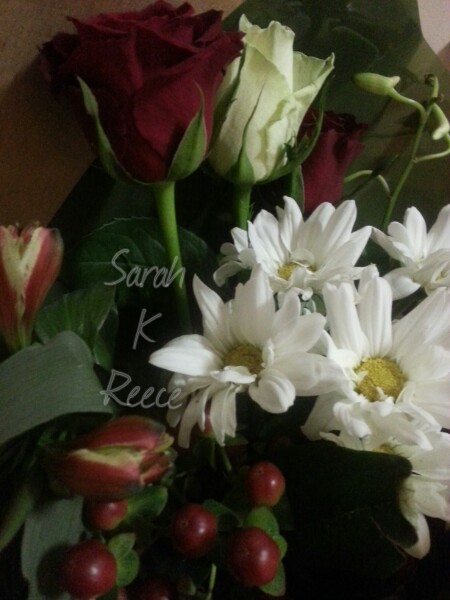
Grateful for friends on the other side of the world who send flowers.
Things are hard. We’re in crisis mode. Not much sleep is happening. I’m doing a lot of paperwork tracking down these debts. So far I’ve discovered we were billed for a bit over $400 we don’t owe, which is good news now that that’s been fixed, but there’s a kind of recurring error in which we’ve been over paid (not our fault) then had our rent increased and pay cut on the basis of this, then been asked to repay the over payment while the rent stays up and the pay stays cut. I’ve gone as far as I can with fixing this on phones and have to go and try to track down help in person next week.
Crisis mode means we had ice cream for dinner last night. It means we’re glad when we have good hours and we’re not surprised when they turn bad without warning. We make plans only a few hours ahead with any sense of certainty. We touch base every couple of hours, touch each other when in the same space frequently, fingers to fingers, hand to cheek. A hundred little ways of saying to each other – I’m still here, I love you, we’ll be okay.
We’re talking this weekend off and heading away from the city to hide out with a friend and our dog. I hope it helps, we sure could use a break. Friends being lovely are helping to keep us going.
I am shattered. 2 days of intense Posttraumatic Stress Disorder (PTSD) type distress. I remember this, it’s like being 14 again (when I was first diagnosed). I jump at every little sound or movement. I’m still bleeding, so much blood. It flashes in front my eyes, I see it pouring from my opened wrists for just a moment, a flicker of it pumping from the drip site in my hand. This isn’t just grief, it is trauma. I feel like I’ve staggered into another world, I’m walking wounded with the returned soldiers from a war we’re not supposed to talk about that everyone pretends isn’t happening. I feel like a ghost. I feel like I’m dead. I’m slipping sideways into that detached place where I’m not sure what the hell is wrong with me or why I can’t just cope better, where nothing matters and nothing counts.
I’m reading about women miscarrying at work and not being allowed to go home early, about partners putting on pressure to get over it, about women who were treated with sympathy after the first loss but the fourth is old news now and there’s just frustration that she needs time off again, about women being treated brutally by medical staff, denied pain relief, denied the treatment of their choice, suffering through multiple internal exams, strangers trying to pull the last debris from their womb by hand. I’m reading about women who 3 years on still have flashbacks, can’t bear to be too close to another pregnant woman, can’t see her children without pain. And no one talks about PTSD or trauma, because no one has talked to them about it. Because ‘nothing really happened, miscarriages happen all the time and most women just get on with things and don’t make such a fuss and an early loss isn’t really a baby and it’s best not to talk about, not to think about it, not to make a big deal out of it…’ So we don’t call it trauma and we don’t call it dissociation or flashbacks or triggers we just call it some hypersensitive women not coping…
I’m at the limit of coping. Small things push me into hysterical distress. I can’t go more than a few hours without feeling absolute desolation and sobbing. My voice cracks, my heart feels shattered, there’s this keening howl in my throat when I breathe in. I feel like I can’t breathe. I feel like I’m drowning. I hate reading other people’s experiences but I can’t bear to be alone in this either. Their pain, their crazy-making pain, their trauma and woundedness and hopefulness and grief and sense of being alone give mine context. This is just what it is, this is what it feels like. I get it now, and when I feel compassion for them or rage on their behalf, a little spills over for me too.
I crave sleep and rest, time in the garden, in the sunlight. Other people’s children hurt to see, their babies are a physical pain in my chest, an ache in my arms. But I love them also, I want to be near them, to follow them, if they look at me or smile I feel like my heart breaks but it is bitter-sweet, a flood of love and hope, looking over at world where the sun is shining. I don’t want to avoid them yet. Maybe after the next loss I will be in that place.
Every time I have to talk about the pregnancy in the past tense I feel a fresh wound.
I find I crave touch. I want to curl into a hug for 6 hours and not get up again until the world hurts less. I want to hide in a pillow fort, under blankets until the monsters go away.
I want to run down the streets, naked and screaming, blood streaked, and set fire to the houses of the complacent people who don’t think this is a big deal.
This morning I slept in a little then got up to go to college. I dressed and got ready then opened emails from welfare. They have made major mistakes with calculations and we owe them a lot of money. The same thing has happened with housing and we now owe a lot of backpay rent too. I called a friend in hysterics. They came round and cleaned the kitchen while I called debt departments and wrote up excel charts to try and figure out how this happened and how we are going to manage it. I spent all day in admin between bouts of hysteria. I’m exhausted to the point of trembling.
People are sending in messages of grief and support from our Invitation. I read them out loud in bed to Rose at night. We kiss goodnight through tears. I’m so glad we did this, so glad we chose to handle it this way. It’s deeply meaningful to feel we are honouring other dead babies, other families love and grief too. I have to go back to college soon, to work on artworks and all I want to do is memorialise grief. All I want to do is make trees that weep for dead babies, monuments that speak for silenced grief.
I’m trying to keep my life running. I’m scared of dropping out of college, of losing my business, my networks, my friends. I’m scared that when I climb out of this black hole and there won’t be anything left. The world is already moving on, sweeping me along, demanding attention. And I’m still here, bleeding. I’m still here.
Yesterday I woke up with a book in my brain and my heart light. I sat out in the backyard all day and worked on how to put this massive amount of information together in a useful way. After some lovely conversations with perceptive friends I have decided on a new structure for my book. I am constantly overwhelmed by my own inane desire to write a comprehensive treatise, a PhD thesis on the entire history and cross cultural perspectives on multiplicity, a summary of everything I’ve ever experienced, heard, read, encountered, or wondered. Obviously, for people who need information in a simple, manageable form, this would be about as useful as a free aardvark. For anyone in crisis, it would be about as useful as a free colony of rabid bats delivered to your living room. I know this, but it’s hard to let go of anyway.
So, I am not writing a book any more. I am writing a series of booklets. Smaller, simpler, more accessible, on a very specific topic, and as I publish them I can if I wish and there seems to be interest, group a relevant collection into a master volume. Otherwise tentatively called a book.
A friend kindly pointed out to me yesterday that it’s interesting that a book about multiplicity, written by a multiple, is constantly changing structure. Many of us are working on this and clearly we all have different ideas about structure. Obvious when you think about it! So far this new approach is working, partly because it makes room for a number of different approaches to be part of this series, distinct but connected, such as collections of diverse stories from other people, poems and artwork, workbooks with exercises and tools, crisis resources, and so on.
The first is going to be a summary of my understanding of the experience of Multiplicity – the inevitable “So what is it?” component of every talk I give and the necessary link in the opening paragraph of every blog post on the topic. (when I’m being conscientious) It seems like a good place to start. I’m happy to be working on it actively again.
Today was harder, I had a rough night and feel sick again with nausea and crampy pain. Rose and I took a drive through the hills, admiring the autumn leaves. We bought a few plants for the garden and had teary conversations. I’ve been reading the emails that people have been sending in to grieve with us out loud to her, and we are both so deeply touched by them and feel so glad to have made a small space for others to grieve their own losses too. Much love to all of you. xx
We have arranged for the hospital mortuary to hold onto what they call the ‘products’ of my post-miscarriage surgery. A company I really respect, The Natural Funeral Company, are going to collect our little Tamlorn on Monday and make arrangements for a cremation.
It might seem silly to fuss over a miscarriage, over a baby who was so little and died so early. But for some people, it’s exactly the right thing to be doing. It gives a home to aching loss, rituals of grief are how we anchor the senselessness and bewildering pain. This isn’t the right way, the only way, the best way. It’s simply what Rose and I are exploring, step by step, as we feel our way through our needs.
Because Tamlorn was so tiny, we have been advised that they usually cremate such little ones with paper so that you can be given enough ash to scatter or bury should you wish. We decided we would like to gather some things of meaning to cremate with Tamlorn. We are aware that as we have been so open about our pregnancy and loss, there are so many others who have grieved with us. We know that many of you have felt the old ache of losses of your own, babies and other loved ones. Grief calls to old wounds of grief.
So we wanted to invite you to email us something (skreece1@gmail.com) by this Thursday April 2nd, if you wish, to be included in the cremation. I will print it out and take it along to the cremation with our own letters and poems. You don’t need to feel that you have the ‘right’ thing to say. Words come easily for some and others grieve wordlessly. Here are some ideas about what you might like to send:
A photo of your favourite place
A picture you or your child has drawn
The names or dates of your own angel babies
A favourite poem
A quote you find meaningful
Song lyrics that speak to you
Lines from a text sacred to you such as the Bible, Koran, or Torah
A letter to someone you have loved and lost
A brief message such as ‘With love from the Smith Family’
If this seems uncomfortable or strange to you, please feel welcome to let it pass by. You don’t need to send anything, it’s not about ‘proving’ that you care. We simply wanted to acknowledge the outpouring of love and sadness and for those who wish to be part of this, extend an invitation. For those of you who have suffered loss such as infertility or miscarriage, especially if you have not felt safe or ready to share, or not had the opportunity to remember them in some way, you are welcome to be part of ours and to remember them with Tamlorn. You don’t need to have been close to us to be welcome to do this, we are opening this up to our whole community including those of you who read here or have just heard about our loss through friends. If you feel moved to participate, you are welcome.
If you would prefer instead, you are welcome to send a small token we will hang on the peach tree we will be planting for Tamlorn. Items can be sent to PO Box 165 Brompton South Australia 5007. If you send something you wish to be kept private, please let me know so I don’t share it with anyone other than Rose.
Okay, surgery tomorrow. No more waiting to miscarry.
O.o
Not ready. Ready, but not ready.
Today was full. I moved very slowly. I went to sculpture class a record 4 hours late. My tutor is away sick and we have a new one! I talked to them and two other lecturers about my miscarriage and surgery. I went into this weird slightly hyper state to get everything done without crying. People seem to keep expecting me to be emotional in public but I don’t have a lot of shades at the moment, it’s nothing at all or all of it. So I keep a lid on it until I’m home safe. I hate that breathless feeling though, the cheerful, slightly hysterical note in my voice, the way people misunderstand easily and think I’m being flippant.
I stayed until 6 and finished my sculpture projects for the term. They’re placed in a corner, labelled and tagged so they’ll count even if I can’t go in next week and present them. I have worked so hard this term to stay up to date with the course work in case something like this happened and I am so organised and ready. I’ve never done 70% workload at uni before and I’m managing it. I’m so proud of myself.
Tomorrow is going to be weird and hard. I’m going to ask the hospital to give us Tamlorn’s remains. I’ve arranged a cremation with a local funeral company. Rose will not be allowed to wait with me before surgery or come into the recovery area after surgery. She is going to have a very long, lonely day floating around the hospital. She’s not even allowed to wait outside the surgery area – those seats are strictly for patients. A lot about hospital procedure has left a lot to be desired in this process, such as having to wait on hold for an hour to get through to the antenatal department to cancel our first appointment tomorrow, while someone on a looped recording gives me advice about taking care of my baby. Trauma, trauma, trauma.
And then home. Not pregnant anymore. Tamlorn gone. After the high and the busy-ness, the crash, the silence. I’m not ready. I’m ready.
Home today and dazed. I feel like I’m picking my way carefully through a harsh and dangerous land, trying to find a path through. Stepping stones across rapids. I didn’t attend college today. Rose made it to work for most of the day. I’ve been tackling the admin in the wake of yesterday. Cancelling the antenatal appointment, informing college about my absences, contacting parents who had face painting booked with me this weekend, notifying the others coming together to work on the networks Hearing Voices Network of SA and the Dissociative Initiative that I’ll be in surgery when we were planning to meet. There’s a thousand small decisions to be made.
These are the most helpful resources I’ve found so far:
Management of Miscarriage: Your Options Rose and I decided on surgical management. What I’ve experienced is called a silent miscarriage, that is, I’ve had no bleeding or pain. My body still thinks I am pregnant although the baby has died. The hospital explained to us that it may take up to 8 weeks for my body to let go of the pregnancy. I’m finding it hard to be aware of a dead baby inside of me, and the thought of not knowing when it will happen is distressing. The 10 day wait between our ‘it’s not looking good’ scan and our scan confirming death was gruelling. I feel exhausted already by waiting. I’m afraid of more trauma, seeing blood, tissue, tiny body, of pain. So this time I’ve chosen surgery. If I’m ever in this situation again a different option may feel like the right choice. I don’t judge anyone else’s choices. This booklet was helpful and didn’t make any option sound superior.
On Miscarriage – a personal experience by Clare This article is a first hand account of miscarriage. I keep coming back to it. Her thoughts about the taboo of miscarriage resonate with me.
The Natural Funeral Company are my local creative funeral company. I already had tagged them as possibly helpful people back when we were preparing to get pregnant and I wrote Preparing for the death of a child. I contacted them today, embarrassed and confused, to ask about my options if I choose to take home Tamlorn’s remains from the hospital. They confirmed that they will perform a very low cost cremation so we have some ashes to scatter or keep.
Funeral Planning for a Miscarriage It’s hard to think clearly when things like this happen. Checklists and suggestions from other people who have been here are helping me know what my options are and feel out what’s right and fitting for Rose and I and Tamlorn.
There’s a new peach tree in my front yard, waiting to be planted in Tamlorn’s memory, shedding leaves as autumn creeps on. We chose a variety that will fruit in March, blessings every year to remember them. Our community – readers here, our friends and family and workmates and friends of friends have poured out messages of love and loss and support. We have come through the very outcome that people counsel you not to share because of, and we’re still glad we shared. (It’s okay if that’s not the right call for you though) We’re also glad that we decided to tell people what would and wouldn’t be helpful for us to hear. Rose has had a much gentler time in conversations this time around than after her other 6 losses, and we think that had a little to do with it. Sometimes it’s hard to know how to be helpful and having someone tell you can make it easier.
We are hearing that some others affected by this loss have had some tough times with other people and that’s sad and frustrating. Grief is contagious, it links us to other experiences of grief, it reminds us of vulnerability, mortality, that the world is not just. It touches deep wounds. Frequently unpredictable and always a legitimate need of the heart. We shouldn’t have to grieve secretly, justify grief, or be afraid of our tribe when we’re hurting. We grieve for things that happen in other countries, for tragedy suffered by people we’ve never met. We’re supposed to. It’s okay if you’re feeling affected, more than you thought you would be, more than someone else thinks you should be. Rose and I don’t own this pain, you don’t have to be close to us, or related to Tamlorn, or have experienced a miscarriage to justify your feelings. If you’re grieving then you need to be, so please be kind to yourself, please ask trusted people to be kind to you.
There are people who think grief is straight forward, clear, direct. Concentric circles spilling out from a central relationship. I don’t believe that. There are people who think we only deeply grieve people we have known and loved for many years. People who think miscarriages are not something that should ever be grieved. (you don’t have to grieve a miscarriage, you will feel grief or not, as your heart needs. It’s not wrong to not feel grief. It is wrong to try and quiet someone who is grieving) People who try to rank grief, this loss is worse than that loss. I believe none of this. Grief is a deep aching need of the heart to weep. I have grieved lost hopes and dreams. I have grieved lost health. I have grieved losses of people I have never met. I have grieved for characters in books. I have grieved for pets. I have grieved for suicidal loved ones, for their anguish. I have grieved for whole cities, whole countries, forests. When I was 15 the river dried up and left shrinking pools of dying fish. I prayed to every power I knew and wove every spell I could with my poems, and carried them in buckets to swim in old cattle feed troughs and bath tubs and they still all died. And I cried like the world had ended, cried for days and days with a profoundly broken heart because I had just learned that some things are beyond my control even if I love with all my heart. Grief is part of being alive, part of being human. I don’t believe you choose to grieve or to live, grief and living weave in and out of each other. If you have ever loved anything or anyone, then one day you will grieve.
I can’t tell you how sorry I am that our shared joy has become shared pain. I’m sorry for everyone who is hurting, remembering other losses, feeling helpless, feeling torn. I’m sorry for those of you who have had terminations – who found yourselves with life that was not the right time or with the right person, growing in the wrong places, growing broken and unable to live – who grieve even if the decision was the right one, and can’t speak of your grief. I’m sorry that your loss is so often hidden in the shadow cast by the loss of a wanted child. I want you to know that I don’t hate you or judge you, that you are allowed to not grieve or grieve as you need to also. I feel like my grief and my situation makes people think we are enemies, standing on opposite sides. I want to say we are not enemies.
I can’t tell you how much I appreciate that you care, that you reach out, tell us Tamlorn’s name is beautiful, remind us we’re not alone, share tears with us. I know it feels like there’s nothing you can do, but listening and caring are doing something, doing the most powerful thing you can. As we listen and care for each other, fumble through rituals of grief for a loss not often acknowledged. I’m sorry we brought this touch of death into your lives, but I’m grateful that we’re not here alone.
Our baby has died. There is no heartbeat, no growth, no obvious abnormalities, they’ve just died. You can see them in this last scan, all curled up, head at the top and body tucked under in the dark womb. The painful wait is over and there’s no hope left.
We’ve had a very, very long day. We’ve just arrived home from hospital. We’ve spent all day in waiting rooms with pregnant women and new parents with tiny infants. We’ve decided we have waited long enough and will end this on Thursday with minor surgery to empty the womb. We’re exhausted and devastated.
I know it’s so hard to know what to say when people when grieving, and that grieving people are often distant, preoccupied, and angry. Here are things Rose and I are finding helpful and not helpful.
Not helpful:
At least you know you can get pregnant
You can always try again
At least it was only early
It’s natures way of protecting you from a damaged baby
Maybe you did something wrong
It’s God/The Universe telling you something
It will happen when the time is right
Cheer up/chin up/it will all work out
Some of these things we already know, others are attempts to cheer that just hurt more. Grief hurried through become lonely, twisted, dark. Grief given time will heal.
Helpful:
I’m really sorry to hear that
It’s okay to take time to grieve
Would you like it if I shared about my experience of loss/brought round some dinner/sent you a card/gave you a hug?
It’s okay to say nothing at all. It’s a beautiful thing to be able to sit with other people’s grief, to be silent and not try to make it to be anything but what it is.
We’re calling this little one Tamlorn, after a beloved child in a book by Patricia A McKillip. My Tam. Our Tam. We’re hoping to go out tonight and buy a tree to plant in their memory.
We will rest for a couple of months and then plan to start trying again. Our donor is still on board, so this is not the end of our journey. Thankyou all for your hope and messages of love and support.
Rose and went to a follow up appointment at the local hospital today. The second opinion was sadly the same as the first, the odds are very against the survival of our bub. They were very nice. They’re taking over our care early, so they’re now the ones to call with questions or fears. We can turn up anytime if there’s bleeding or cramping. (must turn up, in fact, as I’d need an injection to prevent my body creating antibodies against the bub) They will do another scan in 10 days time, if we haven’t miscarried by then, and compare growth rate and so on to see if there might be some cause for more optimism. In the meantime we just wait.
It’s a hard place to be, we’re full of hope and despair in equal measure. We’re talking things very gently. Today I felt like company and Rose felt like bunking down at home, so she did just that, and I went out to Port Noarlunga with my sister and a friend. I had a raspberry sorbet and we went snorkelling along the reef. It was such a beautiful day, so bright and clear, the sky so blue. The water was full of fish and we saw a few crabs and starfish too. We’ve had dinner with family and we’re now watching Harry Potter.
It’s like the movement of a tide. Some hours are full of big emotions, others are the simple joy or needs of the moment. I feel a lot older and wiser about dealing with the movement of such string feelings. Less ashamed and bewildered, trying to control what I can’t. Better at rolling with the tides. It’s funny, on the way home today I thought about sharing on here what I’d done and I knew it would meet with the approval of those who would have advised me to not concentrate on the fear about our baby, just enjoy myself. That’s really not what I was doing today. I’ve had a lovely day after the sadness of the hospital this morning, but that’s not because I chose to think positive or decided how I would feel. If I had needed to curl into a dark place and paint myself with ink, or make dark art, or park my car somewhere solitary and scream, I would have done those things. I’m likely to do them sometime over the next few weeks.
It’s not about what anyone else would do or thinks I should do. It’s not about what a social worker might think of as the appropriate ways to handle this. It’s not about obedience or conformity or trying to make myself feel or not feel anything. It’s about listening to myself, unhooking from shame and loneliness and the other painful ideas that inevitably come with strong feelings and tough situations. I share them, counter them, unhook from them.
People are not rational in the face of pain. It’s normal. I find moments of shame when I’m feeling good. I find vague hazy fears that people like Terry Pratchett have died because we’re trying to bring a new life into the world. And when I can take these some place safe and unhook from them without shame, I’m just left with the feelings and needs of the moment, and I’m free to meet them. Company, solitude, distraction, expression, research, comfort, whatever. Whatever the feelings or needs are, it’s okay. I can navigate them, explore them, find a place for them. Rose can too. It’s okay when they’re not the same. It’s okay when they shift every 20 minutes. It’s okay if they’re different to how other people have felt or think they might feel in this situation.
It is what it is. Today our little one tasted the salty sea warmed by the sun. With what time we have, we’ll live. Fully, deeply, honestly, passionately. We’ll hurt and we’ll hope.
Bear with me, all those of you who are still fighting like crazy to have trauma recognised as important, relevant, meaningful to people’s experiences and struggles. I know that for you the idea that trauma can be overstated or misapplied may seem ridiculous because in so many areas it’s still fundamentally so ignored! But the fields are not flat – in some areas trauma is the focus in a huge way, and sometimes this is unbalanced and makes life harder for people.
I was discussing this issue once with a sexual therapist who was being driven to distraction by the assumption that trauma underlies all challenges people have. People were being presumed to have been sexually abused merely on the basis of having some issue they would like to seek support from a professional like her. The gender and sexuality diverse community has laboured under this myth for many years! I still hear from friends that some doctors and psychiatrists believe that being queer in any way is a sign of sexual abuse in childhood, or means they have unresolved issues with a parent. (Who the hell doesn’t have an unresolved issue of some kind with a parent??)
Trauma being a central focus can also cause problems because of people’s natural desire to arrange things in some kind of order. People often create a hierarchy to trauma experiences and feel humiliated and mystified when their trauma history isn’t ‘bad enough’ to justify their current struggles. Context – so dull and yet so key to the story of post trauma stress – is so often forgotten. Friends, connections, and meaning play such a huge role in our response to trauma. It’s not all what happened to you, it’s also how people treated you afterwards. Some of the most undramatic stories in our lives, loneliness and loss, leave the deepest wounds. Resources that focus on trauma either exclude those needing the same support but due to anxiety or other kinds of distress, or they broaden the definition to the point where all people are traumatised and the answer to every question and result of every equation is trauma.
It’s easy to look at a misfit like me and see trauma, and trauma is a big part of my story! But it is not the only part. I was a creative oddball long before school bullies and self harm. Claiming and understanding my trauma history and how it has shaped me has been essential to understanding myself, but I also find that at times I have to reclaim myself from the overwhelming trauma narratives. My life includes these things but does not revolve around them. I am more than what has happened to me. I am more than a sad story of harm or a triumphant story of recovery. I am also a life, a human life, with all the sorrow and pain, and the confusion, and the sublime. My story is not more or less meaningful, my pain not more or less real, my joy nor more or less extraordinary. I am human, and trauma narratives can take that away from me and put me in some other box of people who are different, lesser, or special. I am not other. I am human.
I remember going to Melbourne to see the Tim Burton exhibition and reading about his childhood and early life as an artist, expecting to see a trauma story given his proclivity for the gothic misfit. There wasn’t one. He was a creative oddball who didn’t fit well – his portrayal of the blandness of suburban life are now legendary! (think Edward Scissorhands for example) Trauma is part of the story of many artists lives, but for many it’s not, and we misunderstand something about the nature of creativity and restlessness when we forget this. When we don’t recall that many artists don’t ‘fit’ at first, we turn that ‘not fitting feeling’ into something about trauma. Being an outsider is always a strange, challenging, and blessed experience whether you’re super smart, disabled, or vaguely mad. Trauma may be a result if you’re isolated or bullied, but it’s not always a cause.
I find myself wanting to talk about how harm can happen when all our dominant narratives become about trauma. When friends struggle through extremely poorly delivered child abuse awareness training where they are told definitively that people who are sexually abused as children are damaged for the rest of their lives and never recover normal relationships or sexual intimacy, I’m so angry. And when those friends try to speak up and say – hey, that was me, and yes, it’s the most horrible thing – but don’t write off our lives! We DO have lives! And are instead told their personal experience is clouding their judgement so they are failing to appreciate the catastrophic impact, I think something is wrong.
I’ve read ‘trauma informed care’ documents that make victims of trauma sound like helpless children, or that insist that healing only happens in therapy and close connections to a traumatised person should never be attempted by someone not ‘suitably trained’. You can almost hear the void around the hurting person as everyone steps back and waits for an expert to come along. In other contexts, we call this ‘the bystander effect’. It’s not a good thing. Friendships and relationships have a language of their own that should be respected! Communities have been finding ways through trauma – well and badly, for thousands of years before we invented therapy. Therapy is one of many tools, and it does not ever replace community and a sense of belonging. (many trauma therapists know this, of course!)
I’ve sat in talks about multiplicity that were so concerned to let us know we may be triggered, we were welcome to leave partway, caring staff were on hand if we needed to talk to someone etc etc that I seriously wondered if they’d considered that I manage pap smears, nightmares, losing people I care about to death and suicide – on top of the various traumas in my more distant past. The focus on my vulnerability left me extremely angry and unseen – my strength, my coping, my competency were all invisible in a space that marked me as a trauma survivor and permitted me to leave the room where the important educated people were discussing the difficult topics of the life and recovery of people like me.
There’s a fantastic looking conference happening later this year I would love to attend and speak at. It’s being held by the International Society for the Study of Trauma and Dissociation. Unfortunately it’s happening the month after I’m due to deliver our baby, so I’m not going to put an abstract in. But reading the front page of info really made me want to, because its called Broken Structures, Broken Selves, and describes “The very structures given the responsibility to protect these children, broke down their basic trust in the world, and therefore their very essence – Self – so necessary for their future development.” And I so want to go there and talk about the harm we do when we constantly refer to people as broken! The number of times terms like fractured, broken, fragmented, and developmental failure turn up in books and articles about multiplicity is absurd. People are harmed when we constantly describe them this way! People are harmed when there is no concept of healthy multiplicity, non-trauma-origin multiplicity, or healthy dissociation. I KNOW there is a profound need for awareness and sensitivity to the impact of trauma, to normalise and support people especially when their only other framework is “I’m crazy!” People are harmed by trauma, yes! But when inbuilt defense mechanisms like dissociation act exactly as they are supposed to, I would argue they are a very long way from broken. It is those who harm people who are broken. That is the inhuman behaviour.
I can’t go along this time and say any of that, I’m hoping that someone will anyway, there’s a diverse group of people interested in this field and I don’t but heads with all of them! Some of us have fought so long and hard to have trauma recognised as important, we need to be careful of what happens when it does gain that recognition and becomes the dominant framework. It can be inconceivable that something so fundamentally respectful of people, something so essential and good could be misused or harm people. But such is the risk when any perspective becomes dominant. There’s more to us, to our stories, our lives, and our selves than trauma. Part of what it is to be human is to feel broken, to be aware of our own incapabilities and limits, to mourn what we could be. That story isn’t just about trauma, it doesn’t cut us off from those who lived blessed lives. We don’t have to sit on our side of the fence hating them, watching them live in the sunshine while we drag our mangled hearts through the darkness. There’s pain in all of us, loneliness, brokenness, and hope. This is the human story. It seems so deeply important to me to place trauma in that context, to – if you will – integrate it with our stories of what it is to live and love and be a breathing living collection of fears and dreams all wrapped in skin.