Labels – helpful or harmful?

It’s so interesting to listen to people talk about their experiences with mental illness. I’ve heard such a range of stories, from those who became unwell, received an accurate diagnosis and useful treatment, and drastically improved, to those who first suffered the terror of developing mental illness and then the terror of inaccurate, incomprehensible, and traumatic diagnosis and intervention. One of the areas I’ve noticed people have a range of reactions to is this issue of diagnosis, and whether labelling people’s behaviour and experiences is helpful.

The central idea behind the labels used in mental illness was to be able to group people’s experiences into similar categories and give them a name so that it was easier for one doctor to communicate to another what kind of struggles a person was having, and so that things that were found to benefit the majority of people in a group could be made available for them. Born out of the medical model, mental illnesses are listed as diseases, with the presumption that the processes can be measured, will be found to have a clear cause, and always only involve deficits. The reality is more complex, mental illnesses seem to function more as syndromes – clusters of ‘symptoms’, causes likely to be a combination of factors, and numerous subgroups who experience different sets of symptoms and respond best to different treatments. That’s still a medical model framework, and doesn’t account for people’s experiences that are positive, while still being different from the norm, or for the idea that some psychological processes seen as illnesses may be healthy responses to overwhelming circumstances.

When labels are experienced as helpful one of the things I hear most often is a relief that confusing and frightening experiences have a name. With a name, they can be talked about. There is a language to describe them, to take the intangible and the terrifyingly personal and communicate about it to another person. For myself, I have experienced dissociation for as long as I can remember. I didn’t encounter the word to describe it until I was in my 20’s. Prior to that I had no words to explain what I was experiencing, and no way to understand why I felt different, the nature of the gulf between me and my peers. That difference was formed by many things, such as The Gap, but I wasn’t able to express or understand the tremendous difference in the way I functioned. With no words for it, I was absolutely alone in it, unable even to ask for help. We need names for things to be able to talk about them. Many people are deeply relieved to discover their difficulty has a name, be it depression or mania or dissociation.

I’ve also experienced the enormous relief of discovering that reactions I didn’t like or understand in myself were part of a condition, PTSD, instead of just my own personality. Being able to locate my troubles as separate from me helped me to feel less shame and humiliation about them.

Labels also give us a community. With a label we have a chance of linking up with other people who’ve struggled with the same things and feeling less alone. There is a pool of resources (hopefully) we can seek out, books, community groups, organisations who exist to share information and strategies to manage your particular condition.

This experience of community can also be one of the things people find terrifying about labels. Labels are black and white. Many people have had the distressing experience of being hospitalised and aghast about their new ‘peers’, the other patients. There’s little room for degree, and people remember the extremes and the most unwell. A person diagnosed with MS immediately pictures wheelchairs and severe disability, a person told they have schizophrenia dreads a future of long term hospitalisation and unrelenting psychosis. For those of us who’ve come from a world divided into them and us, the sick and the well, the disabled and the rest of us, it’s a huge shock to the system to suddenly find ourselves in the other camp. We may reject our label, deny, downplay our symptoms, protest about all the things we can still do…. and at some point perhaps, realise that the entire rest of the disability community are saying exactly the same thing, and readjust our view of the world a little.

Where labels hurt is where they define us to the exclusion of all else – a person with Borderline Personality Disorder becomes “the Borderline”, instead of somebody recovering from a mental illness. Labels are also things we live to, children treated as if they are smart, hard working and will do well in school tend to live up to those expectations. The reverse also applies. Told we will be profoundly disabled, we will have our condition our whole life, we will never be able to work again or live without meds or have ‘normal’ relationships or live independently – many of us will live to fulfil those predictions. (a few of us with a tendency towards rebellion will use them as impetus to accomplish exactly whatever we were told we couldn’t) Labels can box us in, hold us back, define our world in a way that is deadening and takes away hope.

Labels can also cut us off from each other and from resources that are labelled in a way we’re not familiar with. I’m constantly coming across information in different areas that have developed independently. Because of our tendency as people to specialise, often useful ideas and resources are locked away in different areas. It needs people with broad interests, or experience in several different areas to link things back together. For example, people struggling with self harm have been developing comprehensive lists of grounding techniques – but few people struggling with dissociation have come across them even though my experience has been they are very helpful for dissociative symptoms. People who have a severe anxiety disorder don’t have access to great work being done about reducing ‘exposure anxiety’ for people with autism. People with MS talk to each other about ways to cope with symptoms such as numbness, muscle weakness, and chronic pain, but no one with Fibromyalgia is likely to pick up a book labelled MS and read about these, even though they have those same symptoms. People with a physical illness or disability are often deeply reluctant to seek help or information for emotional distress such as anxiety or depression because they need to view their symptoms as physical and collecting another label would only depress them further. Labels can set up a false separation between us, and cut us off from communities and information that would be helpful. For people with very rare conditions, labels leave them feeling deeply alone and envying people with more common conditions, and money and organisations to support and advocate for them.

I don’t care if you feel lonely because you have social anxiety, experience the classic negative symptoms of schizophrenia such as withdrawal, or are too exhausted and overwhelmed by your severe arthritis to get out of the house. That experience of loneliness is something each of these people have in common, and each could be a great support to the other. In our Voice Hearer’s Group some people have a psychotic condition, some a dissociative disorder. Some people hear voices as if someone is standing next to them speaking, others hear them within their mind. Some people have no diagnosis, or do not hear voices but hear or see other things. There is tremendous diversity in our labels, but we are united by a difficult experience, a need to speak about it and connect with other people. Labels that encompass whole complex conditions such as Bipolar can be less useful at times than a language to describe things such as anxiety, slow wound healing, or hallucinations. There’s a lot more common ground out there than we may think, and a lot to be learned from other people, however different their labels.
Upcoming events

There’s quite a lot going on at the moment, I’ve been updating my What’s On page to keep you updated on various opportunities about the place, mostly free or low cost. Check out opportunities with Lifeline, Relationships Australia, CAN SA, and don’t forget that the Broken Hill Poets Pilgrimage is happening this week! It’s not too late to hop on the Tuesday train over there! I can’t wait. 🙂

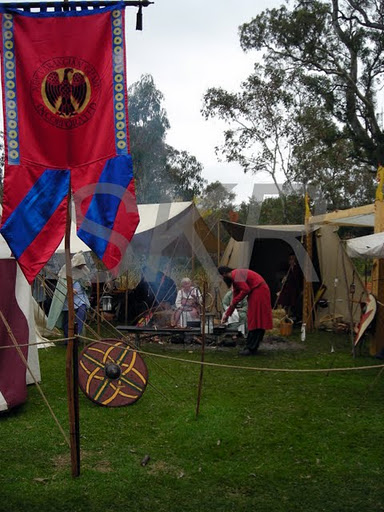
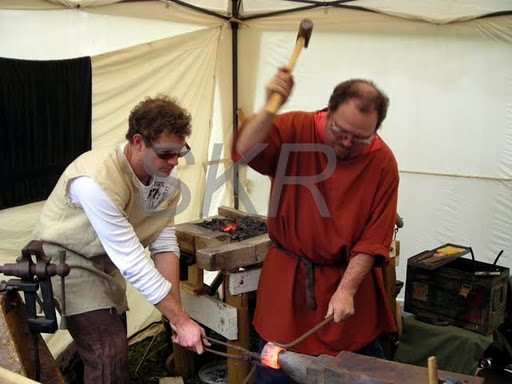
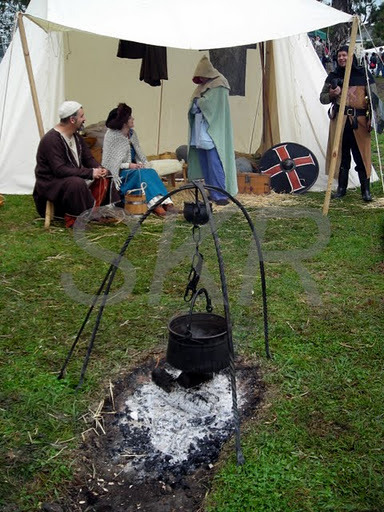
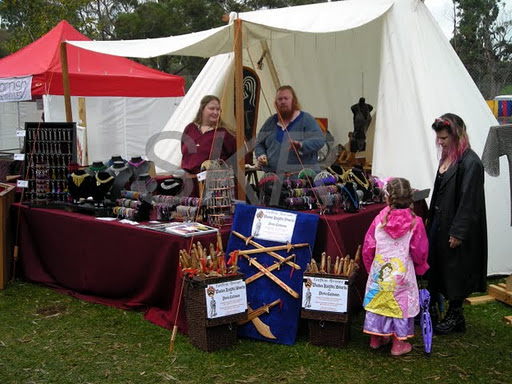
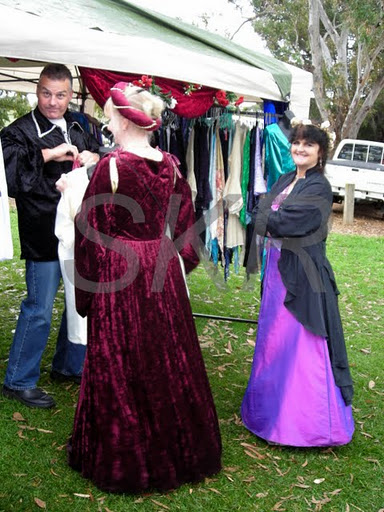
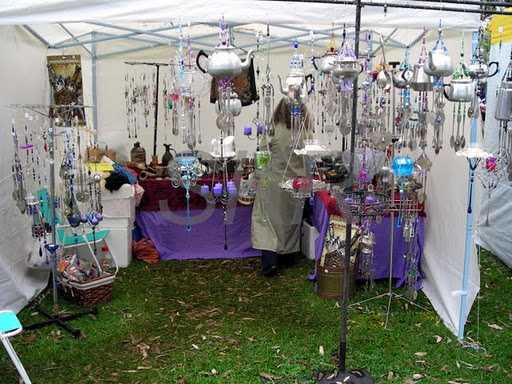
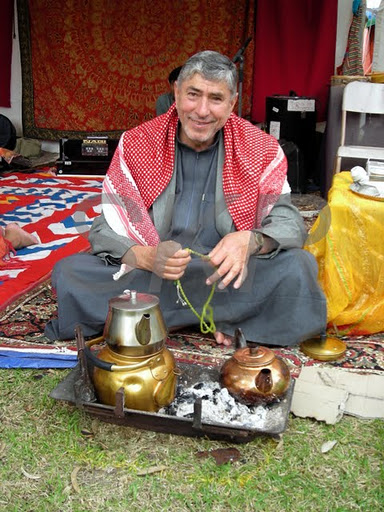
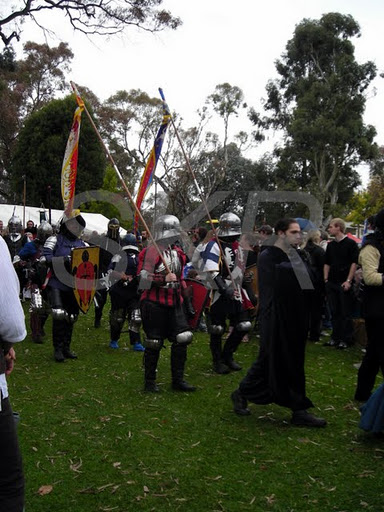
I’m also very excited that the Medieval Fair folks have announced the dates for this year’s festivities! I have been going to this event for many years, it’s a fantastic weekend away from it all, in beautiful Gumeracha. One of the major highlights of my year. 🙂 Here’s some pics for you to whet your appetite. (all details in What’s On)

The procession that launches the weekend
There are many examples of traditional crafts and skills
Gorgeous bellydancers

The traders often set up rustic homes and stay overnight

Many opportunities to watch craftsmen at work

There are many wonderful costumes and displays

Lovely chain mail jewellery (yes, I have some!)

My favourite dressmakers in the whole world – medieval gowns

Lots of gifts and trinkets

Traditional music

My favourite herby lady

Morris dancing

Sword dancing

Medieval middle eastern coffees and delicacy’s 

If you appear in any of these pictures and would prefer not to, please contact me and I’ll remove you! 🙂

Artificial skin

No, I’m not talking about the burns unit, rather skin in a psychological sense. You may have noticed the idea of needing protection from the world turns up in my work on this blog, I thought I’d take some time to elaborate. I’ve often felt like I was thin-skinned – or even missing skin entirely. I’ve since discovered this can be quite a common experience for many people – especially in the trauma recovery or mental illness communities. I am sensitive to my environment, strongly affected by things and people around me. I feel emotions intensely and seem to lack a lot of the psychological buffers that help people shake things off. A lot of my life I’ve felt tossed about by emotional storms I can’t prevent but have to ride out. I’ve been missing some emotional skin – some of the personal boundaries that help to separate us from our environment and the people around us. I’m highly adaptive to different environments, and sometimes even to the people I spend time with, identity becomes blurred as I unconsciously take on their perspectives, mannerisms, language. I lacked defences to unfair criticism, being assailed with severe self doubt – what psychologists call ‘poor ego strength’. There is an inclination to obedience and submission that meant hours, days, or weeks could go by before triggered emotions turned up – ‘actually I feel really angry about that situation last week’, well past the point where those feelings could protect me or I could act on them.

This sense of lacking skin is linked for me to feeling raw, and chronically unsafe. Heightened sensitivity, perception, adaptation, and damaged boundaries all combine to create a painful state where I feel like all my nerves are exposed and I’m permanently vulnerable. One result of this state for me was to feel intense ambivalence about other people – both craving and deeply fearing contact. Another was difficulty with intense emotions, feeling ‘flooded’ and profoundly different from other people most of whom seemed unconcerned by events and experiences that I felt deeply.

I don’t feel so raw over the last few years, developing skin has been something I’ve been working on. I don’t mean I wish to be less sensitive or passionate, but in less pain, less overwhelmed by the world. There are tremendous positives to characteristics like sensitivity and adaptation. But without protection, without some buffering, it seems to me that they leave you vulnerable to exhaustion and despair.

I’ve found that I need artificial skin to survive. One of the first ways I started to create this was through my journals. I started writing when I was introduced to the idea of poetry as a kid. At about 15 I was carrying a big blue binder around with me everywhere and stuffing it with poems, notes and drawings. My level of trust was very low so it didn’t leave my side. Since then I’ve always kept a journal, usually of poems. This private space was my voice, a receptacle for all my intense feelings and a place I could be honest. There’s a fairy tale about a woman tricked into a horrific situation and forced to be silent. In it she digs a hole and screams all her agony into the earth. My journals are that earthen hole for me. Over time as I reread I learn about myself, I start to see patterns and needs. What was only a scream once has become a dialogue with myself.

Years later when I moved into a caravan, that also became part of my artificial skin. I’ve found I must have time alone to process or I do not function well. I also need my own space, a room or home that is mine alone, with no intrusion, no compromise, no sharing. This became the place I returned to from the world, to check in with myself. When I was caught up, over adapting, losing myself and my own perspective, the caravan was like a hermit crab returning to their shell. In it I felt safe enough to work out what I thought, I felt, a distance from the world that was essential to have the strength to disagree, to know myself and have my own voice. I was curious to later read Julie Gregory describing a similar process in Sickened where she lives alone in a house full of mirrors, learning who she is and what she needs.

Self talk has also become part of my artificial skin. Without the automatic buffering afforded by a ‘strong ego’, I have to talk myself through rocky situations. I coax, coach, and reassure myself deliberately when I encounter a situation that needs skin. I don’t just mean bad situations either, for example, I gave a talk in Melbourne last year that was very well received. I got a lot of hugs afterwards, which was enough to blow all my fuses and induce massive dissociation. I ended up hiding in the toilets talking reassuringly to myself, waiting for everyone to move on to the next talk and to be able to stop shaking and start to feel my feet on the floor again. Talking myself through that, and also finding someone else who knew me to take me for a coffee and just chat about ordinary things, served as my skin and helped to buffer me.

This brings up an important part of skin – other people. There are many ways people create skin, some of them have terrible costs. Some people emotionally numb, dissociate, or desensitize to distress around them, becoming cold or indifferent. There are a lot of forms of artificial skin that deaden you or are like armour covered in spikes that hurt people who move close. True artificial skin should ideally replicate as close as possible the natural kind – a permeable barrier that separates you from the world but does not leave you invulnerable to it, or inflict harm. Other people and how we are treated are an important part of our psychological skin. For me, becoming involved with the groups Sound Minds and Bridges exposed me to a whole room of people who treated me in a respectful, caring manner. Experiences of kindness and love build our self worth, and when we feel we are worth something it’s easier to protect and care for ourselves.

I’ve also done a lot to try and make peace with my nature. I’m always going to be someone who feels things intensely, who is affected by things around me. I have learned I need to hang on to the upsides of these qualities, to seek out role models who are also intense emotional people, and get less angry at myself for my weaknesses and limitations. Instead of blazing at myself with frustration and burning with fury that I’m weak, emotional, pathetic, always the drama queen – my journals have a lot of this kind of self hate in them – I try to be unsurprised and accepting of the downsides, and to enjoy and embrace the upsides. So I cried at work again – oh well. I write poetry that I like, I care deeply about other people (although being sensitive is no guarantee of always getting it right sadly, I still regularly miss the mark and feel upset about that), I live an intense passionate life full of art and depth and mood. These are things I value. If they mean I’m sensitive to criticism, vulnerable to being overwhelmed, and need to maintain an artificial skin to buffer the world, I can be okay with that.

If you feel that you’re missing some psychological skin too, perhaps some of these ideas might be useful to you, or get you thinking about the kinds of artificial skin you need. We don’t have to accept things the way they are. People with sensitive natures and boundary issues can still be resilient and learn how to protect themselves. The things that make you vulnerable are often also the very qualities that give life such depth and help you endure the hard times. Take care.

News with pictures :)

I have my computer set up and my new internet account running. I am very pleased about this – I’ve been aware of emails and comments on the blog building up without responses like a nagging toothache.

Ah, on the toothache front – I’ve slightly stalled the start of a new med by submitting my script to a chemist then forgetting all about it and running off to other appointments. Dissociation is a pain! I have seen my dentist today for xrays and tests. No abscess, nerve death or other tooth issues, just quite severe TMJ. So a stronger approach is called for. He’s filed back a tooth that was sitting a little high (as my teeth move about a bit) and possibly sensitizing the nerve in that tooth. He’s also taken molds from which night guards will be made. He said the primary issue is that my stress is too high and my sleeping is poor. Without getting a lot of deep sleep hours, I tend to clench and grind my teeth, inflaming the muscles around my jaw and neck and causing all this pain. So, hopefully the night guard will help to protect my teeth, I go back in a fortnight to have it fitted. The new meds might also reduce the pain and I’m hoping finishing up with the move and settling in to the new place will reduce my stress levels. I’m also doing a lot of work on improving my sleep, but with PTSD that is a long term problem. He’s also advised me to save a bit of money for two or three root canals I can expect to need over the next few years. Oh dear.

Charlie and Loki (my dog and cat) came to my new place today. Loki is quite unwell and has set up home on a bench under my computer desk and stayed there pretty much all day. He doesn’t seem too bothered by the change in setting (this is his usual behaviour when he’s not feeling well) although he didn’t much appreciate the car trip over. Charlie is of course thoroughly disoriented and has spent a lot of the day walking into the walls. I can see that I’m going to have a lot of wet dog nose smudge marks at knee height on all my walls! He hasn’t barked or been any trouble so far, enjoyed wandering around the backyard and went for a nice walk this evening. As long as his bed comes with him and he gets cuddles, he seems to be pretty happy with things.

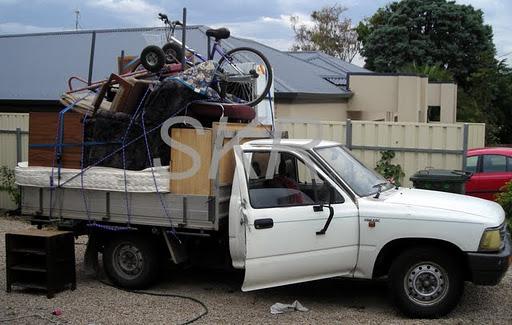
Oh, here’s a picture I wanted to share from earlier in the week – a couple of awesome friends came round to move the heavy furniture for me, and decided to do it all in one trip!

I’ve never seen a ute loaded so high! But, it worked, nothing fell off. 🙂

I’m short of various bits of furniture so I’ve been bidding on second hand items on ebay and scored a few useful items cheaply which I’m very happy about. I don’t have my books moved yet and most of the place is still covered in boxes but I’m probably not going to get too much more done yet as I need to write a new Dissociation Link for this month and prepare for the trip to Broken Hill next week! I can’t wait! I need to choose, print and rehearse a collection of poems to read. I quite enjoyed selecting some old poems to schedule for this week that I wouldn’t have easy net access. Some of them may even come with me to Broken Hill…

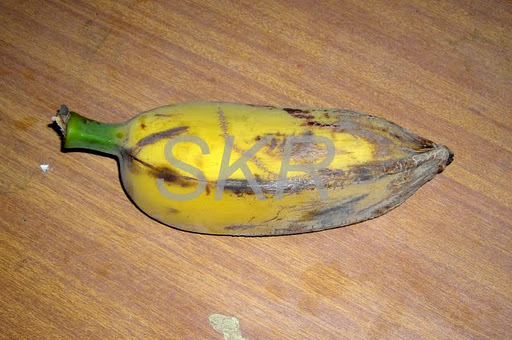
I’ve met several of my neighbours and they’ve been very friendly and welcoming. It seems like a really nice area – although I was told tonight that my unit was once deliberately set on fire with kerosene when a previous occupant was here. Yikes! One of my neighbours is a gardener and gave me this lovely home-grown banana tonight:

Yum!

Poem – Blue coat

This one is also a few years old. Most of the poetry I post here isn’t current in fact. I like to let them sit for a couple of years before sharing, usually.

Taking from the back of the robe
my blue coat, for the first
cold night of autumn

I wonder if it will ever change
this sense of living in 
   someone else’s novel
badly written at that

The haunting feeling of unreality
as if I am a walking cliché
too improbable to be real.

What is the term for it?
Structural dissociation
Derealisation.
The long words of the new science
trying to pin down the darkness
bring it closer, strip it of terror.

Who am I?
One day I will have to stop
   asking myself this.
I will have to live while 
   there’s still time.

Update on the big move…

Well, I hope you’ve been enjoying some poetry lately as a bit of a change from news updates, art, or pontificating about mental health. 🙂 I’ve just started sleeping at the new place over the past couple of nights, and all is going well! The plumber came by and sorted out the shower, I bought a second hand washing machine on ebay and had it delivered and installed last night, the fridge and freezer are in, and I’ve gone shopping for various essentials like milk, butter, bread, hand soap, dishwashing liquid, and so on. Last night I was able to wash all my glasses, mugs, small bowls, and cutlery, I plan to work my way through every item that was in storage.

Today was a very busy day with a lot of appointments, but an exciting one! I went to see my GP about all the facial pain, and she was also concerned about the stress lots of painkillers is putting on my liver. We’re going to try a different med for a month and see if it’s able to replace or largely replace painkillers in managing the TMJ. Fingers crossed, I’ll start on it tonight. Tomorrow I go off to the dentist to check the teeth and nerves. Hopefully he wont do too much digging around. (before Bridges – Bridges is still on – I might just not talk very much)

I’ve also been to Tafe to start the enrolment process today (there’s a number of steps). I’m very excited about this! I’m also a bit anxious about how much I’m taking on and how my health will stand up. I was going to do only one Visual Arts subject as I’m also doing the Cert IV Peer Work full time this semester… but when I got in there the lady gave me the list of part time first year subjects – and there’s a lot of them! I felt embarrassed to only sign on for one, so I ended up signing up for three, one semester long (Art History), and two term long. In first term I’ll also be doing Ceramics, then in second term Sculpture.

That may have been a little bit silly. Please take note that continuing to work on your assertiveness skills is very useful at preventing this kind of situation.

I had to make a quick decision how to divide up my week, whether to pack lots of things into a couple of days and have more days at home, or whether to keep the days shorter but be out of the house more often. Hard call! I went for shorter days, so my schedule is going to look something like this:

Monday: 9.30am – 3.30pm Peer Work
Tuesday: 6.30pm – 8.30pm Art History
Wednesday: 5.30pm – 8.30pm Ceramics (Term 1); Sculpture (Term 2)
Thursday: 9.30am – 3.30pm Peer Work
Friday: 12noon – 5pm Bridges/Dissociative Initiative
Saturday: Homework/Housework/Socialising/Downtime
Sunday: ditto

I think I can do it!
There’ll also be some erratic work as a Lead Facilitator (giving talks) at Mifsa in there – but the night classes are great for keeping my days free and letting me get a sleep in which I’ll probably need! I’m also keen to schedule some specific time to keep working on the Dissociative Initiative every week.

Orientation is in a fortnight and I’m very excited about it! I also saw a disability officer this evening to update my Tafe Access Plan – this means I’m allowed extensions and given other support if my conditions flare up and I’m unwell for a little while. She was lovely and reacted well to both the physical and psychiatric issues so I’m very pleased to have her on board! I’m so excited to be doing a degree again! It’s been such a long road and a lot of failure, frustration, disappointment and discouragement along the way. A number of years ago it felt like a huge risk to put aside the degree and start really small with short WEA classes. That path has certainly paid off for me, small steps have gradually built up my strength and confidence and here I am, now tackling an undergraduate degree at last! I applied for credit transfer for the single subjects I have already completed and was told that will go through without a hitch. It’s also a very nice surprise that the subjects are much cheaper to do as part of the degree than they were for me as a single-subject enrolment. So my finances won’t be too badly stretched by the training costs. 🙂

My internet should be up and running tomorrow, and tonight I’m taking home my dog Charlie, and the sick cat Loki for the first time. Exciting times!

Poem – Outside it rains softly

outside it rains softly 
inside the incense burns
music plays and my eyes
are full of the shadows of rushes
thistledown drifts past my face
i am alone here
and the world has not ended
i am the only one left awake in the world
i am the only one left alive in the world
with my lungs full of incense
and lights in my hair
the trees sing a watchful lullaby
but i will never sleep here
i am alone but the emptiness
does not devour me
i don’t remember loneliness
those days are gone
my eyes are dark and my hair
smells of incense.
those days are gone, love.

Poem – Rainmoths

Two am
The white moon rises
into the embrace
of luminescent gumtrees
Smooth fleshed and supple limbed
it is netted but not caught
sailing free through an indigo sea.


My candle kisses its reflection
music plays in another room
there is peace here,
and the smell of freedom on the cool wind


Outside, rainmoths have risen from their cocoons
to beat the silvery air with wings of dust
and cling to walls and trees
shivering away from the cruelty of children and cats
Trusting their huge soft bodies to us
these fragile angels of December
Reminding us that life is brief
reminding us to be kind.

Poem – On a hill by the sea

While I’m on the topic of poems about homes I’ve had, here’s one from 2009 about a unit I lived in at Henley Beach.


Here, in my house on a hill by the sea
I feel myself begin to heal.
When I stand by the water
I no longer feel that call to flee.
When I pass drains I no longer
resist the desire to disappear
into the shadows.
An agony eases a little inside me.
The tree is no longer burning
in the wind, flame raging
in the hot breath of the desert.
I am no longer drowning 
in the dark water, hearing blood
scream in my ears, the deep
burning aching need for air.
Beached by the waves, planted
in sand I cough up oil and bile
New buds appear on burnt and withered limbs
My starved and maddened brain
brings forth new dreams.

The move continues

Well, being short of money to hire a moving van means this has been a very long process. But, progress is being made! I now have gas and electricity! And an appointment for the plumber to turn up this week and fix the shower. So, by the end of this week the basics should be up and running. Just in time for me to bunk off to Broken Hill for the poetry event. Hells bells. Most of this week I’m supposed to be about 6 places at once – home for various people to turn up and fix things, (the internet guy is coming sometime in an 11 hour window I have to be at home for!) moving stuff, medical appointments, and all the Tafe start-up and enrolment process. I am feeling a little stretched!

kitcheny things

I’m bidding on a few bits of essential furniture on ebay hoping to pick some things up cheaply secondhand, with delivery. I’ve got my eye on a washing machine, and I was winning the bid for a tiny extending table and four chairs until the seller pulled the sale. I’m a tiny bit over it all!

Today was a darn long day. I was up early to meet the guy who’s towing our dead van for repairs – they got the time wrong and turned up an hour late. Then trekked off for a counselling appointment and got myself confused and arrived an hour early. 😦 The appointment itself was great but wow, left me really stirred up and distracted. Managed to get home okay to down more painkillers and yoghurt, pack up another load of boxes into the car and head off to the new place…

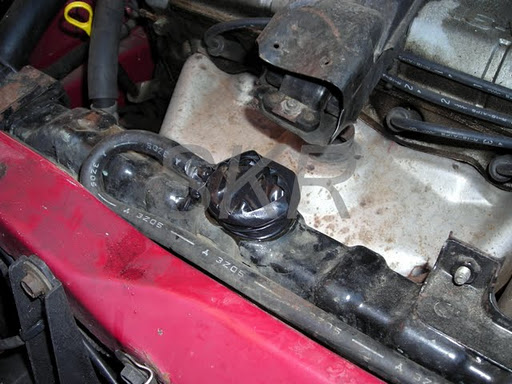
…only to overheat and breakdown at a busy intersection in peak hour. Man, it was hot! The radiator had actually blown the cap right off – a thorough search didn’t turn it up. The RAA turned up after about 20 minutes and the chap duct taped up the radiator opening after coaxing some water into it. (I’m NOT recommending this!) It started so I coasted it home to the unit, my friend unloaded for me, and we called a taxi back to my old address – where my bed and fridge and various other essentials still are.

temporary radiator cap… worked okay!

Tomorrow now has “buy Radiator cap” top of the agenda, and it’s going to be very darn hot. I don’t cope so well in hot weather, and I’m so tuckered out I’m pretty useless at the moment in cooler weather. 😦 I get heatstroke easily which feels absolutely horrible and can last for days. So I’m not expecting to be much use tomorrow, but it was the only day a mate could come by with a ute. We’ll get through it… Hopefully we’ll get all the big heavy stuff done and tomorrow night will be my first night at the new place. I’m looking forward to it in an abstract, exhausted and painkiller-foggy kind of way. It’s going to take me forever to find everything again.

I’ve unpacked a lot of the kitchen gear and put it into the cupboards. My kitchen stuff has been in storage for a couple of years as the place I’ve been living has a kitchen kitted out with my housemate’s stuff. A few tins of food burst, and a packet of sugar tore, spilled, and melted into molasses onto stuff. Everything is full of dead insects and mouse poo, so I have a lot of dishwashing ahead of me. Siiiiiigggghhhh.

I was also able to wrangle last minute appointments with my gp and dentist this week, so hopefully one of them can help me get back on top of this facial pain. I can’t afford to keep trekking off the physio when it gets bad again every two weeks.

Assuming I can get my car running again that is. That could clear my schedule fairly emphatically! Sigh. It’s never simple, is it. I was so excited that this was a good move, an exciting move to a wonderful place, one I want to make and have been dreaming of! I miss all my stuff. I can’t think straight. All my anchors are packed up, everything is messy and chaotic and I’m trying to keep track of important paperwork and everything I’ll need for Broken Hill, enrolling in Tafe, and the Melbourne trip in case I can’t find them later… I have a very large box with one of most terrifying labels that can be written on a box when you’re moving – “Paperwork, Current”. Ye gods. I’m looking forward to this being over!

What do I have against positive thinking?

Let me caveat this by saying some of my friends love positive thinking. It clearly helps them to stay optimistic, look on the bright side, count their blessings, and make the most of things. I wouldn’t dream of trying to take it away from them or argue with them about it. People come from different places, react against different things and find different ideas helpful. But for me – I hate it. Positive thinking and I have a painful history.

When I was young several of my role models were great believers in positive thinking. I admired their attitude and absorbed all of their ideas about how to best live life. I took copious notes during talks, about overcoming adversity, always finding the silver lining, looking for the best in people, never giving up, and always remaining positive no matter what.

I fervently believed these ideas and lived by them. This had a number of unforeseen outcomes. I was incapable of believing ill of anyone, and therefore incapable of protecting myself from the school bullies. I behaved in a painfully naive manner, always looking for the best in people and frequently being taken advantage of. Never giving up meant I was unable to walk away from anything, any project, any relationship. If I failed at something it simply showed I had not tried hard enough. If a relationship died it evidenced my lack of extraordinary effort.

Having to be positive all the time left me incapable of expressing anything ‘negative’ without guilt. To cry, feel overwhelmed or afraid was to be weak. I never considered that my ‘dark moods’ may have a kernel of insight to them, whereas my ‘sunny days’ may be more about self-delusion than reality. I ignored every uncomfortable feeling, all those instincts that say ‘this worries me’, ‘they seem scary’, ‘I don’t like this’. I hoped for the best, forgave, turned the other cheek. I didn’t know that sometimes you need to be shrewd, cautious, un-trusting, and self-protective.

I’ve come through things that made me reject the ideas of positive thinking. I’ve been in situations where my best efforts were not enough. I’ve loved and risked and dreamed and been broken when I lost everything. I’ve learned there are many things I cannot control, and that running from pain strips me of all feeling. I’ve learned that we call it a risk because you may lose. I’ve learned that that point in the movie, where you appeal to their better nature and they melt, they just cannot treat you that badly after all – that there are people who reach that point and merely laugh at your naiveté. The world can be a very unkind place to people with Pollyanna ideals. And people with Pollyanna ideals may ignore all evidence of pain or abuse for someone else because they are too busy looking on the bright side and believing the best of people. It’s been hard for me to come to terms with that. It’s hard when nice people don’t want to know what’s really happening.

In my teen years I gravitated towards the goth subculture, because there I found people who ignored the conventions and expressed pain. When they felt bound and trapped they wore chains. I could not escape but I could at least protest. I could reject the conventions that silenced me, and find other ways to have a voice, and to speak my own truths instead of the scripts given to me.

My personal philosophy is oriented more to the idea of trying to be authentic than to be positive. I gravitate more to the idea of telling myself the truth than trying to believe affirmations that deep down, I simply reject. I don’t like fighting myself like that, and I don’t like feeling that I’m building castles in the air, that while I’m hopeful I can believe all these wonderful things but there may or may not be any reality to them. So when I’m exhausted, frightened or depressed, all my foundations disappear. I like to hold onto things I can still half believe when I’m in a black place. I also crave the freedom to be honest about how I’m feeling.

I think most people who are unwell feel the pressure to be positive. Children dying of cancer who are still cheerful are held up to us as examples. This burns in me. It feels like being silenced. One more time when I have to pretend the bad things aren’t happening, that I’m not in pain, not afraid, not dying inside. I’m scared by how many times I hear after someone has killed themselves – we didn’t know anything was wrong. I’m scared and angry that people in pain feel they have to keep it secret. I’m tired of making a secret of suffering.   I’m tired of being cheered up when what I want is connection, when I want are relationships that make it easy for me to be honest and hard for me to tell even sweet lies – instead of the opposite.

So for me, I’m always trying to hold onto my voice, to accept what I really feel, what I really think, or fear, or hope. I crave authenticity. I crave the strength to be honest. I want to speak the truth, even when the truth is horrific. I am a very positive person, I have a deep love of life and a dogged pursuit of hope. But I reach this almost by going in the opposite direction, by going down into black places, into bleakness, rage, despair, loss. I embrace these things rather than run from them. I want to be able to be real to the people around me. I want not to have to lie, not to wear a smiling mask over pain or emptiness. I want for people to be able to trust my smile and my tears. I want to be known. Somehow my journey brings me towards hope, joy, self compassion, and so many of the things I know those who love to think positive are also seeking. I just need to take a different road.

Poem – My Ship

Written back in 2006 when I moved into a caravan.

Look at my home!
So flimsy, so fragile
The timbers thin as a bubble,
Frail as tissue paper skin hung
On a wire skeleton
Like a kite in the autumn air,
A montgolfier in the sky
A Chinese lantern, set to sail
The dark river, with a prayer of light
A paper boat, stuffed with dreams
A shadow theatre made of sheets and lamps,
A circus tent, billowing magic,
It is a frail and perfect thing, my home
A drum beneath the rain,
A flag upon the wind
It shrinks from fire
But fills with warmth
   from only a candle flame
So sensitive, so permeable, so safe
The perfect home for the artist poet
Seeking farer weather and kinder winds.

More good news

Honestly, I can’t take much more of this! Between all the good news and the sleep deprivation, my head is about to fall off! Yesterday I signed for the new unit and was given the keys! Everything went very well, with the slight hiccup that the old shower rose has rusted off and apparently the maintenance person went to the wrong address and kindly gave some random person a new shower rose. They were most friendly and apologetic and promised me a plumber would call yesterday to come round and replace it. I haven’t heard from anyone yet. I feel that moving in and not showering for a week is not the best impression to make on my new neighbours. My electricity and gas were supposed to be connected on Thursday but still haven’t been either. On Friday 20th the Internet should be up and running.

I’ve met and said hello to some of my new neighbours, the block seems very quiet and peaceful. Apparently my 60ish year old neighbour next door was the youngest person in our complex until my arrival!

More good news in the post – I’ve been officially accepted into the Bachelor of Visual Arts and Design at Adelaide College of the Arts (that’s the nice big silvery Tafe building on Light Square)! I accepted the offer last night. I’ve been doing subjects from this degree piecemeal as a single subject enrolment over the last couple of years, so now I just need to apply for credit transfer and they’ll count towards my degree. I wanted to enrol in the degree in 2011, but they wouldn’t allow me to as I was going to Singapore and would miss part of the first Semester. Fortunately my old school grades still counted so I was able to apply on the back of those. I’ll start this at the same time as the Cert IV in Peer Work, but only do the Visual Art part time so I can do the Peer Work Cert full time.

I’m having trouble with sleep and pain at the moment with everything going on. I’m not getting to sleep until about 5am most nights, and I’ve been having trouble with TMJ over the past four or five months (pain in my jaw, possibly related to my fibromyalgia) which is waking me up around 8am. Physio and painkillers are helping but not enough, I’m starting to think I have a rotten tooth setting everything off. I already see far too much of my wonderful dentist but I think another visit is in order. 😦

In the meantime, naps whenever I can get them to catch up on sleep, not doing much before midday when I’m foggy and disoriented where possible, and stocking on up on easy food (no prep, no chewing!) to make sure I still eat during the move is my plan.

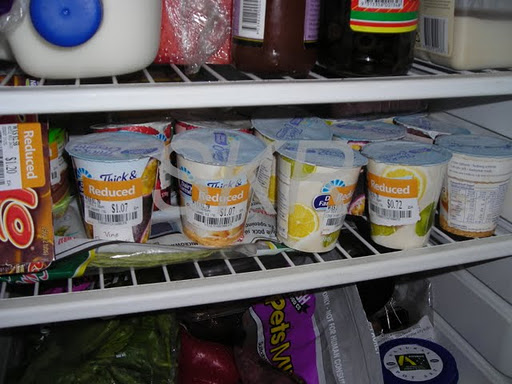
There was a special on yoghurt at my local supermarket so I’m all set. 🙂 I love those small bags of baby spinach you can buy for a couple of dollars too. With some high quality balsamic vinegar, you have an instant salad. That should help keep me going!

Blog improvements

There’s been some updates to how my blog platform “Blogger” works! I’m very pleased about these, I’ve been hoping for an improvement like this for a while. 🙂 Now when someone leaves a comment, any of us have the option to reply specifically to their comment if we wish, using the Reply button directly beneath their comment. Of course, you can still leave a general comment on the blog by just writing in the comment window as usual. You can also click on the “Subscribe by email” option at the bottom right of every post.

A post is a blog article, the word blog refers to the whole sheebang – all the posts and pages and photos etc. The option to subscribe means that if you leave a comment, or were interested in a conversation that was happening in the comments, you can subscribe just to the comments on that one post so that you get an email whenever a new comment is made on just that post. That way you don’t have to keep checking back to see if I’ve written back to you or there have been any more developments! I hope you’ll find that useful. 🙂

If you write a blog yourself or are interested in how blogs work, you can learn more about the blogger platform and updates to it at Blogger Buzz.

Great news and events!

Today I found out I was accepted into the inaugural Cert IV Peer Work course! I’m very excited about that. 🙂 I’m still waiting to hear if I’ve been accepted into a Visual Arts course too, hopefully by mid-month I’ll know. Obviously that one will be done part time! A Cert IV will be a boost to my resume and I know a few of the other people who’ll be studying with me so I’m sure we’ll have a good time talking about Peer Work together. I also know a couple of people who didn’t get in, which is upsetting. Hopefully the course will be run many more times for all the other hopefuls!

There’s also some information days coming up about Lifeline Telephone Counsellor Training, which was my backup plan if I didn’t make it into the Peer Work cert. Maybe next year 🙂 If you’re interested in learning more, check What’s On for the details.

For those of you who were interested in the Voices Conference in Melbourne in February, but perhaps couldn’t get the funds together or time off work, I’ve just heard they are going to host a “Mad Pride” event on the Thursday evening that’s free and open to everyone! So if you’re in the area, consider coming along. If I’m still standing I plan to be there. 🙂 See What’s On for details.

Tomorrow I sign for my new place and collect the keys, all going to plan! I still have the rest of my studio to pack and clothes/shoes etc. I’m very excited!!

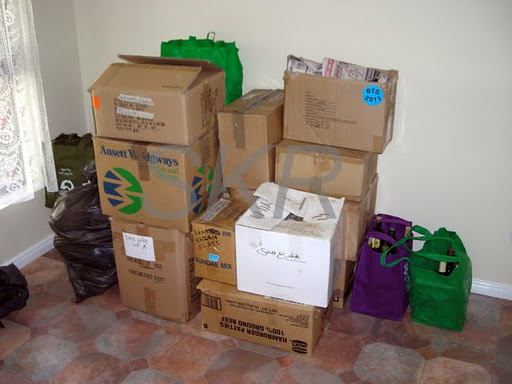
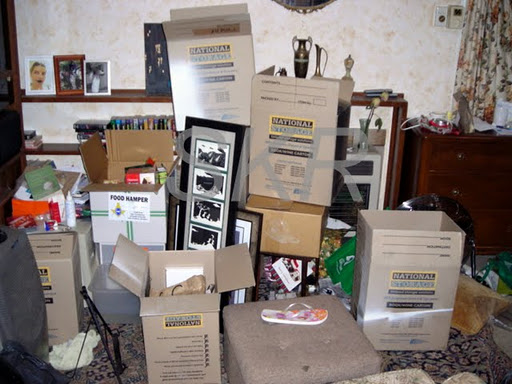
The packing is at that funny stage where half the house is trashed and the other half is cleaner than it’s been in ages. Obviously, this is the trashed half:

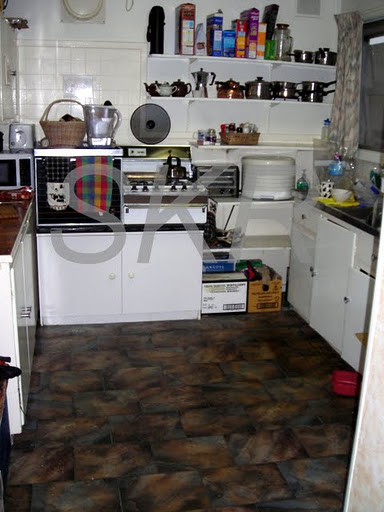
And the kitchen is neater than since I’ve lived here!

I need to spend some time with my diary and work out which training fits where and how many of my other planned activities I can fit in… I’ve been hoping to start some training with Radio Adelaide… and the SmART course when that comes round again in early Feb… oh dear, I think I’m over booked! What a delightful problem to have after those years of trying to find things to fill my time. 

Survival lessons

Some time ago I became curious about what qualities and skills people use to survive extremely harsh environments, such as polar expeditions. I wondered if there was any overlap with the kind of skills needed to survive harsh environments closer to home, such as an abusive family or chronic serious illness.

I’ve read a couple of books about factors that influence survival and come across some interesting ideas, such as the notion that survivors of extreme circumstances seem to share an unrelenting will to live. It seems that perhaps some people reach a point where the cost to keep living is too high. The pain is too great, or the despair, the things they would have to do are too awful or exhausting. Others drive to live is so strong they will severe trapped limbs, drink their own urine, stagger for hundreds of miles. That’s not to suggest that the will to survive is the only factor – luck, skill, experience also play roles. Sometimes it doesn’t matter how hard you try, you simply can’t find your way back to safety. I’m also not suggesting that those who curl up and surrender to overwhelming circumstances are weaker or inferior. Both defiance and acceptance have their place in how we respond to the world. Sometimes those who defy, triumph, other times they do terrible things in their determination to live. Sometimes we mourn those who gave up before help arrive, other times we venerate those who refused to be dehumanised, who gave up their food or wrapped the last blanket around someone else. Sometimes we just mourn the loss of someone who faced hopeless and overwhelming circumstances.

It seems to me that there’s a lot of parallels between situations involving starvation, hypothermia, drowning, being lost or cut off from safety in an inhospitable environment, and those many of us face in our personal lives, children who are being abused, people living in violent homes, a family member struggling with a life threatening illness, those of us who instead face loneliness, humiliation, shame, grief, misery, hopelessness, or fear. The nature of the threat may be very different but the need to find a way through it, ways and reasons to endure or escape, and a way to balance survival and morality, these seem very similar to me.

I once watched a documentary, the name of which escapes me, about how men in the polar regions coped with such a difficult environment. It put forward an interesting idea that stuck with me, that the key to navigating a stressful environment with chronic unpredictable crises, is to be able to respond very quickly to the development of a crisis, and then to wind down afterwards equally quickly. They had as an example a fire in the campsite. A fire in the poles is incredibly dangerous, most of the water is frozen ice or snow so it can be difficult to put out, and all supplies are terribly precious and difficult to replace, possibly the difference between life and death. Men who had been dozing, reading or relaxing playing cards were shown rushing to action. In a heartbeat they ran out to the fire and efficiently had it under control. Having responded to the emergency, they came back to their quarters and returned to dozing, reading and playing cards. They said these were key survival skills, to respond very quickly, and to get out of crisis mode very quickly. Sustained crisis mode is very dangerous, burning energy very fast like running on turbo. You can’t afford to be depleted in a survival situation.

When I thought about how I manage crises like this I decided I do pretty well at responding quickly. I tend to be the first person to spring into action in a first aid situation, I’ve helped out at fires, talked to suicidal people, nursed dying pets to the vet, and so on. I’m good at recognising and quickly responding. I’m not so good at the wind down afterwards. Having gone into high alert crisis mode, I tend to stay there for hours or days. I find it really difficult to wind back down to regular functioning. I think cats are amazing at this, they go from sleeping to manic to sleeping again with barely a pause between. One of the things I’ve noticed for me is that staying in crisis mode exhausts me. It also ‘stacks’ the crises, instead of separating them into distinct experiences. What I mean is that without getting any downtime between events, each crisis feels worse than the one before. Each exhausts me further, leaves me more depleted and discouraged, life starts to feel like I’m under siege, an army camped at my gates, staring at a larder of dwindling supplies.

Working on coming down between crises can be hard. Once you’re all wound up and on high alert and running on adrenaline, there can be a warped logic that says ‘Oh we’re here now, might as well stay here, the next crisis wont be far off anyway’. Without downtime though, you never get to restock your larder. You are like an engine in neutral with the pedal to the floor, accomplishing nothing but burning fuel. We can’t function well when we don’t get the chance to take breaks, wind down to normal functioning, and take something in. Whatever nourishes you – reading, touching base with a friend, gardening, playing music, having a bath, going for a run, having a good laugh, playing with kids, sports… whatever it is you need it. You have to take time out of crisis mode and take in some sustenance. It doesn’t matter what the nature of your difficult environment is, whether it’s something you’re working to change or something you can’t, whether the stress is physical illness, abuse, mental illness, family breakdown, financial crisis, housing stress… one of the things that may help you get through is to resolve that every minute that something terrible is not happening right now you will wind down and replenish. It doesn’t matter if you’re having Monty Python film nights between visits to the hospital, or snatching 20 minutes to tend a garden, anything that breaks up the unrelenting stress and nourishes you will help you survive, endure or escape.

Anything in your life that you can enjoy or appreciate will nourish your spirit. In times when I’ve been struggling with suicidal feelings I’ve reminded myself of prisoners of war starving, of their joy when released at such ordinary luxuries as salt on their food or soap when bathing. Not to belittle my own struggles or make me feel guilty, but to remind me to tune in to these things. To feel the softness of soap bubbles on my hands, the cool clean water running through my fingers. How good it feels to drink when you’re thirsty, to wash your face when you’re hot and tired, to stand barefoot in the warm dust, in the cold mud, on the cool earth.

They don’t make up for the pain of whatever you’re going through, maybe nothing can do that. But they break the pain down into parts, the crises into mouthfuls instead of unrelenting distress that goes on for weeks, months, years, and strips every resource, every last bit of energy, hope, optimism and tenderness from us. Just a moment can give us a little sustenance, and can break up the bad times. You don’t want to have bad years. You can break it down to bad hours, bad days, bad times, with good times between, with peaceful times, with a little pleasure or silliness or rest. Last year for me was a very bad year. It was also a very good year, because I’ve been fortunate enough to have opportunities arise, people who care about me, and because I work on snatching back any moment I can to get out of crisis mode. I’ve written more about this idea in Self Care and a Myth of Crisis Mode.

If we can teach soldiers and explorers skills to cope with harsh environments, I can’t see why the rest of us can’t borrow some of the ideas and apply them to our own lives.

Packing up to move

Ugh, the novelty has worn off already. I’ve at least got a nice collection of green bags, boxes and garbage bags piling up ready to shuffled off to the new place on the weekend.

Hurrah! And I spent yesterday getting the gas, electricity and internet arranged. I’ve also put in my order for ink samples and two new (very inexpensive) fountain pens with Goulet Pens, I am desperately excited about them and already haiga are bubbling away in my mind, fitting themselves to different ink tones. It’ll be a few weeks before I have the net at my new place so the blogging might have to be a little patchy for awhile. I’ll do my best. Thankfully I wont be totally cut off as I have a little data included on my phone plan. I like being on the internet. I feel all connected and in the loop. I remember when I was in the homeless shelter, my mobile phone was my lifeline to the outside world. I was so attached to I slept with it in my hand. I feel a little bit that way about my computer now, although we have a more formal, restrained relationship and it stays on my desk. 🙂

If all goes well and I’m paid today I’m off to pay the deposit and advance rent on my unit, and get down to some more packing. Wish me luck!

Do you have to remember/talk about trauma?

A query that sometimes comes up is whether healing from trauma means having to dig up all your most painful memories. This is a bit of a trauma myth too, in that plenty of people, sometimes including those who work in mental health, are under the impression that is what healing from trauma is all about. I would certainly dispute that, as would many of those who work and write in the trauma field. In my experience, memory work is often handled poorly. There are therapists who start therapy with asking a client to talk about their most painful memories. They tend to skip the most important first stages of building rapport, developing trust, establishing the primary symptoms and/or diagnosis, establishing safety, and developing considerable self care skills. Without this foundation, digging into painful memories may demolish someone’s ability to function and stay safe.

I’ve had many first appointments with mental health professionals over the years, so I’ve had some time to learn the standard assessments that psychiatrists and other professionals are taught to give. It’s always very interesting to me how each person interprets this, and I’m always curious to see which symptoms are inquired about and which are ignored. For example, I’ve never been asked any questions related to dissociative symptoms, and the entire psychotic spectrum are sometimes forgotten as well. There are occasionally enquiries about  trauma and these tend to be the most insensitive and unhelpful possible. I was once asked by a psychiatrist to rank each of my traumatic experiences in order of most to least traumatic. I explained that this was not possible, that I had more than one incident that was for me a 10/10. This particular doctor seemed quite irritated by this and explained to me that as my “life has been a train wreck” he had no interest in working with me. The feeling at that point was rather mutual. These kind of first appointments invariably left me quite shattered, the effort of talking about traumatic events with no care or concern on the part of the doctor, trying to recall precise factual details and dates and not cry or express unwanted emotion was extremely unhelpful. I had to space out these kind of appointments with weeks or months between as they left me extremely raw and shaken.

Likewise, there has to be a purpose and a gentleness to going over trauma memories. Talking about them does not in and of itself, magically heal anything! Talking about them when you don’t really want to, when the timing and choice are not yours, and in an environment or to a person who does not feel safe and caring may actually only traumatise you further. This is important to keep in mind, as quite a lot of the harm that many traumatised people experience isn’t just due to the actual events, but also to how they are treated after the incident/s or when they seek support.

Talking about what happened can help, but the reason this helps is because of things like – having a chance to express how you felt about things, feeling heard by another person, having someone else help you to reframe the experience (‘you did nothing wrong and have nothing to feel ashamed about’ for example), getting the opportunity to think through and make sense of things that at the time were chaotic and surreal, starting to be able to orient the memories in the past so they feel like they happened rather than are happening to you… Some people with amnesia for traumatic events find that remembering can be a relief in a way, to know what happened and not be wondering. On the other hand, others find that their focus is in the here and now, building a good life, and that process shouldn’t be disrupted to go hash over the very life they’ve just escaped from. Trauma work of any kind is supposed to support and complement the work you are doing in your life and your focus of energy, not interrupt and divert it. Everything has its own time and that time is different for everyone. Talking about memories because you feel you have to, because you’re afraid you won’t get better otherwise, with someone you don’t connect with, in a way that makes you feel more shameful, more hurt, and more alone isn’t going to make anything any better!

One of the most common feelings that many traumatised people have is ambivalence. That doesn’t mean not being sure what you feel, it means feeling more than one contradictory feeling. You may want to talk and not talk, or to remember and not remember, both very strongly. It can be really difficult at times to work out which feeling to follow, which instinct is taking you in the right direction, and which will lead you to an unsafe place. I sympathise! I’ve found that over time with some thinking about it, I can start to unpick what drives each feeling, the wanting to talk may be motivated by fear that I wont make progress, even though I feel really unsafe with the person I’m going to talk to. In that case I’d not share. Or it might be that the wanting not to talk is being driven by old childhood fears that telling secrets will get me into trouble. I can’t give you a way to easily work out which impulse to follow, only to say that if you’re unsure, wait a while, and if need be mentally try on each idea for a little while and see how it feels. If you find your stress going through the roof and all your symptoms increasing – maybe that’s not the way to go. If on the other hand some internal distress settles and you feel less overwhelmed – that sounds like the right path for you at the moment.

If you can’t work it out, perhaps don’t act on either and see if time changes things or things become clearer. If you just feel stuck, perhaps try to act out each impulse in a very small way – if it becomes clear that one road is not helpful you haven’t done anything too wildly disruptive and should be able to ride out the distress, gather yourself, and give the other road a try. This isn’t an all or nothing deal either, it might be that you feel okay talking about x and y but z is completely off limits at the moment. That’s okay – you’re the one responsible for taking care of you. It’s also pretty common for us traumatised folks to do things at the extreme and think of things in polarised way – either I tell all or nothing, either that person is 100% safe or completely unsafe. Most of life and a lot of trauma work is about being able to reclaim a bit of grey and try out small steps instead of swinging wildly from one extreme to another. It’s okay to take these things slowly, and if you try something that doesn’t work, oh well. We’ve all been there. Hang tight and settle and give something else a go.

If you’re in a spot in your life where it feels like digging into memories wouldn’t be helpful, I’d like to recommend considering taking a look at 8 Keys to Safe Trauma Recovery by Babette Rothschild. She has a whole chapter about how it’s entirely up to you whether you feel remembering and talking about the trauma would help, and some ideas on how to talk to a therapist about your feelings and choices, and other things you can do to support yourself instead. If you are in a place where you feel a need to talk about what happened, to feel heard and be able to express how it felt and you’d like to learn more about how this process might happen and how it could help, you might find Facing the Wolf by Theresa S Alexander a useful resource. It details eight sessions of working through painful memories from the perspective of both the therapist and client. (of course, please be aware that this does involve memories of child physical/emotional abuse and neglect) I’d also like to mention that if you do not have a therapist, or do not have a good relationship with one, don’t forget that a friend, helpline, or your own journal can all be places where memory work happens. While therapy can be a wonderful support, a great deal of our healing and hope is also developed in the rest of our lives. Good luck with whatever you decide to do. 🙂

Inks

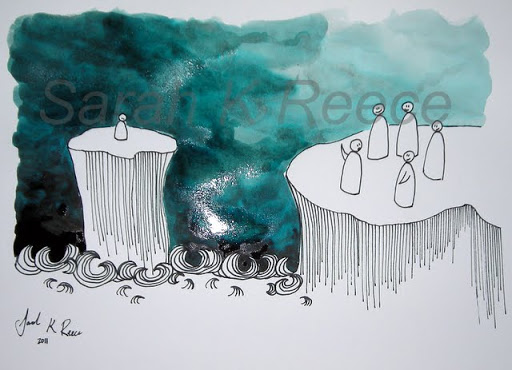
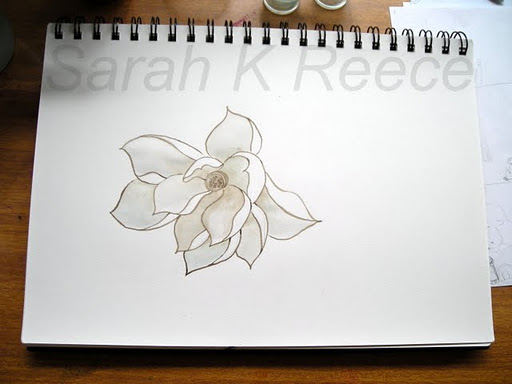
What have I been up to? Today, apart from doing a great deal of packing, a little online gaming to relax, and some cooking and cleaning, I’ve been looking into inks. I have a little money set aside from the sale of artwork last year and I’ve decided that I need to branch out and broaden my fountain pen ink collection. Currently most of my work is produced with a single ink colour Noodlers Air Corp Blue Black. I purchased a bottle about three years ago and fell in love with the magnificent depth of colour and array of blue greens tones I can get out of the one bottle simply by watering the colour. Most of my ink paintings have been done with just this one ink, the colour undiluted is almost black, and fades out to the softest teal. (here it is, still a bit wet)

So I’ve been reading a lot of reviews about inks! If you are also interested in fountain pen inks, check out Pendamonium, an Australian online store with a good range of Noodlers Inks. You may also find The Fountain Pen Network full of interesting information. I follow a blog called Inkophile that often has useful reviews of different products. And I’m seriously investigating the samples available from The Goulet Pen Company, which would give me a week or two with each colour I order before I decide on those I’ll buy in the full size. They offer a deal where for $12.50 a month they’ll send you five random ink samples, which if I was a bit more flush I’d take up in a heartbeat! They also stock the Noodlers Flex Nib fountain pen for $15, which is simply incredible. Not the easiest kind of pen to use, but I think it’s well worth me having a play with it considering that my preferred style of ink painting is pen and ink work then brush work. I have painted with brush only, using drawing inks (these cannot be used in fountain pens) such as in this range:

Whilst I really do enjoy that also, I am very comfortable with my fountain pen, and I love the constant transition between poetry and art with it.

I’d love to explore some red inks, there’s a stunning range of orange/gold/fire coloured inks, and a fascinating collection of near blacks with different tones such as green or purple that I suspect would lend themselves well to the type of ink painting I do. I’m also vaguely tempted to stock up on my favourite blue black in case one day I can’t get hold of it – that would bring me to tears. 🙂 I love complex colours with a tendency to shade in different complementary tones. Some people prefer inks with no shading and a flat true tone, but the variations so appeal to me with my kind of art.

I brought my fountain pen – a fairly cheap Parker pen, a number of years ago after placing second in a poetry competition and winning $150 in prize money. I was terribly nervous that I would lose it accidentally, but I so loved them and dearly wanted one so I took the risk. Many years later it is still with me, I write almost every day with it in my journal and use it in a lot of my art. It’s very dear to me and I’m very excited by the prospect of having a larger range of inks to use in it. The thought of really putting some time into some haiga with it is really tickling my fancy.

I’d also quite like to experiment sometime with some different types of papers to see how the pen and ink display on each, so I’m keeping my eye out for paper samples too. There’s a few that are frequently recommended, maybe I’ll splash out and order a notepad. 

My critters

On a lighter note… these are the lovely critters owned by myself and/or other family members. About time I introduced them. 🙂

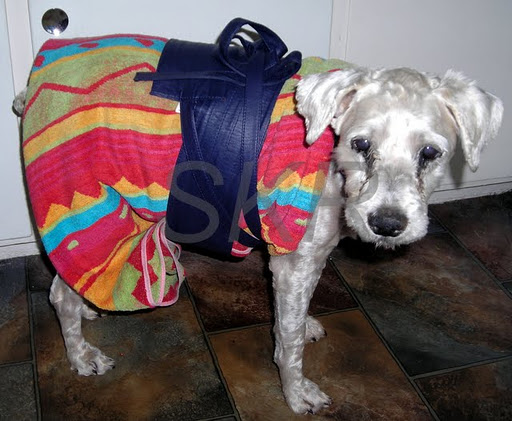
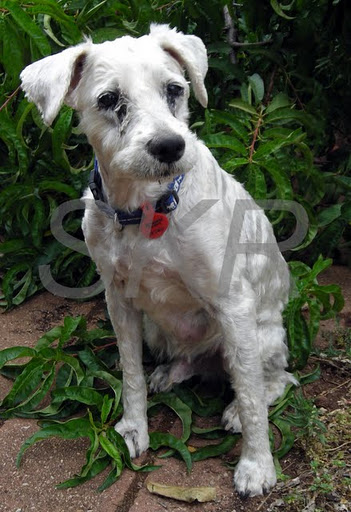
This is my little dog Charlie:

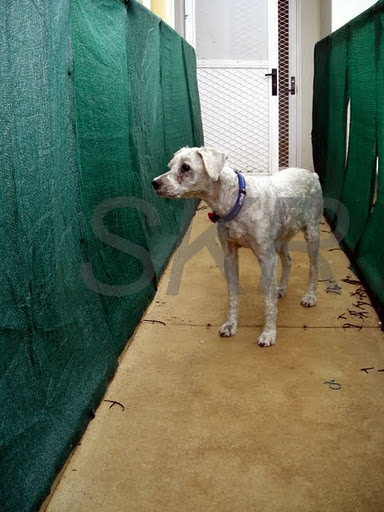
He’s looking pretty spiffy at the moment because I just had him washed and clipped recently. He’s about 10 years old, a mini schnauzer cross maltese. He usually has big whiskers and eyebrows like a scottie dog, but they’ve been clipped so he doesn’t fill them up with prickles. His health isn’t good, he’s completely blind, has chronic ear infections and a grade 5 heart murmur which is pretty bad. He loves short walks and hasn’t really worked out he’s blind now, so he walks into things or falls off edges like the gutter a lot if he’s not well supervised. My little backyard will be perfect for him, and no steps to get back into the house. 🙂 Where I am now the backyard is accessed by a ramp, so we’ve had to border it with shadecloth otherwise he falls off:

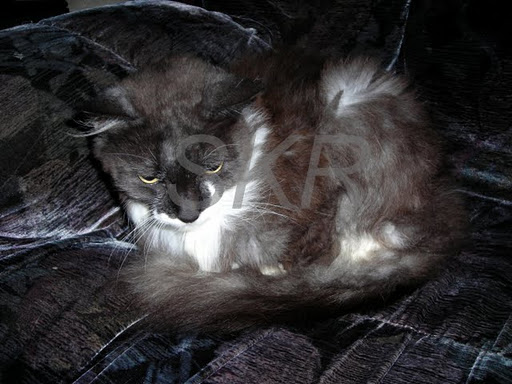
Meet Loki:

He’s coming with me too. He was a kitten from a litter of cats born to a sweet natured stray we took in many years ago. He’s also been very sick, the vet thinks he has a virus of some kind, although he tested neg to FIV which is a relief. He’s very very thin and lethargic and being nursed along with lots of small meals and meds at the moment. When he’s sick and grumpy he kind of looks like a owl with his big fluffy ears and yellow eyes.

Meet Sarsaparilla:

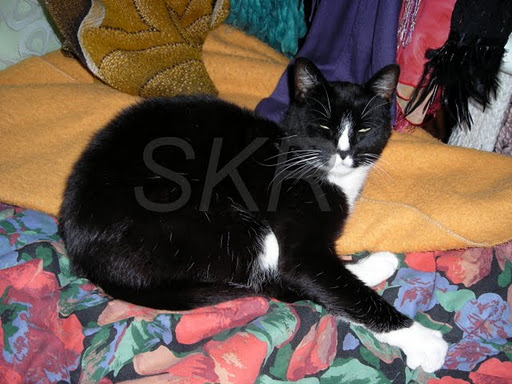
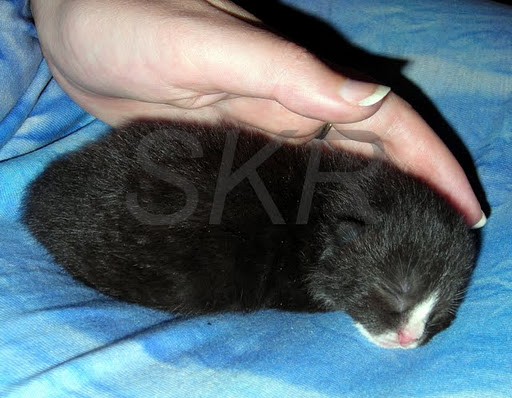
He’s a lovely friendly big cat, very healthy and smoochy with a funny little yowl if he’s confused. He’s quite timid around people he doesn’t know, but gets along well with other cats and Charlie. He was also born in a litter from a stray cat we took in, I fell in love with him and adopted him. Here he is with me as a baby:

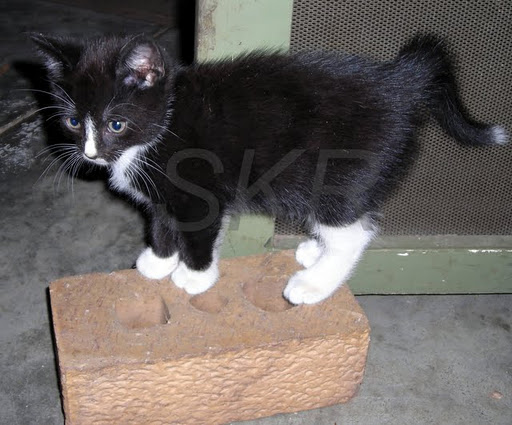
And as a little kitten:

I’m overjoyed to have him back with me again, he’s been sleeping on my bed at nights (he gets the feet, Cleo the pillow). I love his little black nose, the white whiskers and the white tip on his tail. He’ll be coming with me too.

Meet Horatio:

Horatio was another rescued stray cat, we took him in as young cat with his family. He had a brother he adored called Orpheus, who died after being bitten by a snake. He’s very fluffy as you can see, and looking pretty nice at the  moment as I comb all the moulting fur out every evening and trim any mats out his tail that he can’t fix. His health is good and his personality is the most affectionate and sweet. He’ll be living with other family.

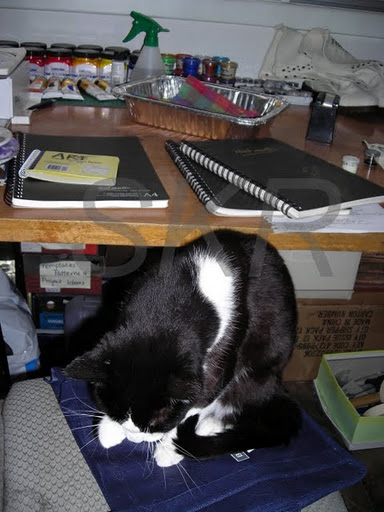
Here’s Cleo minding my art supplies:

She’s doing well too, she’s adapted to having other cats around but really hates Charlie, so she’ll be staying with other family until she is adopted to her forever home. Charlie accidentally walks into the cats as he can’t see them and Cleo gets very offended and attacks him, which is a bit hard because he can’t work out how to get away! He’s a bit daft the funny little fella. Cleo’s been keeping an eye on my packing and checking out my new empty bookshelves and the clean bathroom. She gets lots of love and cuddles and I’m sure she’ll be relieved to be living in a dog free house again. 🙂

Last but not least is my fish – the aquarium is difficult to transport so I haven’t decided yet if she’s coming with me or staying put. No photos at the moment as I can’t get her to stay still long enough! 🙂

Trauma Myths – there’s not many of us

There’s a few common myths about trauma that I come across pretty regularly, and this is one of them. In mental health, the role of trauma is one that is debated all over the place. For example, there’s people who argue that Borderline Personality Disorder is caused by childhood trauma, and those who argue that it is likely a genetic predisposition to an emotionally reactive way of relating to people (among other issues). Personally, I think that it’s entirely possible that there is more than one way to end up developing a mental illness – for example some people with a psychotic disorder have their first episode in the wake of a major life stress, others were just minding their own business and the world turned upside down. What we do know is that some things can be inherited, and the combination of an inherited vulnerability with a high risk environment is exactly the kind of circumstances where people are most at risk of manifesting a mental illness. Nature and nurture both play a role, and traumatic events are one of the things that can make someone more vulnerable to mental illness. While trauma is always at play in a condition like PTSD, it may or may not have a role in causing some other mental illnesses.

Some mental health staff have taken this to mean that learning about trauma and how to work with traumatised people is a specialised field that is useful for only a very few participants. That’s not my perspective. For a start, when we look at the statistics of people who are the most severely impacted by their mental illness, such as inpatient populations, the numbers of those who’ve experienced major trauma are very much higher than the general population. These traumas may not have had a role in causing their mental illness, but they can certainly make it much more difficult to manage one! So trauma sensitivity has a real relevance in mental health.

Another thing is that having a mental illness can be very traumatic in and of itself. One of our great fears is that we are going insane. Madness holds a terror for most of us, and developing a mental illness can feel like we’re going mad. We may have terrible fears about our state of mind, our experiences, trying to keep our job, worrying about how we’ll raise our children. Experiences such as being chronically suicidal can leave us afraid of ourselves, mistrusting our own mind. It’s not like this for everyone, some people become very unwell without realising it, others may be caught up in their experiences (such as delusions or mania) and even enjoy them. But for many of us mental illness involves severe emotional pain and fear.

Various interventions can also be traumatic. Being confined to a hospital, room, or bed, being medicated without any choice, not being allowed to smoke, to drink, to wear your own clothes, be with your family or pets, have internet access or your phone is effectively being kidnapped. I’m not suggesting that the intention is to traumatize people through ‘assertive engagement’. And I’m not saying that some people who are desperately unwell and a danger to themselves don’t appreciate being kept safe for a time. But the loss of control experienced in severe mental illness, and the loss of control that comes with experiences like being shackled to a bed, even when it’s done by kind and caring people, can be traumatizing, and can also replay earlier traumas.

Not everyone’s experiences getting help in the mental health system are good either. Imagine waking up in hospital from a suicide attempt to be told by the nurse that it would have been better if you’d died because they need the bed for people with real illnesses. Imagine being told by your doctor that your condition is incurable and degenerative and you will likely become less and less lucid and be unable to live independently. Imagine being told that you are faking your condition to get attention, that unless you follow through and kill yourself nobody will believe that you are genuine, and even then you would just be proving that you were a hopeless case. The oath to first do no harm is not always upheld, and some people are caused terrible suffering by the people who are supposed to help them.

When you include experiences of stigma or discrimination, attempts at disclosure that go badly, the grief and loss of having relationships break down under the strain, giving up study or losing employment because of the mental illness, the idea that there’s quite a few people with trauma issues of one kind or another really makes a lot of sense to me.

The other aspect to this is that behaving in a way that is appropriate for a traumatized person isn’t inappropriate for an un-traumatized person. Being sensitive to issues of control, proximity, touch, pacing of treatment, confinement, respect, and the need to listen doesn’t go astray for anyone. Being sensitive to the possibility of trauma is being sensitive and engaged, taking your cue from the other person and adapting to what is helping and working for them. There’s nothing inappropriate about that! Even when the condition isn’t a trauma origin one, and you haven’t been told the person has a trauma history I’d be careful in assuming that trauma isn’t relevant. There’s a lot of people for whom it is, and thoughtful sensitive support can make a big difference!


Dissociation and food

I’ve not come across a great deal of information about the relationship between food issues and dissociation. My colleague Cary is working on a thesis on the topic, and it came up the other day in our group Bridges. Many of us who struggle with chronic dissociation also have some difficulties with food. This is by no means all people, dissociative experiences can vary significantly from person to person. What do I mean by food issues? I’m talking about struggles that range from entrenched eating disorders to milder difficulties. Some people have a tendency to starve themselves, others find themselves overeating. Personally I struggle with a binge-starve cycle that slows my metabolism, wrecks my energy levels, and causes my weight to fluctuate. Dissociation and food issues can go hand in hand. People who struggle with over eating sometimes describe ‘unconscious eating’ where they consume food without being aware of it. Most of us know the annoying experience of reaching for a cup of tea and discovering we’ve already drunk it without registering. For some people this goes a step further and they find themselves looking at a clean plate and wondering what they had for dinner, suddenly realising the biscuit packet is empty, or finding themselves roaming through the cupboards looking for snacks whenever their concentration wanders.

Not eating due to dissociation can also be a difficulty. Personally this is something I’ve realised I have quite a problem with. When I’m very dissociative, I tend to lose my sensations, so I can’t feel things very well. That includes the sensation of hunger. Without that cue, I would at times go for several days without realising I hadn’t eaten. This starvation would do nasty things to my blood sugar levels and usually increase my dissociation. It wasn’t until I started fainting that I realised this was quite serious. A combination of sleep deprivation, starvation, and extreme stress has produced the most severe and terrifying dissociative experiences I’ve ever had, something like a drug overdose high. I now have to use the time of day as my cue to eat, and as I do eat more regularly it’s been exciting (but also freaky) that my sense of hunger has been returning.

The binge part of this cycle for me is that erratically I would eat large meals of high sugar foods. With my metabolism slowed down, I don’t tend to feel hungry and I’ve lived for many years on one meal a day. The binging has been a problem since childhood, when I would hoard, an on occasion even steal, sweets. At the time I was confused and deeply ashamed of this compulsion. At times my behaviour seemed to resemble an alcoholic, with sugary foods hidden in stashes that I consumed secretly, at high speed, at times of stress, and felt deep guilt and shame about. I teetered for many years on the edge of adding a purge component to this cycle, and deliberately cultivated a phobia of vomiting to help keep me away from this.

I’ve come to understand my food struggles as being created by a number of different issues. One of them is attachment problems. This is about our experiences as children, and how we now tend to view and react in relationships. For some people with attachment problems, ‘comfort food’ goes a step further and children may hoard food in fear that their needs will not be met and as an attempt to be self reliant. Another component is self image and self loathing issues, born out bullying and humiliation during childhood and teenage years. A deep ambivalence about food and myself makes it difficult to have a healthy relationship with food. Another component for me is intense stress. Sugar cravings are common for people who experience intense stress, because adrenaline and sugar have a relationship in the body. I’ve found I tend to crave sugar when I’m stressed. Another factor for me has been that at times I’ve been threatened or physically assaulted, which is just the kind of situation that makes you wish you were bigger and more imposing. This can lead to weight gain.

Food issues can also be a kind of self harm. There are many ways to play out self loathing, to try to override emotions or memories, and to express pain, and needs around control. People used to living in a disconnected dissociative state may use over eating or starvation to trigger dissociation when they feel overwhelmed. Others may use the discomfort of overeating or the pain of hunger pangs to reconnect them to their body and help to manage dissociation.

So, what can be done about this? Firstly it helps to know that food issues and dissociation often re-enforce each other. They easily form cycles where the dissociation aids the food problems and having problems with food makes you more vulnerable to dissociation. This cycle will need to be broken. For me, I’ve had to move quite slowly on reducing my issues. Several years ago after my most severe dissociative episodes involving low blood sugar and sleep deprivation, I made a rule that I had to eat one meal a day. At the time that was quite a challenge. I also started to examine what was behind my difficult relationship with food, and started to tease out the emotional components and work on them. One of the biggest I started with was the issue of self loathing. Initially I couldn’t imagine a life without it, but I could see how badly it was crippling me and kept working away at it. On bad days I can’t eat, and if I force myself to I will only be terribly ill and likely vomit. I don’t force myself. When stress levels are high, energy is diverted away from the digestive system. There’s only so much I can do and I let myself off the hook on the bad days. The goal is sustainable change, not re-enacting abusive scenarios where I feel terrible and out of control.

A couple of years ago I moved up to two meals a day. I was able to sustain that except for periods of homelessness when I tended to drop back to one or less. Now, on good days I have three meals. Possibly half my week is like this at the moment. I also tried to link food to good experiences – so I often eat a snack or even lunch in my groups because they are such a safe and positive environment for me. And I wanted to remove shame and humiliation from eating. I dismantled my stashes and decided that if I was going to eat something like chocolate, I would do it openly, I would enjoy it, and I would feel no shame, even if I gained weight or people made rude comments. These movements, little by little, have moved me towards a better diet, better energy, and better health. My cholesterol level which had been rising is now low and stable. My weight has stabilised, and my health is better than it has been in many years. I no longer diet, I refuse to engage in fads or restrictions, ‘bad foods’, or an obsession with ‘healthy’ food. My goal has been to tune back in to my body, to eat and enjoy eating, to have fuel, and to get back to the good side of being fussy about food – the pleasure of good food and my love of cooking, the kindness and care of preparing good tasty food for people you care about, and to resolve issues of shame, control, stress, and comfort in my journal rather than my diet.

If you’re struggling with dissociation and food, take heart, you’re not alone! It may be that a two pronged approach – working on reducing the dissociation, and working on understanding and resolving the drive behind the food issues will give you the best chance of making good changes. Food issues can be tenacious, deeply rooted, and re-enforced by the unkindness of our culture. You’re not going to make progress every day, and you may find that things change slowly with back steps and challenges along the way. I’d suggest watching those who have a good relationship with food and their bodies and modelling whatever you can.

If you’re a multiple, you may have food issues broken up among different parts. Sometimes everyone in the system is fine but one part has a major eating disorder. Sometimes the roles around food are broken up, perhaps one part cooks, another eats, and another cleans up the kitchen. Maybe you function just fine around food until the one who eats goes away for a while, or until someone who doesn’t eat ends up being out for a long time. I know that this kind of dissociation can add a whole extra layer of complexity to the situation, it may take a while to even work out what is going on and who is doing what. Be patient and gentle, you will make sense of it at some point and work out what you all need to do to make sure your body stays nourished and taken care of. Getting a hold on food issues may help you drastically reduce your dissociation and be an important part of your recovery. Best of luck to you!


See more like this:

Feeling chronically suicidal

Wow, another big topic! I simply cannot do justice to these in a blog post, so please don’t be under the impression that my notes are in any way definitive. I just hope to share a few thoughts and ideas and maybe they’ll be useful to someone else. If not, there are a lot of books out there, and good support too (although you may have to look hard for it) so please don’t be discouraged, keep hunting for what you need.

Feeling suicidal has been something I’ve lived with for most of my life. I was first seriously making attempts on my life when I was 10 years old, feeling totally alone and overwhelmed and desperate not to suffer anymore. Since then it’s been a companion I’ve had to learn to live with, a shadow I can’t shake. It sits on my shoulder and whispers into my ear, weakens my courage and resolve, tells me that things will not get better. So how am I still here?

There’s a few nasty traps with feeling suicidal that I’ve been able to see and to some extent avoid. The first one is the idea that if you are sick enough, or in enough pain, that someone else will come and help you. This is a powerful rescue fantasy that the mental health system often inadvertently plays into, which is heartbreaking because no one can sweep in on a white horse and take your pain away. I once spoke with a young woman who tried to admit herself to hospital as she was feeling suicidal. They told her unless she hurt herself they couldn’t help her. So she did. Mental health staff will often draw distinctions between degrees of suicidiality – the occasional thought, feeling it strongly, making plans. Between so called ‘passive’ and ‘active’ attempts (those you have a good chance of recovering from and those you don’t). In my experience this is often done quite without any awareness that in an attempt to be taken seriously and gain the help they think is on offer, people often steadily graduate up the ranks to higher and higher degrees of suicidiality. What agitates me so much about this, is that a cross-wiring of kinds is happening here – good healthy impulses to get help and get better are being cross-wired into self-destructive acts. Now both the healthy and the unhealthy impulses are driving the person down into suicide – what hope do they have then?

Sadly, the line between the people not sick enough to need help, and those so sick they are considered beyond help is very fine in some circumstances. People find themselves unable to access services as their situation is not serious enough, and then unable to access them as they are too high a risk. A long time ago I discovered that my learned pessimism about other people’s power or willingness to help me actually stopped me getting worse in a misguided attempt to get support. It’s not an easy one to stay out of for me, a bit like a whirlpool that pulls at me. I have to mentally remind myself a lot that my energy must go into getting better and taking care of myself, that getting sicker to get help is like going deeper into the desert following a mirage of water. No hope lies that way.

Another trap I’ve noticed is using symptoms to express pain. The mental health system is at times very poorly set up to support people who’ve experienced trauma. Sometimes the number and severity of your symptoms are used to ‘grade’ how severe the experience you’ve come through is. This penalises you for being resilient, and leaves you caught between getting validation and acknowledgement for your trauma, or functioning to the best of your capacity. People with trauma can start to speak ‘the language of symptoms’, in inpatient settings they may compare severity of illness to rank their trauma along side each other and compete for the highest severity, comparing scars, numbers of diagnoses, amount of time in hospital, number of suicide attempts. Especially when your trauma is being denied or downplayed by those closest to you, the need to have it acknowledged can be so profound that people self destruct seeking that validation. This can be hard to understand if you’ve not experienced it. The language of symptoms is subtle and insidious and once you start speaking it it’s very hard to break. In this language suicide is seen as the ultimate way to express pain, to reject terrible circumstances, to show that you were a victim, and that your situation was so severe it was not possible to survive it. The way out of this is to refuse to rank trauma, to validate all harm and all pain, to take away the burden of ‘proving pain’ from people who are hurting.

The lure of safety is a trap that can make death seem enticing. People who’ve been badly wounded and broken can be willing to hide out in any port to escape the storm. It’s hard to keep hoping that tomorrow will be better when all your hopes are dashed. It’s hard to find strength when the bad days are horrific and completely outnumber the good. We can get to a point where we just want it to stop and will do anything to make it go away.

I turn these thoughts on their head whenever I can. Instead of seeing death as a peace that I am denied, I find anger in my heart at the thought that my story would end in such a miserable place. I use everything I have already survived as impetus to keep me going on – if I was going to give up, I should have done it 10 crises ago. I’ve already come this far now, nothing will take me down now. I find that it is crucial to reframe the seductive nature of the traps and find a way to think of things where continuing to live is being brave, is bearing witness, is triumphing over abusers, is having a voice, is all the things I long for. If you allow suicide to be framed in a way that it seems to contain the things your heart deeply longs for, then you are incredibly vulnerable to it because it will take all your strength to deny yourself what you so deeply desire and have within your power, and none of us can be strong all the time. For me it’s key to see these things as tricks and deceits, like sweet voiced sirens that will sing me onto the rocks if I listen to them.

I also hold onto many things that help to keep me in life and wanting to live. I do not have one precious thing, for that would make me terribly vulnerable to losing it. I have lost so many things dear to me in my life. I have many things, big reasons and little reasons that hold me here and keep me fighting for life. Some are huge ones – I want to write books, who would care for my pets, my family needs and loves me. Some are little ones – I’d planned to feed the ducks this evening, I haven’t finished making that birthday gift, the moon is so beautiful tonight, perhaps I’ll watch it set. They are my talismans against the dark, and they fail when the darkness is great. I hold one until its light goes out, then I put it back and take out another. The power of feeling suicidal is that it strips meaning from that which means most to us. In a black, fey mood, the thought that our children would miss us is suddenly hollow and devoid of power. I have learned to expect this and not be dismayed by it or blame myself for it. I rotate my reasons to keep going, and never hold onto one past its usefulness. In time it will regenerate and I’ll be able to use it again.

I also now know that there are times when all my reasons fail. When I am joyless and without love of life, when I have no hope for a future and can find no meaning in my pain. When to ask me to live is to ask to me to submit to torture and anguish. In these times I pour the pain out of me, into journals, I weep for hours, days, months, I scream myself to sleep. I accept that I am without hope, without reasons, and I put myself at the mercy of the world. If I am to die, then kill me, but it will not be by my hand. And if there will one day be a reason for me to have endured this, then spare me. I will wait for it. One day there will be reasons and meaning and hope and I will be glad to have endured.

I have also learned that not all change and help comes from within me. When I am deeply broken, I bind myself to stillness to keep me safe from my reckless longings, and I wait. I have learned that if I wait patiently, with my eyes open and my ears pricked and my heart ready, then something will change around me. I will read a book that speaks to me, or someone will say something that unlocks a peace in me, or some circumstance will change and give me hope. Sometimes my desire to be the agent of change, to fix the pain and put the world to rights is the very part of me that is most dangerous in despair. I hold myself still and wait for hope.

I also find hope in my ignorance. I remind myself how many books I have not read, the degrees I do not have, all the millions of people in the world with thoughts and ideas and theories and experiences I’ve never heard of. When I can find no way to patch together any hope with what I know, I go hunting for information and I tell myself that I will find it again. My knowledge is such a speck in the universe, and how much my world has changed with powerful books, good friends, sound advice, how much my inner life has grown and my strength increased as I’ve learned and understood more. And yet still I know so little. I cannot pronounce the certainty of despair when I have only the tiniest fraction of all the knowledge in the world. Other people have found hope, I will sit at their feet, I will watch their lives, I will find foundations for my own.

I abandon reason when reason drives me to despair. There have been times in my life when the anguish was so unbearable that I have broken inside and decided that it was no longer fair to ask me to endure it. That if love of my family kept me here, than that love was cruel. I have taken my hits and bled my last drop and no more can asked of me. I had no reason to expect that my life would become any different to how it has always been. In this place I cast about desperately for a reasonable response and could not find one. In the end I sidestepped the question entirely and concluded that if hope was foolishness and staying alive was madness than I would be a fool. A little madness can be a refuge from the relentless logic of such thoughts.

At times it is helpful to remind myself that there are those, only a very very few, who have hurt me for the sake of the pleasure of hurting me. That they would gain delight in knowing that I continued to inflict pain on myself long after they had gone. That dying by my own hand would be murder from an untraceable distance. I am a profoundly stubborn person. I decided if they wanted me dead, they were going to have to do it themselves. If there are black days where I live only to spite those who’ve hurt me, then so be it.

Feeling chronically suicidal can become a mental habit whenever things go wrong. Your brain tosses it up as an option like a big dumb dog dragging something horrible on to your bed. If you’re used of thinking of suicide when you’re stuck, it may help to talk back to your brain (politely) and tell it you don’t want this option at the moment. You want other suggestions and ideas about how to improve things. You may even write a list of all the various options open to you, and number them ahead of suicide in your list of ways to respond to your life. So perhaps suicide ends up being at option number 467, after

  • 452. Move to Japan and take up kite making
  • 231. Eat everything you can find in the fridge
  • 93. Call a helpline

I run my proverbial list in order from most to least likely to help, easiest to most drastic, and least to most harmful. Even self harm, total isolation, or an eating disorder are before suicide on my list. They I can heal from later, suicide I can’t. Some things – like harming someone else – are after it. It doesn’t have to be a good reason (although a good reason is better) it just has to be enough to get you through. Almost anything you do with your life should be above suicide on your list of options.

So the rope I have cast over this pit is woven from many different things, stubbornness, folly, faith, patience, experience and a deep love for life. No one thing alone could keep me safe, but between all of these things a kind of armour is made that helps to protect me from despair, a kind of path that walks me through the darkness.

I imagine that the things we each make this path from may be different for us all. It doesn’t matter if it makes sense to no one else, if it’s patchworked together, a jumble of contradictions, badly worn thin and with holes you have to leap over. It doesn’t have to be perfect, it only has to be enough to get you through this night. Tomorrow can take care of itself.

I hope you may find something here useful or thought-provoking. If you are feeling suicidal yourself, please take good care of yourself. Call someone if that may be helpful, do those things that keep you safe and give you hope, reframe it, wait it out, find someone to hold you, find reasons to endure, and walk gently. There is hope for us.

Australian 24 hr phone services:
Lifeline: 13 11 14
ACIS: 13 14 65
Suicide call back service: 1300 659 467

Big news!

Well, just when I was getting back into the swing of things, I’ve had some great news that has bowled me over and thrown all my new plans and routines out the window – I’ve been offered a unit through Housing SA!

It’s absolutely gorgeous, close to the city, ground floor (no steps or stairs – important when you have a fluctuating joint pain issue) with a little backyard that’s fully fenced, so my dog can come. There’s a small garden patch out the front that I’m thinking may become a veggie patch. It has two bedrooms, a master that will make a great art studio, and a small secondary that will be used as a bedroom. There is a bath, which makes me very happy, a large loungeroom, a dining area and a kitchen, a small laundry, and a garden shed out the back. The stove and water system are on gas, and it has a double sink in the kitchen. There’s a huge peppercorn tree in the backyard for shade. The area is very mixed with some new homes, some very old ones, and a bit of industrial as well, but it has a great arty feel to it. My moving date is next friday – the 13th – most auspicious 🙂

I am so very excited and fortunate. This has been a very long road. I left home at 18 to live independently, but had to return at 19 when I became very ill and unable to care for myself. A few years later I had to run from an abusive relationship and found myself homeless. Unfortunately, at that time I was advised not to bother getting my name on the Housing SA list as the waiting times were so long it was pointless. How I regretted that! I didn’t realise that once you’ve become homeless once, you are very vulnerable. A lot has to go wrong in your life for you to be homeless, a lot of security, stability, finances and social connections fall apart. Places that help homeless people often make a distinction between those who are homeless, and those who are roofless. The roofless are those we tend to think of, they are sleeping rough on the streets, in squats, abandoned buildings, skips, anywhere they can find. The homeless on the other hand usually have a roof over their head of some kind – in a shelter, a vehicle, a caravan, couch surfing and taking up with anyone available. This is an important distinction to make, as those who are homeless but not sleeping on the streets are essentially an invisible population. There are few supports and resources as few people realise the extent of this problem. People with disabilities and mental illnesses and young people particularly struggle with this kind of homelessness. There is no security, you move often. You often lose most or all of your possessions. You live in unsuitable conditions because you have no choices. There are many predators out there who take advantage of the homeless. You can’t keep up with your mail, with Centrelink, with work or study. You have no privacy, you have no idea where you will be from week to week, if there is an abusive ex stalking you the fear and stress are even higher. You are a very vulnerable person in this situation, easy to exploit.

I have found myself repeatedly homeless since that first flight out of danger. It cost me far more than I thought it would to escape. I became suicidal and struggled with self harm. I was exhausted moving my gear from place to place and seriously tempted to destroy it all instead. I used up all my savings, had to give up my pets, my diet become unhealthy and erratic and my health struggled. Shelters are not the panacea they are widely held to be, and I didn’t qualify for any of the support out there for homeless people, due to age and disability. I was told by one youth service that “no one cares if 26 year olds are homeless” when I begged them for help. Not only was it my fault I was homeless, it was my fault I didn’t have the social support to ease it. I’ve bounced all over the place and tried many things to create more stability in my life. I’ve lived in a caravan park which was awesome in some respects and scary in others. I’ve slept in my vehicle, in backpackers, at other people’s places, in a shelter, in group housing, in a lovely unit with a mate helping me with the rent, with family, on couches.

I found there was a tremendous tension in being homeless between trying to adapt to my new circumstances, the world I had found myself in, and trying to maintain a toehold in the world I wanted to get back to. They were very incompatible goals. Trying to do both was extremely difficult. For example, one way of adapting to chronic homelessness is to drastically reduce your belongings down to something you can carry. This makes all the moving much less exhausting. It is emotionally painful, especially when you don’t have family backup. Most young adults don’t carry around all their precious memorabilia, the vase they inherited from their Great Grandma, the scarf their Nan knitted, it’s stashed with their parents for a later date. Anything I had a connection to, dreamed of one day putting on display or showing my kids had to come with me or be stashed with a friend for a little while. If you do carve back your belongings to a bag, and then rent a place, you have nothing to put in it. Even with what I did bring, on the occasion I was able to rent a unit for a while, I struggled to afford furniture. I ended up borrowing a van and collecting most of what I needed out of the hard waste collections around the city. To be broke, short of friends, and short of resources is to be in a really difficult place. Without having someone to borrow the van from, I simply wouldn’t have had a bed or a table or a couch. And for someone who’s been roofless – who cares! You’re safe and dry. But if you’re trying to climb out of that underworld, you need to look like the people with homes. You need to be clean, to smell nice and have cut hair and wear clothes that are fresh and unrumpled. You can’t get jobs without these things. To be a student you need a basic level of mental health and emotional stability, you need space, time and quiet to study, you need sleep and food regularly and to be able to get to and from the uni without being totally exhausted or financially crippled. To maintain your own mental health you need to hang on to your poetry and your artwork. The more you adapt to homelessness, the more it becomes normal to skip meals, baths, sleep, to eat anything you find, to be grateful for blankets, to not care about how you look, to be used to being completely uncontactable, no phone, email, or address, the harder it becomes to pass yourself off as part of the rest of society. You become feral as far as they are concerned, and rather than admiring your will to survive, they are generally repulsed. There is no adapting to you. If you can’t attend that Centrelink appointment you will have no money.

So I’ve tightrope walked between the two worlds, I’ve discovered that people think that folks with disabilities never become homeless and never need to leave abusive relationships. I’ve found that shelters seem to think that being homeless is a weakness of character, proof of your failure to manage your own life properly. I’ve learned that people think the homeless are lazy and disorganised, and that it isn’t a big deal. I’ve found that people who choose to explore an alternative lifestyle can be the harshest to those who live in similar circumstances, but do not have the networks or support to choose any other way when they wish to. I’m furious that we think of homelessness only as being roofless, and that being roofless is effectively illegal. That we cannot pitch tents on parks or beaches, cannot squat in buildings, cannot build our own homes as our ancestors did. That we can be moved on from any place, kept out of sight, in the cold places and in the shadows where no one has to see us or know about us or feel guilty about us. I’m furious at ads offering rooms for sex, at turning up to my 100th open inspection on a flat to find there are 50 people applying, at applying to rent an old office and corridor with electric fry pan (the ‘kitchen’) for more than I can afford to pay. It’s been a long road.

So here I am, about to move into my own place, probably on a 1 year lease, which I hope will be renewed for something a bit longer next year. (they no longer offer lifetime leases) I’ll be taking my little blind dog and two cats with me so we’ll be quite the little family together. I’m sad that the next month looks like a lot of packing and unpacking boxes and not much art, but the timing is perfect as I’m not yet embroiled in training and work. I’ll have to take extra care of myself as I find moving difficult with the dissociation and the effort of moving myself and exhaustion will probably take a toll on my physical health too. But it is such a wonderful thing to be in my own home and I cannot wait to have it all set up.