Schroedinger’s Uterus

A friend joked that I currently have Schroedinger’s uterus – I may or may not be pregnant. That’s exactly how it feels. I ovulated 7 days ago. Sometimes I feel pregnant. I’m queasy, my nipples are tender, and there’s a slowly kindling sense of hope that we’ve been wildly fortunate and conceived on the first cycle. A deep peace settles in my bones and all the noise and fuss of life goes quiet, like someone has closed a window on the traffic noise. It’s beautiful. Other times there’s nothing there, no sense of a presence, just an empty box, an egg timer with no sand in the glass. More painfully, sometimes there’s the fear that a tiny life was present that has gone or is fading. I find myself talking to it and begging it to stay.

I’m busy at the moment, following up all the wild interest in the Hearing Voices Network. I’ve been to conferences and workshops before where there was this huge surge of potential connections afterwards (although that’s not always the case) and I was too shattered from the travel and my own crash following it all, and my anxiety about putting myself out there to follow any of it up. This time I’m determined to ride the wave, write back to every email. follow every lead. But although I’m busy I also feel like I’m not rushing. There’s this even pace, nothing frantic, a kind of quietness. My head is full of network and plans and new friends and book drafts. But beneath it all I have one ear cocked towards the shadows, listening for my baby. Are you here yet? Are you with me? I love you. It’s like working in a house on the beach, listening to the roar of the ocean and always quietly alert for the tide to bring something in, for the waters to rush back into the darkness and leave something precious glistening on the shore.

Art with friends

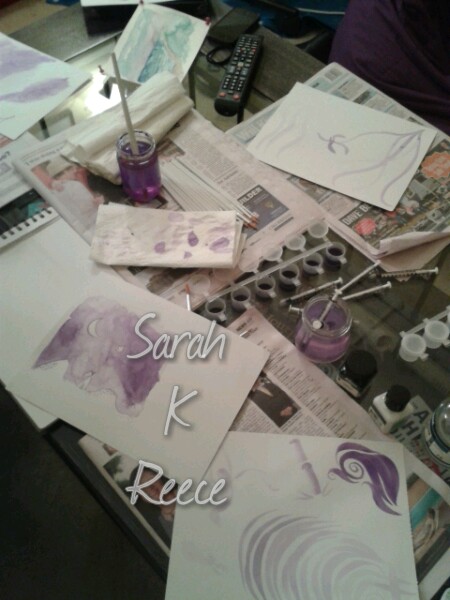
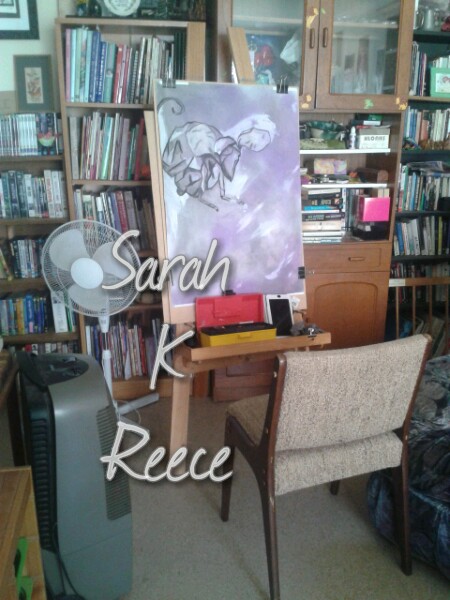
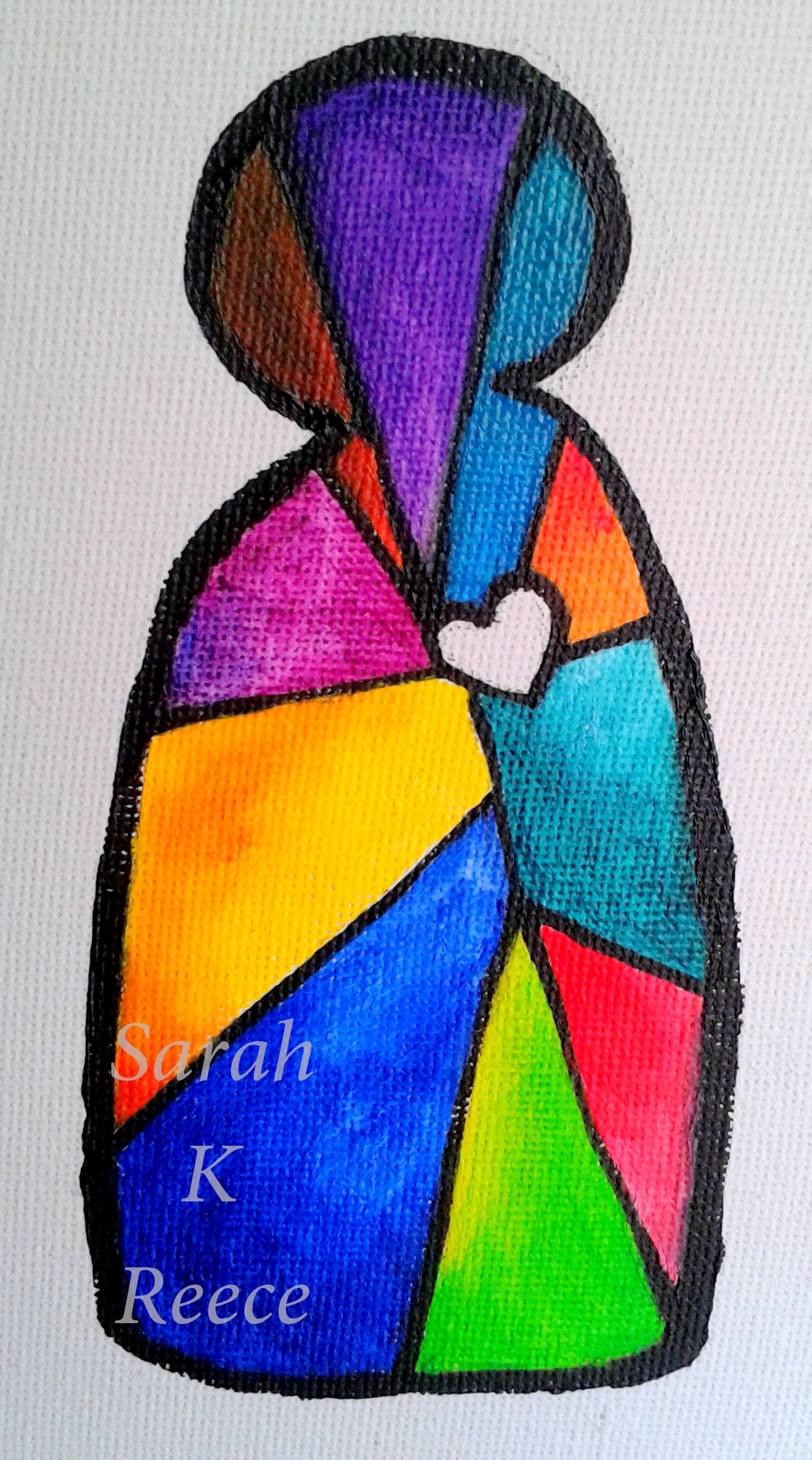
I had the most relaxing evening last night, showing a couple of friends the basics of painting with inks.

image

It was wonderful. We discussed the possibility of starting a local art mental health group, I’m kinda keen, but also busy and needing to earn money, so it’s a hard call. It was really fun though.

In other news I’m doing free local talks and meets around Adelaide and I’d love to see you at one of them! More details in the newsletter from the Hearing Voices Network of SA: Dates to meet in SA, free events

Trying to get pregnant

Trying to get pregnant is weird. Coordinating with our donor when we didn’t get any warning about ovulation was quite challenging. We pulled off three inseminations over the last three days. Don’t talk to me about making sure the stupid cup lid isn’t cross threaded and leaking! I’ve spent a lot of this weekend feeling exhausted and lying around with pillows under my bum. I’m off my antihistamines and feel like I’ve been left on an ant hill. I’ve got big patches of zinc cream over missing skin. The fricking soles of my feet are so itchy I could happily shred them over a cheese grater. I can’t remember what I’m allowed to eat or drink. Rose randomly does things like poke me in the nipple and ask if they’re tender (they are now!). I can’t tell and I suspect if I knew all the symptoms I’d have them just out of general hopefulness. Trying to get pregnant is moving, beautiful, strange, funny, irritating, and icky. In so glad we’re doing it at home instead of through a clinic where it’s just another medical procedure. I’m already finding that aspect stressful, being able to go with things and play music and talk baby names and cuddle and have a chocolate or whatever we feel like together is so much nicer. Every sign of possible pregnancy seems to be uncomfortable, icky, or inconvenient. I just realised this morning that I didn’t start the martial arts course I was interested in yet, so I’m not allowed to now.

I wish I owned a vacuum cleaner, there is so much pet hair in my unit. Rose offered me one for Christmas, which I turned down because it was unexciting, but now I’m wondering if looking a perfectly good gift vacuum in the mouth wasn’t a stupid idea for a possible mum to be. Rose’s work are playing an exciting game of seeing how close to Christmas it can be before they tell us if she has a job. It’s like playing chicken with a small creature on the road, running it over or swerving at the last minute, and laughing at it because it looked stressed. She’s applied for about one billion others, but the ones that short list her are all out in the country… Work are also docking her pay randomly, apparently for overpayments they don’t specify. We’re pretty sure this is illegal but the payroll department seem to get away with it by not answering their phone or returning messages.

I’m really tired. Thank gawd college is over for the year. I’m going to go bathe in vinegar before I take off any more skin. I may or may not be pregnant. I am definitely itchy and bewildered.

Systems & pathology, & mental health

I’m doing a lot of thinking about these things. Starting up a not for profit like the DI throws you into this world of systems, policy, organisations. Small orgs like ours are often friendship based, very informal, sitting around dining tables. They happen in homes, spare rooms, basements, the local pub. They are relational. People come and go as relationships and life circumstances change. There’s a flexibility and vagueness of roles that is closer to our family structures. People do stuff, they harangue each other about the stuff they’re doing or not doing, they gravitate to roles they like and are most skilled at. Those with the least popularity or power do the jobs no one else likes. Success – and money – often transforms this process. What was a community or a loose organisation becomes a corporation. Every part of the process is systemised. Roles are defined and assigned by management. People rise through a hierarchy to better paid and more respected jobs until they reach the limit of their skills, or their position of incompetence. Relationships are controlled by the organisation and often arrange themselves in a class system where people are only permitted to befriend those in their own pay grade, rather than those above or below their position, and often not the clients, at least within the ‘helping people’ professions.

There’s upsides to the corporate structure. Systems can be highly useful. Little beats the sheer efficiency of a good system. Sound emergency response systems save lives. The efficient distribution of aid in the wake of disasters are often a reflection upon the quality of the system in place to anticipate and manage such needs. Fairness is another benefit, where resources are allocated and people are supported according to need rather than who they know. A third benefit can be transparency – systems are often far easier to examine and assess than are loose collections of relationships in communities. When you’re asking a question about what works and why, or if a group is efficient or fair, systems where everyone operates the same way are far easier to explore.

Where we hit problems are when we implement the wrong systems for the situation, where a system based response is inappropriate and a poor fit to the situation, or when the systems have been constructed on the basis of values or assumptions that cause problems.

There’s a lot of talk in mental health about ‘the system’ and the flaws in it. Often such talk is rapidly derailed into suggestions about why it is so flawed, and who’s fault that is. Our entire psychological services, community sector, and to some extent, our non-clinical support services such as churches, support groups and so on, are all based around systems. The process is often highly mechanistic in that each member or employee, functions as a cog in a machine. If the cog breaks or goes away, you replace it with another cog. Cogs are interchangeable. Cogs have limited control over their roles and tasks. They are moved around and assigned projects by management, who are also cogs. There are assumptions about power and safety that drive common practices such as professional distance. Relationships are either ignored or forced through team-building exercises. These kinds of systems tend to naturally degrade over time into highly complex bureaucratic processes. They consume a lot of resources to function. They often become inflexible and highly inefficient at taking up new technologies, approaches, or research. Communities that are successful at raising money and awareness tend to evolve into organisations, and organisations tend to evolve (I would argue degrade) into corporations with all the legal and social responsibilities and inherited ideas that come with that.

I find the corporate structure deeply unpalatable for many reasons. The astonishing inefficiency of resources is a big one. Where three people in a room will often constantly be seeking for cost effective methods to reach their goals, corporations routinely completely overlook new technologies or methods. They gear towards stability. Having figured out a way to operate, they stick with it. They keep paying massive phone bills despite advances in VOIP technology. They print masses of paperwork needlessly. They attach money to respect and create expensive norms, such as putting visiting guests up in hotels, where the small community would house them in spare bedrooms. They consume. Over time the organisational goals become less about their aims or mission statement, and more about self preservation.

Another problematic aspect of the corporate structure is that it is often very controlling and hierarchical. People at the top tell everyone else what their job is, the best way to do it, how they should dress, interact, and function. We tear down divisive and dehumanising class structures in other aspects of our societies, and rebuild them within corporations. When groups of people are clustered together like this, we often see a loss of diversity, and a loss of individuality. With those losses, other losses are predictable – such as innovation. We also see huge challenges in the area of ethics.

The Neuremberg defence, I was just following orders, nauseates us. We tend to expect and demand that all people are responsible for their individual actions, and answer to a moral as well as a legal code. This is a whole lot more problematic than it sounds at first. Corporations tend to subsume the identity of those involved with them, they set codes of dress and conduct. People are told not only what they are allowed to say, but instructed on what they must believe or value. Obedience is insufficient. An employee who obeys a rule – such as confidentiality, or equal access for GLBTIQ people, or to deny assistance to a person in distress – but who clearly does not believe in this rule is unlikely to remain for long unless a shortage of other workers in that region keeps their position safe. No individual within a corporation is permitted independent moral action, but must instead come into line with the policies and procedures of the organisation or risk being fired. However, no member of the corporation is assigned responsibility for assessing the morality of the organisation as a whole. It is assumed that ethics, and the translation of values into policies (which is a hell of a lot trickier than it sounds) will be key parts of the processes of those few who have the responsibility for writing them.

So we have a diffusion of responsibility for ethics, between a small handful of people in managerial and board roles, enforced across an entire organisation. Many of those people arrive in their positions having first spent years working as regular members of an organisation where their opinions about ethics were specifically prohibited from their work life. Employees in the mental health sector, for instance, are routinely forced into the bystander role where they must watch harm being done, or help not being offered, to someone in need. Sometimes they are forced to be the person who does the harm or withholds the help in order to keep their jobs. Organisations who are fortunate to have highly ethical, insightful, reflective people with excellent management skills and a deep understanding of the complex relationship between values and policy in the management and board will tend towards better practices as a whole. Those who lack either the will or the capacity to create highly ethical practices will not. Groups have a natural tipping point at which the number of people who care – or do not care – about something becomes the dominant organisational culture. Authority also dramatically influences our capacity to think or act otherwise, so the influence of the beliefs of those in such positions upon the workforce as a whole can be significant. The alternative is a fractured organisational culture where the management and workers operate semi independently of each other in a kind of chronic low grade class war.

This adds up to a training ground for management that starts by spending years employed not being allowed to consider ethics in their work life, and ends in positions of high responsibility, little or no attention to work relationships, and the requirement to ensure that every member of the organisation adheres to the policies and procedures to protect everyone from risks of litigation, bad press, and loss of funding. Corporations naturally decay into behaviour that in individuals we call psychopathic and narcissistic, unless a lot of effort goes into protecting them from that outcome. They often operate in dysfunctional ways. When a system subsumes individual identities behind roles, and replaces relationships with mechanical structures (cogs in a machine), they also tend to replace values with rules, and to confuse obedience to these rules as being the same thing as ethical behaviour and as loyalty to the system or organisation as a whole. The idea that one can be loyal and devoted to the organisational aims but have sidedness of opinion about the ethics of how those aims are meet is not one most corporate structures entertain.

This cog in a machine structure is extremely problematic in mental health because relationships are so key to support. It’s not enough to see a social worker every month, is far better if it’s the same social worker we’ve built trust with. Case notes do not replace a history and connection between two people. ‘Cogs’ are dehumanised by this model, and tend to be further alienated from the people they are supposed to be ‘fixing’ and moving on as quickly and cheaply as possible without making friends with them. Friendships are the primary model for support in our culture and yet are infrequent or expressly forbidden within corporate structure and mental health especially.

There’s tremendous tensions between the organisation and the individual. If we think of corporations as multiples, where the corporation is a person, and the people that make it up are parts, these parts often lack voice, power, validation, and the right to be diverse. Dictated to by a dominant part or groups of parts, the rest are hostages who are managed or exploited. The corporation as a whole had a name and logo (face) presented to the world, and the parts must be brought into line with, present consistently the same, and hide diversity or division. I personally do not function at all well in corporate structures for precisely this reason: my system does not cope with a model of authority so completely at odds with our own, and we not accept the idea that ethical behaviour is the responsibility of someone else in the workplace.

If we think of a corporation as a tribe, being a member of that tribe carries a very high price in terms of individual identity and freedom. Perhaps this is simply more difficult to see in corporations because we are accustomed to them and accept them as normal, in the same way that we accept as normal that most people hate their job, find their boss very stressful, and hate their bodies. We in the west tend to be highly sensitive to incursions on the rights of individuals in other cultures, and yet oddly blind to the same dynamics in our own. One of the simplest and most obvious examples is that of our widespread exclusion of people with disabilities from the workforce for the simplest of reasons – lack of access, and our inability to work predictable hours when illness interferes. Tribal cultures are frequently organised on more flexible principles, where those who work do so, and those who are sick or injured contribute what they can, as they can. This simple conflict of structure in what we have created in our highly mechanical post-industrialist society, and the needs of those of us with sickness or disability underlies a massive problem of social justice, inclusion, welfare, discrimination, and invisibility. It is one more aspect of the loss of diversity.

So, what are our options? How do we navigate this? I would argue that systems have value. Patterns and routines can save us from being paralysed by the requirement to discuss and examine every action at length. They help us to function in groups, to take care of vulnerable people, to act quickly. Maybe a lot of our issues are not with having systems, but with having mechanical systems. I often draw inspiration from ecosystems when I’m trying to better support a family or group. The ideal is a balance of flow of energy, no one at the bottom, exhausted and neglected, no one at the top, consuming without giving back. Everyone connected but separate, giving and receiving. There’s many ‘natural systems’ I’ve no interest in replicating, such as the dynamics of a termite mound. But there are principles of connection and freedom that may help to inform systems that are a better fit for the people within them and the people they serve. Here’s a few thoughts about these kinds of systems via Communities as Living Systems (how nature can inspire fresh perspectives on complex problems) | joannahubbard.

  • Living systems experiment-they don’t seek a perfect solution, just a workable solution.
  • Within a living system something is always working.
  • Nature seeks diversity – new connections open up new possibilities for the system’s survival.
  • A living system cannot be steered or controlled – only teased, nudged and titillated.

We’ve done so much talking in mental health about how destructive the system can be, not only to clients/patients, but often to those compassionate people trying to work within them. We often treat relationships and systems as being at opposite ends of a spectrum, and yet our culture organises relationships into family structures and expects the protection of vulnerable members. On one level, families and friendship networks operate as a socialist sub-set within a capitalist culture. The wheels are oiled by a massive number of volunteers and unofficial support between people. This is still a form of system, a pattern of organising a community. (It’s also one that doesn’t fit everyone, as minorities such as the GLBTIQ community seek access to legal and social recognition for their relationships) We cannot build a perfect system or utopia, but we can build something more in line with the needs people are communicating and what we are learning helps people to recover from crises and distress, such as relationships.

Systems are not inherently destructive, nor are they inherently devoid of ‘natural’ relationships. They can be extraordinarily complex and difficult to set up, and often have unintended outcomes. They can fail in a myriad of ways, and funding success can destroy their capacity to function well just as spectacularly as financial ruin. Systems must operate according to (or at least, interact with, even if intending to disregard) the legal requirements of the countries they are set up within. This can necessitate a high level of creativity, innovation, and courage, because the easiest path is simply to recreate the structures we are familiar with, however appalling. Great intentions are insufficient – the mental health system has undergone many reforms and each was driven by people with excellent intentions. The asylums from which we are rescuing people were built by those distraught by the fate of madmen who were starving in the streets. I don’t have an answer or a solution. What I do have is some experiences about what does and doesn’t work – in my own life, and in the groups I have created. I have some values about human rights and dignity. I have some hope that we can – all of us who are wrestling with this complex challenge – creativity engage and inspire each other to create organic, living systems that change and grow with us and with our cultures. I think some key aspects to this in mental health are:

  • Transparency
  • Freedom
  • Mutual Relationships

How these translates into systems and policies is something many people are exploring. Some groups are trying to set up suicide services that are ‘self check in’ to remove the barrier of having to prove you need help before you can access it. Other countries are running mental health services on the principles of Open Dialogue where patients are part of every conversation and always have access to their own records. None of us are going to come up with a single, perfect answer. A big part of what we need to move forwards is safe, respectful places to have conversations and share ideas, so that we can pool our experiences and wisdom and create something better.

I’m ovulating!

image

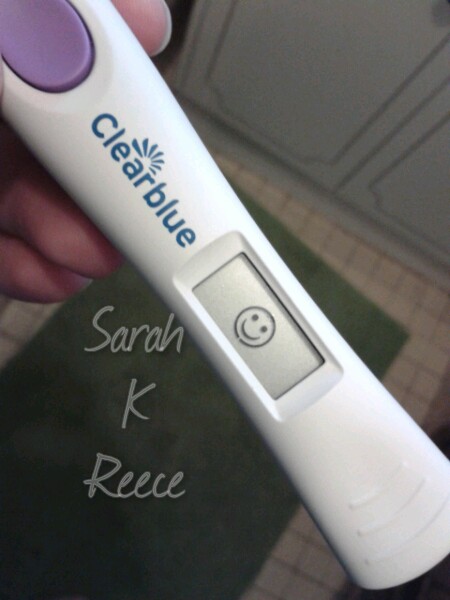
OMG. You’re supposed to get a couple of days warning, but apparently I don’t. This would of course be on the day that we have 3 people coming round for cards and dinner, and are babysitting a very little person until midnight. O.o Currently figuring logistics out with our donor. Oh gods! Eee!

College is over for the year!

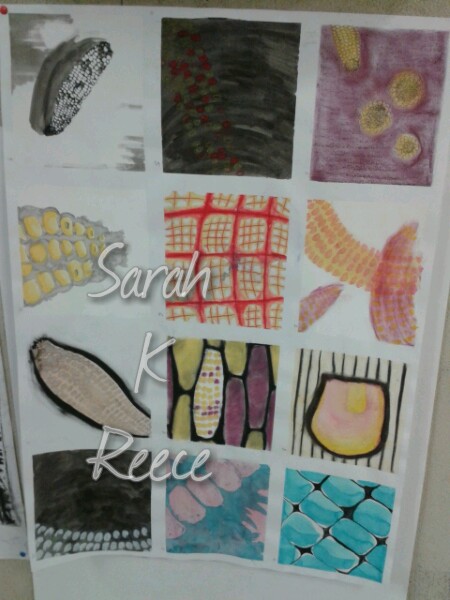
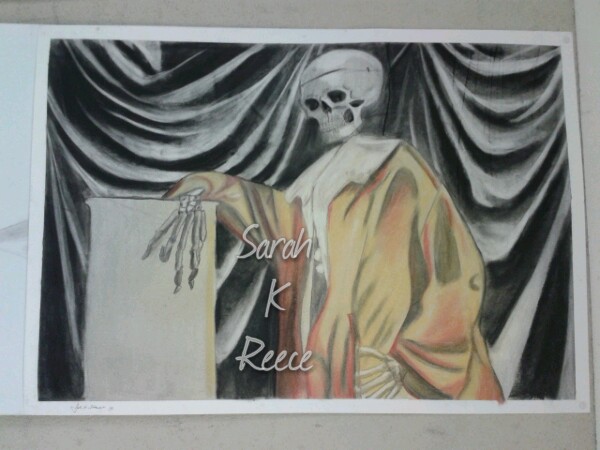
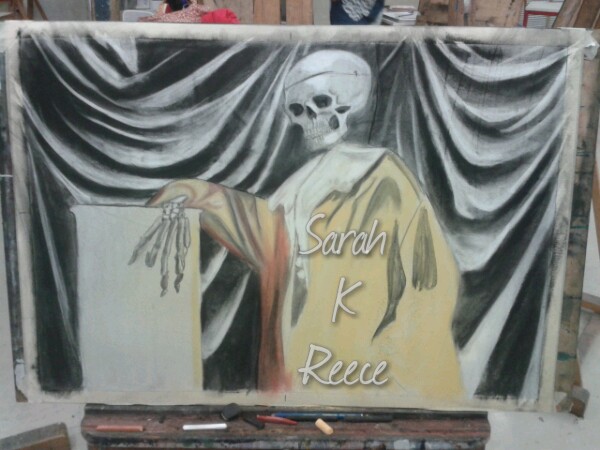
WHOOOT! I am so tired. It’s nearly 3pm and I’m in my dressing gown still. I submitted my journal and drawing portfolio last night, and the lecturer said I had ‘a strong body of work’. Yay. Here’s some photos for you – some you’ve seen part finished, and one I did yesterday in a style I’ve never tried before. I submitted 9 complete works and a folder of experiments. All are A1 size (some are close-ups). I’m pretty proud of myself. 🙂

2014-12-03 18.43.19-1

2014-12-03 12.52.34-1 2014-12-03 12.52.40-1 2014-12-03 12.52.45-1 2014-12-03 18.43.33-1 2014-12-03 18.43.59-1 2014-12-03 20.14.37-2

Everything is due

2014-11-29 13.04.23-1 2014-12-02 11.17.34-1The Hearing Voices Network is taking off! Everything is due at college tonight. o.O I’m flat our replying to emails, arranging meetings, bring people on board, and finishing my drawing journal and portfolio. My lounge is full of easel. Green smoothies have made their way into my diet. I am tracking ovulation in the mornings which means no first trip to the loo mostly still alseep and crashing back to bed because I have to pee on things and read results. I did my crazy massive tutorial for Art History class on Monday and got a HD. 🙂 Things are happening! Well, things except much sleep. >.<


A Big Thankyou

A couple of people I’ve never even met have blown me away by sending me money. When I discovered this, I seriously went to bed and cried! How amazing! A number of months back, as part of my ‘try to adjust to the idea of getting paid for some of the things you do’ campaign (ie hours in therapy with my hands sweating, having panic attacks) I decided to set up a ‘donate‘ button on this blog. Lots of bloggers ask for a little money, a cup of coffee (chai, in my case, thanks) for those who can afford it if they’ve got something useful from the blog. I’ve always been ambivalent and anxious about possibly exploiting someone vulnerable and appreciative who can’t afford it. I hope that’s not happening! But wow, to have someone reach out like that, it’s just… incredible. Seriously mind blowing! I haven’t touched it yet, I can’t figure out what to do with it… I could print welcome packs for my networks! Or buy Christmas gifts. Or add to the car repair fund.

It makes me feel like I’m doing something useful. It gives me hope that if I can just untangle the 17 books that are trying to write themselves through me and get ONE of them out, in some kind of coherent order, that people might actually buy it. Or pay for art in an etsy store. Something! Something where I don’t have to work at the icecream packing store down the road but can actually do some of the things I’m so passionate about to support my family. Not that the ice cream packing plant doesn’t come with perks. I don’t know. I’m in a massive ‘doubt everything’ hole at the moment – just signed up for more college art degree classes next year, didn’t hear back (yet?) about the mental health job I applied for, still don’t know if Rose is going to be employed by Christmas, trying to get pregnant… argh! And so grateful to all of you, even the ones who read but have never spoken to me. You’re part of my world, part of my community. You guys all, in one way or another, help a freak like me to have a place in the world. I don’t always feel it and I can’t always express it, but seriously THANKYOU. Thankyou for listening, for reading, for sharing your thoughts, for reaching out, for donating money, for bringing soup, for knocking around on facebook with me, for hiring me for work, for playing cards, for coffee and chats, for sharing books, for being part of my world. Thankyou so damn much. Thankyou.

The long wait

I’m off all the hormones now, counting days and figuring out how to track ovulation. It does seem to involve a fair variety of things to lick, pee on, and other odd behaviour. Yesterday we picked up an ovulation tracking kit. We sat in the van outside the chemist reading all the instructions together and Rose asks me ‘so what method do you think you’ll use, peeing on the stick, or peeing into a cup and putting the stick in it?’ I attempt to explain with dignity that I have limited experience in peeing onto or into anything but shall practice.

Rose and I are desperately excited and also daunted about how challenging this could be and how long it could take. It’s kind of hard to be rational, I feel like I’m either going to pregnant the first month, or not for a year. I can’t make myself believe it might be, say, month 4. We’re preparing for a trial run of inseminating with our awesome donor in early December. We’re also going to get a blood test on day 21 of my cycle to double check I am ovulating.

Rose is sick again, her psoriasis makes her terribly vulnerable to these awful ear infections. Each time she uses antibiotics she’s at more risk of developing an antibiotic resistant strain of the bacteria. Apparently she’s also increasing her risk of knocking her skin bug balance out badly enough to wind up with a fungal infection in there too, which is what the doc reckons has happened this time. She started getting better after going onto the antibiotics then a day later went downhill badly. So her face and neck hurt like hell, her jaw is stiff, she’s weak and sleeps all the time. It’s kinda scary to be honest! I miss her when she’s like this. She slept over last night when the locum didn’t get to us until almost 1am, and I loved the way she reached out in her sleep or held my hand whenever I rolled over.

Everything’s become infused with this last glow… We talk about Christmas thinking it might be our last without kids, we have a lie in on Sunday mornings and tell each other we should soak this up while we can. And the possibility of months or years trying is something we try to adapt to, but every time I say it to myself, something small inside me squeaks like a squirrel that’s been kicked and curls up into an unhappy ball. We had a chance to visit a birthing suite at our local hospital and it was pretty cool, very different to a delivery suite, large and comfortable with a big bed and a spa for soaking in. It was really exiting and a bit frightening. I felt a long way away from my own territory. I’m doing my best to give myself lots of space to process things before they happen. I’m hoping that book writing will give me a project to focus on while we try.

I’m not quite back in the zone I had going for work before the surgery yet, still struggling to walk far or eat regular meals, and work is erratic because college stuff is due next week and Rose is ill, not to mention I’m behind on housework. Between the surgery and choosing to link my mental health work to my face painting, I’ve scared off about $2,000 worth of work in the past few months, compared to this time last year. I’m expecting that loss to double by the end of this year. That’s sad and hard, but hopefully as I pick up more mental health work it will be worth it. It has been really nice to be in less physical pain from all the painting than I was at this time last year.

Life goes on hey.

Hypnotherapy and Dissociation

I see myself, standing in the forest of Princess Mononoke. I’m robed, head down, hands outstretched, holding a wide, shallow basin which holds dark red blood. I’m offering it.

In my mind, silently, I say the words over and over “this is not something you’re taking, this is something I’m giving.” It’s done with the full awareness of pain and distress, of past trauma. They are not gone or silent, they are present, and yet it is still done. It is a choice, it is a cost in pursuit of something of value, an exchange, a sacrifice. These are things I understand.

About 15 years ago a traumatic incident triggered a sudden phobia of blood tests and drips for me. I’ve battled it mostly unsuccessfully since then, seen trauma specialists, dissociation specialists, and anxiety specialists. Nothing much has worked. Sometimes it’s been so bad I can’t sleep the night before a test. My hands sweat, I tremble, go white, dizzy, weak, and vomit. My head explodes with distress, people screaming and crying, begging us to get away and get the nurse away from us.

This week we went off for a session of hypnotherapy with a woman who’s particular interest is blood or needle phobias. Of course, we had to do some work to calm her anxiety about working with a multiple, as she was quickly overloaded by the complexity of our situation, and embedded in a ‘dysfunction’ model of multiplicity. We said to her “forget all this, this is just details. We’re still human. We have the same needs and fears.” She said to us “hypnosis is just dissociation by another name”.

She did a session, talking about safety. We switched a lot and had an intense inner conversation, figuring out what the block has been (the parts who are not afraid do not inhabit tender body places such as inner elbows), which part is needed (our night poet who is deeply familiar with ‘strength in vulnerability’), what the challenge was (they live in night, in solitude or under stars, fluorescent lights and a blood clinic are about as far from their territory as we can get), and some work arounds for it (draw on the skills we have in theatre to take over and own a space, dress in their clothes, they don’t have to be present for long, use a character or setting that fits to focus on).

So we did, and it worked. Yesterday was the first blood test I’ve had in 15 years with no trace of phobia or trauma reaction. The shrink didn’t do it to us, or fix us. She came into a space with us, that’s all. It’s the same space our night poet inhabits naturally, it’s the same space we access when we do focusing. In that space, we connected with each other and had a complex conversation that lead to answers. We can do this ourselves. We will start a new journal for focusing. This is powerful. There’s hope in it.

There’s also risk. The phobia has been sustained by many things, including an attempt to prevent self harm. We made a call that stopping self harm was no longer going to be our focus, that it was not the real problem. Pain, loneliness, and self hate were the problem. So the phobia isn’t needed. Other things are in this box we’ve tipped over, like traumatic memories of medical procedures as a child. Like a desire to claim and own our own body. Like fear of and fascination with the medical. Like a history of Endo and Adeno that involves a lot of pain and blood. I don’t know where it will take me, but I’m ready to find out. I don’t want or need this bogeyman, this self induced nightmare to try to protect me anymore. I’ll risk disruption and self harm to be able to actually engage with this territory and make some progress through it. I’m not finished, it’s not over. I’m just beginning.

Trans Day of Remembrance

Today was trans day of remembrance, all around people are lighting candles and holding events to remember those trans people who have lost their lives.

You may be trans or have friends or family who are. You may know a little about it or nothing at all. You might understand it intimately or find it deeply strange and unfamiliar. It doesn’t matter, you don’t need an in depth knowledge of gender to get that violence against this community is wrong. Horrifyingly common and deeply wrong.

When trans people are constantly ‘othered’- treated as freaks rather than people, when they’re talked about in the media in a sensational way, when they’re always the serial killer, always the punch line of the joke, when the worst thing in the world that could happen is discovering the person you’re out on a date with is trans, we set the context in which this violence occurs. People are bullied, harassed, beaten. More subtle but just as devastating, finding and keeping employment, safe housing, maintaining connection to family, all can be so much more difficult. Rates of homelessness, mental illness, and suicide are frighteningly high. In healthy, inclusive, safe environments, they’re not! But so many trans people have to live in anything but safe places.

So, be aware. You don’t have to understand a lot if you don’t want to, that’s fine. But notice the sense of threat, fear, and revulsion that underlie the jokes and ridicule… They’re the same things that feed the violence. People are hurt, and every year, people die. Help your spaces; your family, your college, your church, your playgroup, your workspaces, be safer. These people are not victims or freaks. Trans people are highly diverse, just like all people, ranging from angels to scumbags. But no one deserves to be killed for using the ‘wrong’ toilet. We can do better.

Preparing for the death of a child

Rose and I are closer to starting to try for a baby. I’m down to 1/4 of the dose of hormones that keep my endo and adeno under control. We have a wonderful donor on board. I sleep at night cuddled up to a full body length pregnancy pillow and rub oil into my tummy to prepare dry skin for being stretched.

Hope and hopelessness grow in equal measure. “With dreams of a bright future comes also the dread certainty of loss.” You can try to ignore it, stuff it down, run from it, but it will speak to you in nightmares, it will wait for you at 3am, it will shiver in your bones and be a scream that only you can hear, beneath the humming of the world.

So we turn, and sit, and face the unthinkable thing. We are trying for a baby, who may die. Three weeks alive, or 6 months, full term stillborn, early death, accident, terminal illness, disappearance, suicide. To love on this earth is to open your heart to the guarantee of grief. My darling Rose has suffered the loss of six pregnancies. Each deeply desired, dearly loved and hoped for. Each child dreamed of and nurtured with everything that she had. Sometimes love is not enough.

Rose and I have struggled with grief. We’ve had very different needs and approaches and experiences, and this has torn us apart at times. We’ve navigated the loss of friends to suicide and sudden death, the anniversaries of miscarriage, loss of friendships and relationships dear to us. We’re been given many shadowed days to begin to understand each other in grief, to sit with the terror, and start to find our own ways through. We have often grieved alone. Grieving together with a partner or in a family is different. Denied grief, overwhelming grief, grief that shatters lives and tortures the mind is something we’re both familiar with in different ways. We know we’re vulnerable.

Everyone is vulnerable. Our culture often isolates the grieving. We do not speak the names of the dead, we do not know what to say, we visit avidly in the first month and when we’re most needed in the 6th month when the shock has worn off we’ve moved on to other pressing matters. We’ve pathologised much of the process of grief, and presented ideas of joy and sadness as being opposite poles a spectrum rather than separate, legitimate, and overlapping responses to life. Ask anyone who has lost a close friend the same week they gave birth to a child. Ask anyone who has fled an abusive relationship and grieved the loss of their hopes just as intensely as they experienced joy in their freedom.

You cannot ever be really ‘ready’ for loss, because when we think of this idea of being ‘ready’ we picture someone who will be unaffected and unchanged. This is not how grief works, any more than it is how love works. It changes everything in us and in how we see our lives. Some things suddenly become meaningless while others are lit up in the most intense way. You cannot be ‘ready’ when this is what ready means to you. But you can certainly be set up to fall hard. Beliefs such as ‘if god/the universe takes my child away it’s because I was not going to be a good parent to them’ will cause terrible suffering.

The way losses are explained can ease or deepen pain. Rose was once told by a doctor “your body is killing your babies, we don’t know why” which left her distraught and suicidal, with terrible self hate and conflict. Later on, coming across many other explanations for miscarriages, including things like “sometimes there is a problem and the body cannot sustain a pregnancy” or “sometimes babies are not put together right and they die early”, there were other ways to understand what had happened that were not personal and didn’t indicate intent to harm.

Not so long ago my sister’s beloved little cat Kiki died suddenly. It was horrible and a huge loss to her. It brought to mind our families rituals of grief around pets. Whenever a pet or rescued animal dies, we’ve always buried them in our yard. Sometimes wrapped in a cloth or placed in a box, but always in a grave that’s filled with flowers and leaves from the garden.

2014-07-21 15.32.57

Kiki’s grave before burial

We don’t permanently mark the graves, although we do often place rocks or tree stumps over them to keep them undisturbed. The gathering of the flowers has become a very gentle way of returning the bodies to the earth, of connection with the cycles of nature. Pippi and Tessa, my darling rats, were buried under winter lillies. Charlie under autumn leaves and the last of the roses. Kiki under snowdrops. There’s something much gentler about heaping earth onto the plants instead of directly onto a body.

Rituals and other things that mark the loss can be deeply important but also difficult to come up with in the shock of grief. Having a history of them can give us a connection to other losses that’s both painful and encouraging, raising past pain but also reminding us that this is part of life and that there will be new joys.

In early miscarriage there’s often the challenge of not having a body to bury. A ritual such as placing flowers, visiting a tree, lighting a candle, or choosing a date to remember the ones who died can all give a ‘home’ to the grief. In infertility, likewise there is no defining moment or ritual to share. When a previous long term relationship of mine became abusive and broke up, I grieved the children we’d planned together, but I grieved them silently and alone. Grief consumes us with loneliness when we cannot share it, and without a place, date, or name, we don’t have the language to.

People have found ways to work with this. I named the child I’d been planning for and wrote them poems. I lit candles for them when I felt them near and the grief was strong. Rose and I are collecting two lists of baby names, one for living children, and one, pretty but impractical, for any that die. I’ve found an Australian Not-for-Profit called Heartfelt who provide cameras and other services to families who’ve had a stillborn or terminally ill infant. I’ve come across other unconventional ways to mark loss such as this photoshoot of a wedding prevented by death of the groom to be. I’ve read about death and loss and grief, and watched heartbreaking documentaries such as Losing Layla and the follow up Regarding Raphael. I’ve come across instructions on arranging the funeral for a baby, and how to get a certificate acknowledging the loss of an early pregnancy. I’ve found a local funeral company who are creative and flexible and offer home funerals, The Natural Funeral Company.

We’re still not ready. It’s not possible to be ready. But it is very possible to be in denial, under-resourced, inexperienced, and paralysed by fear. That, I’m determined not to be. Grief can destroy relationships. Rose and I hope to journey together, without regrets, whatever the outcome. We walk into the future, full of hope and fear and love, death in one hand and life in the other.

Walking on ice floes

There is a lot going on. The ground under us is slippery.

I realise this is not news to those of you who follow my blog/facebook/have met me… But wow. What a week. Rose and I have done the high of proposing, and one major low of a respected friend who has always been comfortable about her being queer attacking her for the meaningless waste of money that was our engagement because she’ll fight to the end to prevent people like us from ever being allowed to get married. Random crap from strangers we’re pretty used to, but it’s hard when it’s someone you respect(ed). Queer relationships face a lot of stresses that straight ones just don’t, which is really sad and needless.

It’s been very up and down! There are a lot of pressures and changes happening. I’m peaceful, hopeful, scared, grieving, triggered, excited, confused, and tired. Most of the time I feel like I’m juggling it all okay. Sometimes I need to sit and cry about it all. Sometimes it’s been really hard and you start to do that thing where you wonder if it will always be this hard, and never easier, and you wonder how you could possibly bear it. Worse when we’re both triggered and down in a deep pit of loss and pain where it feels like we’ll never laugh again or touch without flinching or feel hope for the future. Then we weave a rope out and hold each other, weeping with relief, because sometimes the only thing more frightening than being alone in your pain is being deep in it with someone else who is just as lost.

We saw Tori Amos in concert last night. She was beautiful. I wept through half the songs.

I am embroiled in a lot of paperwork. I have done a lot of housework. We have put a LOT of stuff for our hard waste collection this week. College is wrapping up and I have 3 more major assignments due. I have handed all my tax related paperwork in for the past several financial years. I am waiting to hear back if I need to work more on them. I can’t wait to have it done, and have college done too. Christmas is coming up fast and I’m horribly unprepared and very broke.

I just found out that I received a HD for my Art History essay. Whoot! 🙂

Last night I halved again my dose of hormones. I’m nearly off the meds and ready to try for a baby. OMG! We have a steady trickle of baby things coming into the house. Last night Rose bought home a huge full length pregnancy pillow to hug when I sleep, helps reduce strain on hips and back. I bought three waterproof bags on special to stuff with cloth nappies when we’re out and about. Our collection of baby clothes and cloth nappies and soft carriers and very tiny shoes is now too large for the big zipped bag under my bed.

There was a big hot button topic on the discussion group on the huge DI facebook page I admin, and my head didn’t fall off. I’m pretty thrilled about that. There were a lot of follow up conversations with me in private that did make my head fall off a bit, but also clarified a lot of my ideas about the DI, what I’m trying to do and why. Which is pretty cool. I’ve finally realised that the biggest difference between what I’m trying to do with my mental health resources, and that of groups, organisations, and resources that I’m frustrated by is the value of Diversity. This can be a guiding principle for me in responding to my own multiplicity, it has moved me from a place of chronic threat to a place of relative peace and community. It’s now been written in to the home page of the DI and I’ve updated the other values too, and changed what used to be called Recovery to Dignity, which is the best word I could think of to encapsulate the principles of the original recovery model rather than what recovery has come to mean as the word has been distorted.

Check out the homepage: Diversity is welcome here!

Check out the new values: Diversity, Acceptance, Respect, Safety, and Dignity.

Month by month I understand more, I can articulate more clearly what I’ve been trying to do, what distresses me so much about the current models, and what we can replace them with. It’s exciting! I’m building something I care deeply about. It’s a legacy. I got several more messages recently from people thanking me for this blog or the DI or the other resources I’ve been putting out there. I stuff them in the space around my heart to keep me warm when I feel useless and insignificant. I’m considering applying for some jobs to give me more money and contacts in the mental health world while I’m trying to build my business. We’re still waiting to hear if Rose is getting her contract renewed. Life is in a strange state of flux. A cat that is both alive and dead in a box we haven’t opened yet.

The Void: dissociation, amnesia, and identity

Dissociative amnesia is not often spoken of. It doesn’t have the fascinating glamour of other forms of dissociation such as ‘multiple personalities’ or fugue states. It seems at times that there’s little to say of the losses of memory, of how frail our sense of the world is when we can’t recall it. It’s subtle but insidious, far more important and powerful than people think.

Some people with multiplicity also have very high levels of amnesia, a form of dissociation in memory. In this case, memories are laid down and stored in the brain, but the dissociation between different parts prevents access to them. So people can live in this surreal twilight world of ‘coming to’ and trying to figure out from context where they are and what has been happening. Life is a bewildering series of changes, something that slips through your hands as fast as you try to grasp it. Other parts live according to their own values, needs, fears, and understanding of the world, and you return to inherit their choices. The world of cause and effect can become brutal when you cannot recall the causes but must live with the consequences. Between skips of memory can pass hours, days, or years. Like Rip Van Winkle, you can wake to find your whole world is unfamiliar.

Other people experience amnesia without multiplicity. Sometimes it gets forgotten that this is very possible. People are told that if they cannot remember great chunks of their day – or their life – that they are probably multiple and other parts must have been living them. It’s actually very common to have amnesia without dissociation in identity, trauma both physical and psychological will often affect our capacity to remember, as can a massive collection of physical illnesses and injuries. Emotion is a key aspect of memory, so dissociation or disconnection in emotions can also affect our capacity to remember. Our ability to remember is also linked to our awareness of the passing of time. Memory is very complex and not particularly well understood.

We’re familiar with the challenges of minor memory loss, the scattered way of life when you’re constantly looking for your shoes, keys, car, phone. It’s not hard to extrapolate that to bigger, but still tangible losses – having found my car at last in the shopping centre car park, I can’t remember where I live. Standing at the checkout desperately trying to remember my PIN number, crying with frustration because I’m 19 but it feels like I have dementia. Trying to fill out welfare forms and having to ask other people what my birth date is. These bigger gaps are like black holes in the world, only in your world. Other people walk over an unbroken path, I fall through, into an emptiness. I float in a void and hope desperately I’ll find the other side of it, pick myself up quickly, dust myself off and keep walking, hoping no one notices my lack of normal functioning.

Other losses can be profound, harder to imagine. People who recall nothing of their lives before the age of 35, except small scraps. People who find that amnesia follows them, at a distance, like a stray dog, eating recall of all memories older than two years previous. People who wake in the morning next to their partner of 20 years and find they don’t recognise them. People who look in the mirror and are bewildered and surprised by who looks back at them. That moment of panic as a stranger approaches you in the street with an easy smile and greets you by name. For some there’s an overwhelming sense of shame, of being damaged and desperately trying to pass for human. For others the loss takes even the grief of loss, there’s a shrug, or a little wistfulness, or even relief. For some, behind the shield of amnesia, dreams and nightmares and all the things they once felt deeply about lurk in their shadows, haunt their sleep, beat against glass walls in their mind, evoking terror.

Without memory, it is difficult to have a stable sense of self. State-dependent memory cuts off a sense of connection to other parts. Each part has their own memories of life and draws their own conclusions based only on their own experiences. Mood dependent memory is the way we recall with ease our happiest moments when happy, and drown in all our saddest when sad. For people in the grip of intense, flooded emotions, such as some who are given the diagnosis of Borderline Personality Disorder, their whole lives and sense of self changes with each feeling. We sparkle when happy, and our whole world is beautiful! We are generous, kind, loving, full of good humour and good will. We bathe in the milk of human kindness, nothing is too big to forgive, too much to ask. When sad, the world is black, bleak, dark, terrifying, choked with misery, full of bad omens and evil portends. We radiate despair and flood everyone near them. We are preoccupied, desperate, overwhelmed by a sense of doom, like prophets who understand the world is ending and shake our warnings at people too blind to stop their partying and take up the ashes and sackcloth. When threatened we are sharp toothed, short of temper, we jump at shadows and see danger everywhere. We bite hands that come too close and nurse the aching wounds of all the wrongs ever done to us. We see the world as violent, unpredictable, deceptive. We look for the trick in every gesture, the hidden meaning in every word. We live with our teeth bared and bite before we’re bitten.

There are a thousand shades of emotion that people don’t even consider, like shades of colours. We are swept from heights to valleys, through quiet contemplation, deep sorrow, burning rage, cheerful spring mornings, restless wild moods, agonising pain, mischievous playfulness. When these states are split off from each other, people’s sense of self changes with each of them. Our sense of the world completely changes, our values and goals change, our expectations of the future changes, our approaches to our relationships change. The thread of consciousness that gives us our sense of stable self is snapped and chopped into bits. What has the potential to be a deeply lived, vivid experience of life becomes fractured, tormenting, and without growth.

For people with parts, fractures along these lines are common – one part will remember all things wonderful in life, another all things painful. When switching and trying to understand the self, multiples get lost in the many versions of self that leave evidence in their lives, the many handwritings in their journals. As a child I sometimes asked other people to describe me, feeling devoid of clarity about myself and seeking to use their eyes as a mirror. There’s an empty feeling beneath shattered memory that can make people feel like they don’t exist. Switching can be like forever walking into a room at the moment someone else walks out.

I once watched a documentary about Clive Wearing, who suffers from chronic severe amnesia due to a virus that damaged his brain. He has almost no recollection of his past (although he has what is called procedural memory, that is he can still do things he once learned to do, such as walk, dress himself, and play music). Clive cannot hold onto to new memories for longer than about 30 seconds. He lives entirely in the moment. He has a diary that moves me deeply. Each previous entry he crosses out, as he cannot recall having written it. Each new entry is achingly similar.

8:31 AM: Now I am really, completely awake.
9:06 AM: Now I am perfectly, overwhelmingly awake.
9:34 AM: Now I am superlatively, actually awake.

There’s an agony here, an awareness of loss and a claiming of life that turns out to be without permanence or meaning. It’s deeply painful to see his distress and be unable to knit back together the damaged areas of brain that leave him in the void. The process is familiar to me, I recognise echoes of the same voids in myself and others.

For those of us with multiplicity, even when co-conscious, the emotional distance of watching but not living all our lives can create subtle breaks in our sense of self. Disconnection in emotion can fragment our ability to emotionally process our lives. Switching can be our own version of suddenly feeling awake. We sweep aside all the knowledge of other parts, sometimes even of our own previous memories, with this sudden conviction that now, I am truly awake. That now, I am really alive. This time, I understand. That this time, I’ll make it work. We do the same things, with the same tools, from the same values, backed by the same seeping aside of our history, and are horrified, surprised, and devastated when we get the same results. We cut ourselves off from our own wisdom, learn nothing from our history, disregard all previous insights. We make abrupt, unsustainable life changes, that change only the names and places, but repeat the same crisis dynamics over and over. When we are briefly aware of this sense of being trapped in a cycle, we feel so helpless and ashamed that it’s a relief to let amnesia or switching sweep it all aside. It’s like having an internal reset button, we go back to the start of the maze and go looking for the cheese all over again, often with the support of people around us and mental health staff who are pleased we’ve stopped being paralysed by our awareness of our futile cycles and are tackling our lives with vim again.

Health and recovery is sometimes sold to us as stopping this process. Limiting the extremes, preventing the switching, shutting down the states. A single part is chosen to be the ‘real’ one, a single emotional state or small collection of them are selected as the ideal, calmest and most rational. All the knowledge in the rest is discarded, all the wildness that gives life deeper mythic meaning, the wrestling with angels and demons, the being moved by things we can’t name are suppressed instead of connected. The goal becomes staying still instead of learning how to dance through them. Life becomes staid, the suppressed grow wilder and stronger, we find ourselves fighting not only with our weaknesses but also our strengths. We dissociate more and more from ourselves and our experience of life.

These processes are not unique to multiples. We all use dissociation to contain memories and feelings, to compartmentalise our worlds so that we can function. Not enough dissociation, being unable to contain emotions and memories can be just as destructive. It can be very difficult for any of us to step back and see the whole, to watch our own patterns and honour our history. We are all partly dependant on the stories we’ve told through which we understand ourselves and the world, and the perspectives of others. Sometimes they help, something they make us blind or tell stories that do us harm. Step back too far and we become numbed observers. Remain forever utterly in the moment, and we fall into the void. In that place, we run to anything that makes us feel better, calmer, safer, no matter how crazy. We self destruct with passionate, spectacular indifference. We search for a sense of self that the search itself destroys. The experience of the void can induce a sense of absolute panic, a desperate, frantic need to DO something, anything, to feel like you exist. Even blood, agony, the fireworks from your whole world being destroyed can feel better than the void.

For me, my journals – and now this blog, are the trail of breadcrumbs I leave for myself to help me see my selves. I write, and then I read, and re-read, seeing my selves through different eyes, charting my life. I find causes for effects. I learn about those people who have the most profound impact upon my life, but whom I have never really met – my other parts, the rest of ‘Sarah’. I am startled by the complexity of life, all the things I do not see that they do, the vast spectrum of colours I cannot perceive, of feelings I know only as words. There’s a sense of being blind, but learning life and self by its feeling in my hands, its taste in my mouth. Sometimes someone comes out who is missing so many threads of information, so much of what we have learned and how we have changed. Sharing our history connects them back to us, to the present moment, to all the gains and losses of our life.

I reconnect the thread of self by honouring that I am alive now, and that I have always been alive. All the parts are real, all the emotions are meaningful, all the experiences are important. I look for the common ground between all the states and parts, and I also learn to celebrate such wildly diverse ways of experiencing the world. I find the things that stay the same no matter what – a fear, a value, a need, a tiny chip of identity. I look for ways to carry them with me through all the changes, I notice the way that feelings or switching changes a value like kindness, the way different light sources make a gemstone look like it’s a different colour. Ideas are refined. A sense of self is not so much found as created. The void remains, but it no longer consumes everything, and my life is no longer spend running from it in fear and back to it in need.
Poem – For Rose: Oh my beloved

This is the poem we wrote for Rose to propose with. We read it to her before revealing her ring.

Oh my beloved
Will you come and make your home within my heart?
Let us be family with one another
In so many ways – lover, sister, friend
We are so many things unto each other
Come and make your home within my heart.
 
Come and build a home with me,
Come share a bed
Hold me when the dreams sing in my bones
And when the nightmares shake them.
Run away some nights when the wind is calling…
 
Don’t promise me your future, love
This is no cage or collar
Do not be mine, be yet your own
Let your wild places still be wild
Keep your secrets; let the night sing in your smile
Grow, and change, confuse me, frustrate me
Break my heart, and help me heal it
Walk with me in the wilds where there is no path
Let us be lost, together and apart,
Let us pick wisdom from our heels like thorns
When your night is empty, call my name.
 
Come and make your home within my heart
I’ll let you down, there are days you will feel homeless
I’m a little broken and sometimes the rain gets in
We will eat love like bread and some days still go hungry
We know love like children who have been hurt
We know grace like widows who hold hands over graves.
 
Come and make your home within my heart
We send a song out into the darkness
To call our children home, to adore them
For as long as we are blessed with heartbeats
And forever after.
 
Oh beloved,
Let me be at home within your heart
I know its a little broken, and the rain gets in
In your beauty, I rest my jaded soul
In your kindness I know peace
In you my joys are doubled and my sorrows halved.

Multiplicity and Love

How do you get engaged when there’s more than one of you?

There’s a million different ways. I’ve written before about multiplicity and relationships, and also about how switching affects relationships. Some people don’t know they have multiplicity when they enter into long term relationships. Some have a single part bond – one part is engaged, the others may have reactions ranging from excitement to indifference to horror, or be entirely unaware this is happening until they come back out maybe months or years later. Some may have group bonds where many parts have relationships of various kinds with the other person.

I’ve done romantic relationships before I knew about parts. They were tremendously challenging. Things would be going brilliantly and suddenly completely derail without warning – what I now know was being caused by different parts switching and needing completely different things. Child parts would be distraught at being kissed on the mouth, wild parts would need to run in the night, the poets needed ink and solitude and contemplation and freedom to be melancholy, the researcher craves new information and sharp minds to discuss with. The experience for the partner is one of ‘consistent inconsistency’. Some days I drink my tea this way and some that. Some days I love licorice and some days hate it. Some days I sink into a hug and some days flinch. Part based roles make it challenging to engage relationship boundaries – this part remembers all the good things, that part the bad. When the former part is out they are happy, easy to get along with, generous, and malleable. When the latter is out, they are frustrated, suspicious, and desperate to repair whatever trust has been broken or boundaries violated. Hence the bounce between ‘everything is awesome’ and ‘everything is broken’.

The real challenge was in discovering that they are both right but also both a little unbalanced because of the skewed information they have to work with. For years we thought my part who recalls the painful and frightening things was simply us being ‘depressed’, and that we should ignore everything we think and feel during those times as merely being the product of mental illness and low mood. Turns out she actually had some really important points, and that without her perspective we’re really vulnerable to exploitation and abuse. On the other hand, most of her proposed solutions were drastic and destructive. We had to take her input and work on something more useful to do with it.

I’ve also tried my hand at romance once I knew about my multiplicity but wasn’t ready to share it. That was challenging in a whole different way. Concealing switching was easy because that’s how my system usually works anyway, but trying to get a partner not to take it personally or think they’d done something wrong when I needed things to be platonic for child parts, for example, was really hard for me. I found that I started to feel like a sleeper agent with a cover story. There were real feelings and people and lives around me, but a central secret about who I was disconnected me, and the constant need to conceal and the terror of being outed caused me tremendous distress.

I’ve been in romances with multiples as well as singles, guys as well as girls. They are wildly different in some ways, but I wouldn’t describe any of them as fundamentally ‘easier’, just different. I’ve found that we gravitate towards people who have access to a wide range of ‘sides of themselves’ if they’re not actually multiple. That is, what we usually mean when we talk about parts of ourselves; ‘part of me wants to study tonight, part of me wants to go hang out with my friends’. People who have found one way of being in the world and stick with it through all circumstances tend to confuse and sadden me. I can often ‘feel’ their buried parts or cut off emotions, and struggle not to interact with those sides of them. I can find myself impatiently waiting for them to reveal more of themselves – particularly when their approach to life is clearly not working for them – why don’t you switch already? Sometimes I feel like the lucky one and people with so little access to other perspectives and ways of being in the world feel like the ones who need help.

That’s not to say that these other ways can’t work! At one point I was in a relationship, as an undiagnosed multiple, with another undiagnosed multiple. When it worked it was beautiful, a synchronicity, us against the world, at last someone who functioned the way I did, needed the things I needed, saw the world the way I saw it. When it didn’t work it was agony. People find themselves in very different situations and navigate their relationships in different ways. There’s no right or wrong answer here, just different ones, and the challenge to love without harming or being harmed.

Rose is the first person I’ve been involved with as an ‘out’ multiple. I vastly prefer it! It means that the night one of my deep, very wounded parts came out and had a panic attack when Rose touched her made sense. I could explain what happened. Rose could adapt. Rose now recognises almost all of my system by sight – how we talk, walk, hold our body, the colour of our eyes. She knows our individual personal names. Even when she can’t tell who it is, she can tell the basics that she needs to know – adult/teen/child, male/female/other, romantic/platonic, reassured by touch/traumatised by touch. With that information we can both navigate the switching and build and maintain relationships between everyone. She’s met most of us who switch out, and with most has formed a strong relationship of some kind. In our case, there’s several who are romantically involved with her, then there are friends, ones who relate more as sisters, ones who only get involved occasionally, and so on. We’ve proposed as a group, and so we didn’t ask her to marry us, but to be our family, because what we’re asking for and offering is different for each of us.

There’s challenges! Everyone doesn’t always get along. Parts have different needs. It can be easy to fall into a carer/caree dynamic as that is how we are seen in the mental health world. There’s the added pressure of being treated as ‘trailblazers’ who are proving that relationships with multiple are (or are not) possible. Rather similar to the way that our relationship is seen as representative of all lesbian relationships in friendship or family circles who haven’t been directly exposed to any others. There’s the challenge of embracing Rose without writing her into my system – letting my child parts love her but not treat her as a parent (that’s our role), not catching her up in the inevitable rescue fantasies that most of us who have at some point been deeply hurt find written into our approach to the world, not seeing her as others who have hurt us when things aren’t going well.

There’s also upsides. Like the time she asks for the part who handles physical aggression when we’re walking at night and group of guys is watching us in a scary manner… and I can say to her – already here love, don’t worry, I’ve got your back. It’s late night video games with my kids, it’s climbing trees with the wild ones, it’s sharing stories of homelessness with the survivors, and having huge conversations about peer work and youth work and social work and community and mental health and power and families. It’s Rose having someone who gets her experiences with flashbacks, nightmares, body shame, and self loathing… and can make her laugh about them. It’s about us having the stamina to switch out the tired ones and make it through a week of Rose in hospital, also keeping the pets alive, easing her trauma reactions so she doesn’t wind up sectioned as well, being there through severe pain, and putting all our needs on hold until it’s over. It’s about the contradictions that make up all people, writ large; the edible glitter on cupcakes and the goth nightclubs, the gardener and the naked body painter in a psychotic whirl, the person who takes lizards off the road and nurses orphaned kittens and the one who burns with rage when Rose is being hurt.

As I keep saying, multiplicity is normal human function, writ large. It’s a dance, between adult and child, light and dark, male and female, the apparently functional and the apparently wounded, the ones who fit in and the ones who don’t fit anywhere. We dance together, sometimes she needs me to make her laugh and my cheeky imp turns up and turns the house upside down. Sometimes I need her to hold me and tell me “don’t worry love, everyone gets to see your charismatic ones. I’m privileged to know the ones who don’t stand up in front of crowds”.

There’s days she cares for me but she’s not my carer. There’s times she feels deep empathy for me, but she’s not with me because she feels sorry for me. There’s needs she has that I’m good at meeting, but we’re not together to exploit my capacity. There’s ways in which we’re similar and also big differences. Navigating multiplicity is a key aspect of every day and every part of our relationship, and in another sense, it’s irrelevant. Once you get used to kids turning up in the lolly aisle at the supermarket and know not to be scared and wander around hand in hand talking about the virtues of kinder surprises vs gummi bears, knowing that I’ll switch back to an adult in time to drive home, it’s just not that big a deal. Once you’ve learned what helps in a bad night, then swinging into action to rub my back and listen empathetically as some wounded soul howls or flashbacks or recounts a nightmare is just part of our life. Trauma is part of our world, some times a big part to manage, sometimes so small it’s barely there, but it’s just something to live with. It’s not a source of shame or fighting or horror, we make plans around it just like we would if I was still in a wheelchair. We don’t compete about who is in the most pain, we don’t treat my experiences or my multiplicity as worse or more important or more amazing than Rose’s experiences of trauma and loss and triumph. She is neither healthier, nor sicker, nor luckier, nor less creative, than we are.

We’re both just people, frail humans, with capacity for light and dark, with frustrating and enduring weaknesses, with amazing strengths. We work to keep our power in balance, to love each other, to own our own stuff, and to make a great life together. Just like anyone else. Love is love.

She loves me

20141109_133402-1I proposed to beloved Rose over the weekend, and she accepted! We’re now engaged. This is her gorgeous ring, a rainbow of 23 princess cut, ethically mined sapphires in different colours, two strands entwined. We can’t actually get married here in Australia, but I felt that we needed to rebalance all the forms, paperwork, lawyers, and bureaucracy that has become part of putting our lives together… we needed some heartfelt romance and rituals of love too.

I’ve been quietly asking little questions and gathering her feelings about rings, proposals, and relationships for months. I was able to put together a good idea of what she’d love – a surprise proposal, somewhere private but beautiful, a story to be able to tell the kids (or grandkids!), a non-traditional looking engagement ring chosen for her, with no diamonds and lots of meaning. I’ve been using my month of recovering from surgery to sneakily put it all together and keep it secret and hide the ring in the house where she won’t find it and I won’t forget it (tip – tell a friend!), and get over the weird ‘worms wriggling in my guts’ feeling of spinning a whole web of plausible lies to keep the surprise, and asked for help and input from various friends. Plans unravelled more than once and needed to be completely rethought, and I was nearly overcome by emotion on several particularly moving nights before the big event and wrecked it all by giving her the ring on the spot, but somehow we kept it all together, and it worked!

She loved it. She said yes. We cried. We made happy memories of the most wonderful weekend. When I can get my photos off my camera I’ll tell you the story. She headed off to work this morning and kissed me goodbye and wished her fiancée a good day. I don’t think that’s getting old for awhile. She’s so gorgeous, and I’m so happy to make her light up like this. I’m humbled. I’m so lucky that she loves me.

I’m engaged!

Painting glass eyes for tiny sculptures

2014-11-05 12.27.53-1

Eeep! I have been really enjoying painting these tiny glass eyes (they’re 6mm) for use in my polymer clay sculptures. They are so awesome! So much fun and sooo fiddly. Even a cat whisker brush stroke looks clumsy on these. Here’s a little example of a sculpture I’m still working on using a set of my eyes:

2014-11-05 12.28.01-1Isn’t it gorgeous!? They actually follow you around the room, no matter where you’re standing. 🙂 I am so enjoying sculpting in miniature, even in my tiny new studio space I can pull it off. I’ve been missing my classes so badly since I have to finish all the rest of my first year subjects before I’m allowed to take on any more sculpture classes, and that’s been kind of heart breaking. 😦 But these little artworks make my heart happy. They take forever, I wound up doing this one at my computer in front of photos of foxes because it was so challenging to get the nose/ear/eye/face shape right. But it will look gorgeous once it’s finished, fired, and hand painted. 🙂

I’m being encouraged to try selling on Etsy and I’m feeling rather tempted!


Dogs are kind of like kids

Dogs! Bull terriers are described as being like 3 year olds in a dog suit. That’s pretty accurate. Now that Zoe is more than 2, she’s moved out of her mad puppy chewing phase. This is great! I had to replace my couch twice, and she went through a lot of shoes, sheets, trousers etc. She also kept chewing up her outside water bucket. In the end I gave up and put one of my cast iron pots out there. She’s had it for a year, but as few months ago I decided it was time to reclaim it. So for two months I had both the cast iron pot, and a new plastic bucket outside for her. She didn’t chew the bucket at all. A month ago I brought my pot in, soaked and scrubbed it for a week, and all was well!

Today it reached nearly 40C. I leave Zoe with a full bucket of clean water, and a huge frozen ham hock to chew. I get home from work to find a badly heat stressed dog who races inside and drinks a litre of water immediately. TODAY of all days she has chewed her bucket into small pieces! WHY!?

So I soaked her down and she covered my house in mud. And now I’m off again running around in peak hour dropping people places. Thankful for vehicles with air conditioning. Kind of want to hug and strangle my dog. She’s certainly been a good introduction to parenting!

Drawing class – charcoal

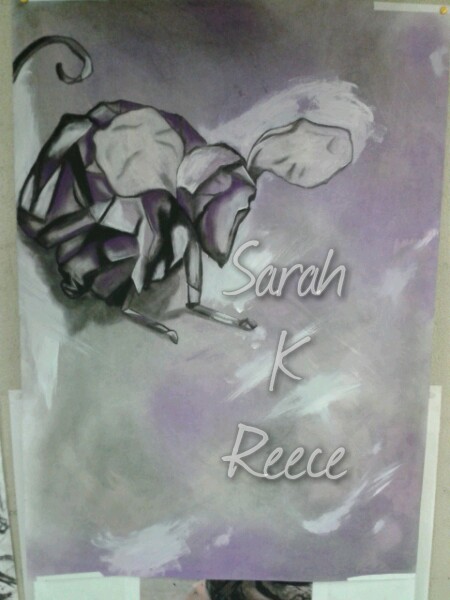
2 hour charcoal drawing from objects arranged by our tutor. I quite enjoy these, they’re challenging. The subject matter is extremely dull, but our task was converting colours to their tonal value of grey. The funnel, bucket, and lantern are actually all primary colours.

image