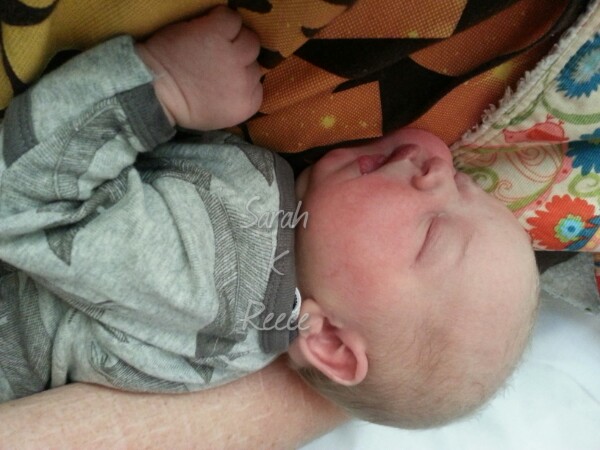
Running around between consultations and wrestling with the office printer today… First colour run of a stunning zine submitted by a local group for the South Australian Mental Health Commission consultation to develop the next Mental Health Strategic Plan… and it’s beautiful. I’m very tired but very happy.
Peer Work
Holding spaces
Finding myself needing downtime, debriefing, and reflection space. So many conversations and experiences to digest. I recognise that lingering uneasy feeling of needing to stop taking in new experiences and find a safe place to slow everything down and unpack.
I find myself thinking of the unpaid and often hidden and unrecognized work of the precious friends, mentors, and loved ones who hold a space like this. I’m seeing how to use such blessings more wisely and waste less time circling the same dilemmas. It’s a rare gift, space in which feelings don’t have to be rational or justified to be explored. I have worked hard to get better at doing it myself for myself and for others, to support people to feel genuinely safe, heard, and understood.
I’m deeply grateful to Rose who has created this haven for me for years now, hours of conversations that at times seem pointless, confusing, frustrating. But that commitment to validation and reflection where I’ve been able to move out of personal journals and into relationship and conversation has been invaluable to me. Her love and skill and patience is a big part of why we work so well together. She is brilliant at listening, being safe for the vulnerable or traumatised, and remembering a my wildness and my darkness when I’m burned dry and can’t recall that I’m really a mad poet who has learned to mimic a regular person but I live, breathe, and recharge best out in the wilds, running along the edge of the night.
I’m so blessed to have some friends who also hold spaces for me, online or face to face. Their timely connection has been the difference between lonely anguish and comfort, severe distress and pain I can howl out of my heart. I’m aware of how lucky I am.
I’m struck once again by how many aspects of therapy that are healing and helpful are also aspects of life and relationship. They don’t have to be walled away as trained skills available only in treatment, by those in regulated relationships. They can and often are part of the very best friendships, they are part of the love that passes between partners, parents, children.
Eugene Gendlin recently passed away. I found his book on Focussing extremely interesting and helpful. I was intrigued that he didn’t take his ideas and lock them away in the exclusive domain of therapists, as is usual. Instead he considered focusing to be a skill any two people could learn and support each other in. Thousands of people have learned and offered this skill of holding space and listening to each other in support groups online and around the world. Precious, peer based. No power. No treatment. Connection. There’s nothing at all wrong with needing professional support. But I don’t like the locking of knowledge into silos, reserved for the experts and not recognised as the significant skill and profound kindness it is when we receive it in our personal lives.
Advocacy – Breastfeeding in Public
I’ve been doing more advocacy work in several areas lately, and working on my terror of journalists… (I’m queer, poor, out about my mental health challenges etc… a member of various groups often not treated well by media) It’s a little bit of an experiment to see what I’m capable of and what the costs are for myself and my family. I’m pretty comfortable with being my own media but handing control over words and images to someone else, and being vulnerable to having your story fitted to their ideas, values, and perceptions is a very different thing.
Breastfeeding parents deserve much better support. I’ve been unfortunate to find myself in a couple of difficult situation, and fortunate in that the journalists who I’ve spoken with have been friendly and not misrepresented me. So a while ago I was interviewed for a snippet on the Channel 7 news which was also shared to their Facebook page. I watched the social media storm once the story went up. I wrote this blog post and then held it in draft for a few months to let things calm down.
Most of the online conversation completely missed the point, sadly. Which is simply this:
I don’t think it’s okay for a business to:
- Refuse to own an unusual policy and blame others instead (‘we wish we could but we can’t because they won’t let us’)
- Keep their policy quiet so many people who it will impact are not aware of it
- Ask people who have fallen foul of their policy and only found out at the last minute to take down a polite post in the event page online informing and cautioning others it will impact
- Not release a public statement about their policy once they realise people are not aware of it, but instead continue to allow people to discover it at the gates of the venue where they are denied entrance because of it
- Randomly enforce their policy by allowing some people to bypass it if they argued it was discrimination
That seems crystal clear to me, and I think most people would agree it’s bad form. That’s why I spoke up. Whether the policy itself is legal is still unclear to me, a call to the Equal Opportunities Commission wasn’t able to clear that up.
What most people were arguing about is:
- Whether the policy itself is a good idea
- What ‘good parents’ should be doing
While these are important topics, from my perspective they are not actually the point in this situation. If the policy is legal, then any business that has it should have the decency to own it, be clear and consistent about it, and make sure the people it impacts know about it. That seems simple to me.
I knew that a social media backlash of some kind was likely when I agreed to be interviewed. Breastfeeding, and babies inconveniencing other people are hot topics, and the internet can be a scary place! Don’t read the comments is the mantra for a reason. I’ve been doing more advocacy in various ways lately and I’m slowly extending my capacity and working to reduce my vulnerabilities. I usually follow a fairly careful – praise in public, criticise in private approach with my online sharing, but I do make exceptions when I feel it’s warranted – in this case I’ve already complained directly and been shut down, and this is important to talk about.
The policy in question?
Not allowing babes in arms at an outdoor picnic concert – Missy Higgins and the Australian Symphony Orchestra, because it was an 18+ event. Here’s the context:
- Here in Australia it is normal that babes in arms can attend many 18+ events, free. They can be brought into pubs or other venues that serve alcohol, they can come to concerts and music events, they can even travel free on domestic flights. It’s generally understood that babies are not benefiting from the event so they don’t need a ticket, and they need to come because they need to be cared for – especially those who are breastfed and like Poppy won’t take a bottle. This is a lot more common than many people think. At the time, if she couldn’t go somewhere, I couldn’t go there.
- We have strong laws to protect breastfeeding in Australia; it is illegal to prevent someone breastfeeding their baby. These laws are essential because there is a lot of hostility from some people. Mums still have issues with being asked to leave restaurants, told they have to feed in toilets or go home, or being harassed and even abused by strangers while nursing – all kinds of things that make being a breastfeeding Mum really hard. So the laws are important because some people have an intense ‘ick’ reaction to breastfeeding and try very hard to make those of us who do it feel uncomfortable, unwelcome, or even unsafe when we try to go about our normal lives. The Equal Opportunity Act makes it unlawful to discriminate against someone in customer service “because they have a child with them or need to feed a child (including breast and bottle-feeding)“.
Remember the issue at hand – if you’re going to have a policy, own it, be honest and upfront about it, and do your best to make sure people affected are aware of it and don’t get caught out by it.
The Story
So, I’m home with Poppy tonight, while lovely Rose goes off to the concert we planned to attend as a family. Back in August, friends all teamed up and bought us both tickets to a beautiful outdoor concert of Missy Higgins and the Adelaide Symphony Orchestra as a ‘welcome to the world’ gift once Poppy safely arrived. We’ve been planning tonight for months. Rose has been playing Missy Higgins music to Poppy so she’s familiar with it. We bought baby headphones which we’ve used successfully at other events in case it was too loud. We have infant safe insect repellent in case of mosquitos. Rose especially has been super excited because she’s really into Missy and has been since forever. When they sold out of hampers and we were broke because Rose’s wallet was stolen, she was worried because their website said we were not allowed to bring our own food. So she called them and said I was breastfeeding and couldn’t possibly go 6+ hours without eating, will there be other food available on the night? They said yes and we planned to put a little borrowed money aside for a meal.
So it was a nasty surprise when our mates contacted us and said – so sorry we’ve just found out no babies allowed! We were sad and upset and called the venue to check. They confirmed this and said it was not their idea, they would love to have babies there, but the liquor licensing laws prevent it. We were pretty upset that even when we called them and mentioned breastfeeding, they hadn’t told us about not allowing babies. They said it was on their website under FAQ’s but when we checked those went up months after the tickets had been purchased. Rose put up a sad but polite post on Facebook in the event letting other breastfeeding Mums know they couldn’t bring their babies. Another Mum found herself in the same position and people started to make phone calls to try and figure out who was responsible for this policy, why none of us knew about it, and if it could be changed.
The liquor licensing people said it was nothing to do with them, vendors set their own policy. The local council likewise. Missy Higgins team said they can’t overturn a decision by the vendor. The Equal Opportunity Commission said they are uncertain if a venue has the right to deny entrance to a baby under these circumstances. We got worried about our tickets to see Amanda Palmer next year and checked in with them – yep, babies are fine, please just take them out of the room if they cry. Phew! That’s the usual scenario, and exactly what we planned to do.
So we went back to the vendor and said hey, council and liquor licensing say babies can attend an 18+ event like this, can we please bring her. Vendor still says no and still insists it’s not their policy or fault. Then they ask can we please take down our post letting other parents know about it. That’s the point at which I got really cranky, because it’s one thing to have a policy like this, and it’s another entirely to not tell people about it! We ask for a refund of my ticket and venue says they will do that.
Phone calls and emails are going back and forth and things are kicking off on social media. People are getting the wrong end of the stick and arguments are breaking about out whether a venue can prevent a Mum from breastfeeding (they can’t and they weren’t trying to, they were preventing the baby from coming) or whether a concert is a suitable venue for a baby, which is a whole different kettle of fish. This was about a baby not being allowed in when usually they would be, and the venue handling the situation in a way I found distressing.
A friend of mine who went along on Friday night messages me to tell me that there is a baby there and they’ve been let in. They go and chat and find out that they were confronted with the ‘no babies allowed’ policy at the door. Shocked, they argued that was discrimination and were let in with their baby, but told they might be asked to leave by security at any time. They let my friend take a photo of their baby to prove they were allowed in, in case it helps us argue to be included. Venue continue to argue it’s out of their hands.
One friend emails a journalist who then reaches out to Rose online. I’m madly anxious about the media and worried about the shit storm that’s developing online, but I’m also angry about how the venue have treated people and the misinformation that’s going on. Harassing parents with babies at the gates is rubbish. So a lovely journalist and a cameraman turn up to my house to interview me. I run home from the blessingway (baby shower) I’ve been at and change out of my pants which have baby poo on them (parenting is glamorous) and stand on my porch to talk about how badly this has been handled. They tell us about the media statement from the venue, which to my mind is waffly and vague and implies they are unaware of the issues and unsure how to proceed. It sounds suggestive that maybe they are now letting babies in after all. Rose calls them again and is told that they are not now and have not ever let babies in for this type of event, not do they plan to. They continue to blame licensing despite us having verified directly with licensing that they wrote the license specifically allowing children to be present. When Rose also tells them she knows they let at least one baby in yesterday, they bizarrely claim the baby must have been smuggled in by its parents. Baffled and frustrated, we give up.
Our friends turn up with icecream. They leave the icecream as consolation for me, and take Rose off to the concert. I get a bit teary about staying home. I jitter my way anxiously through dinner, watch the snippet when it comes on the news and feel hugely relieved about it. A couple of words I wouldn’t use (Poppy isn’t a newborn, and I wouldn’t describe myself as devastated) but they’ve been true to the situation. Phew!
I hang out with Poppy, nursing and helping her nap, and when the clip goes up online have a quick look at the comments which are mostly negative, hostile, and missing the point. My Mum comes over and we play board games. It’s hardly the worst thing to be home with Poppy. 🙂 Rose comes home and shows me a video she took of Missy singing a lullaby she wrote for her baby boy. It’s stunning, we both get a little teary. I’m sure Missy wouldn’t be okay with any of this if she knew about it. It was a truly beautiful night.
What do I think of a policy of not allowing babies into events like this?
As to the points people are mostly arguing about – obviously I personally think the policy is not a good idea. A picnic orchestra is hardly a thrash metal mosh pit and seems to me to be a perfectly suitable place for a baby. I’m concerned that banning babies effectively bans the Mum and the breastfeeding, which may even be the covert intention when people insist on policies like this, who knows? I wasn’t the only person unable to attend because I was nursing a baby.
Policies and laws around things like this are trying to balance a few things – parents rights to inhabit venues and public places with their babies, the need to keep babies safe, and the rights of other people to also inhabit and enjoy events and places. People interpret them in slightly different ways and weight them differently which is fair enough. I get that a crying baby on a bus for example, is stressful and no fun for anyone. However parents and babies need to be able to get places, so we are legally protected to be able to use public transport. There are certainly places it is not safe or suitable to take a baby, and it’s reasonable to exclude them from construction sites and surgeries for example. The venue in our case not allowing babies in appears to be a bit of a grey area.
Personally I think it’s fine to bring a baby to a picnic concert, and I’ve done so more than once. We’ve attended concerts indoors and outdoors, as well as the cinema, restaurants, the beach, swimming pool, my workplace meetings, and a camp with friends. We are considerate and take Poppy elsewhere if she is unsettled, we use baby earphones if the volume is loud, and we have a good time together. It’s important to me to include and support parents, and especially to help support and normalise breastfeeding.

Here we are together at the free Neil Finn picnic concert in Elder Park – which was absolutely full of families, children, and babies having a great time. It was the first big concert Star had ever been to and we had a lovely time. (Yes, that is a multicoloured floral stormtrooper headband, Rose is an incredible shopper)
What do I think ‘good parents’ should be doing?
People’s ideas about safety and good parenting also vary, which is healthy diversity when it comes to their own choices, but often needless shaming when it comes to policing other people. If you think having a baby outdoors in the evening is inappropriate, you are welcome to stay indoors. If I’m happy to sit under the stars with my little one, it’s hardly the kind of ‘safety risk’ that warrants shaming. There’s more than one ‘right way’ to raise a baby. Some families love camping. Some parents are into cosplay. Some like music. How wonderful!
There are things that are clearly dangerous to children, then there’s just the huge range of diversity of human interests and passions. We shouldn’t be judging difference as if it is all dangerous. One person who attacked us compared taking Poppy to see Missy Higgins as the same as taking her into a sex shop. I’m not sure Missy Higgins would appreciate that comparison!
The news snippet was brief of course, so people have misunderstood some details or jumped to the wrong conclusions. There was a mess of hostility. Attacking me for everything from my haircut to not being willing to ‘sacrifice’ going to a concert for the sake of my baby. As if Rose and I have not made sacrifices for her – our first little baby after 7 losses! I find it really interesting that there’s this backlash from some people when parents try to participate in their communities – that being a good parent is about missing out, and staying home with your little one. There are many things I’ve sacrificed for both of the lovely girls I’m blessed with, (dealing with a grade 3 tear leaps to mind!) but I really don’t feel that picnics need to be among them.
If Poppy was a more sensitive baby who was easily overstimulated, then obviously we wouldn’t take her to long, noisy events. But Poppy so far is very social and gregarious. She loves hanging out with people and is more than happy to snuggle to sleep in our arms with crowds or through movies.
As many families at that time of year prepared their children for evening, outdoors, noisy carols nights with fireworks, it seems faintly ridiculous to judge Rose and I and the other parents who planned to bring our babies to a picnic with an orchestra. I don’t think that needless sacrifice or exclusion make people better parents. I think they might make people lonelier parents, or sadder parents, or even perhaps more self-righteous parents. But staying home with Poppy while Rose went out to the concert was not character building. It was hardly the worst night of my life – a night with Poppy could never be that! But it was sad and it made me resent breastfeeding and being at home while a great many of our friends were out having a lovely time. Doubly so that it was a gift from our friends celebrating Poppy being part of our family. Hardly the ingredients for a parent who is content and connected to their baby and their community.
Funnily enough there were also other takes on what being a good parent requires. For some people it was sacrificing going out anywhere kids can’t go, for others it was sacrificing having the kids around, so still going out but leaving them with someone else. You actually can’t get it right as a parent. I’ve seen shaming along each of those lines in different scenarios. The shaming can intensify into virtual lynching if something goes wrong in any of those scenarios (such as a babysitter harming a child). Too often, being a ‘good parent’ means ‘parenting exactly the way I do’, and being fortunate enough to have nothing go wrong. What a load of crap.
This feels like a familiar dynamic to me – the way that otherwise basically kind kids will join in bullying the most vulnerable without really being able to articulate their primitive, instinctual understanding that if they don’t, they might be next. Kindness, ‘live and let live’ acceptance and friendly curiosity about diversity do not thrive in environments that are hostile and unpredictably aggressive. We support parents most like us and shame those ‘others’. We shame each other because we have been shamed, because we are hurting, because we feel we need to justify or own choices, and because we are afraid of being shamed. It’s a cycle that costs us all.
I think good parents celebrate diversity and don’t shame each other for harmless differences. I think good parents participate in the things that are important to them in ways that suit their families. I think good parents make sacrifices when it’s needed and don’t get hooked into an unsustainable culture of self sacrifice and disconnection from their own needs and the wider community.
What did this cost us?
The online storm was distressing enough that Rose and I disconnected from the internet for a few days. Friends were mostly supportive and confused by the vitriol. I found myself curiously invulnerable to a lot of the hostility but it distressed Rose terribly to see people being cruel to me. Some friends were so enraged by our preference to be able to attend the concert with Poppy that they attacked us and then cut us off. This isn’t the first time seemingly minor parenting choices have triggered an unusually aggressive response and the destruction of old friendships. It’s bewildering and sad, needless and infuriating. It feels to me like there are deep wounds beneath these responses.
Other friends rallied groups of parents to get into the comments and push back against some of the misogyny and shaming. I wrote this post to clarify what was going on and why but shelved it to not draw any of the hostility to my blog or personal Facebook page. After a few days the sense of exposure to people’s dark underbelly started to ease and life went back to normal. I hope the massive swell of support would help any other parents feel that there’s a lot of people who do get this and would back them.
Why did I do it?
I did it knowing the risks of a backlash, because breastfeeding has been difficult for me, for many reasons. If the venue had said no babies allowed, my friends would never have bought us tickets and I wouldn’t have been in the middle of it. Having found out about it at the last minute, I also think it’s an inappropriate policy for this lovely event, I think the venue handled the situation very badly, and I think we need to treat parents with more dignity. I believe that our culture puts stupid pressure on parents, shames and devalues mothers, and makes breastfeeding more difficult than it needs to be. There’s a real vulnerability to this, and an assumption by some that Mums can be mistreated because we don’t have enough of a voice, enough time, or enough energy to make a fuss about it. There’s a lot of misogyny in this. Social media can help connect us as well as vilify us.
Because I chose to be visible in this situation, other Mothers heard about this policy over Facebook – before they turned up and were sent home again. The downside is that anyone who saw the backlash may be even more reluctant to advocate for themselves, but after a few days the supportive comments outnumbered the hostile and rude ones. Mothers and allies banded together and backed each other.
We are not alone anymore and we can back each other up. It’s not okay to treat us as second class citizens, deride our writing as ‘mummy blogs’, our effort to raise our kids as ‘not real work’, and the vulnerability of breastfeeding as something we should be embarrassed about. It’s not okay to tear each other down. I feel like I’ve been brave and gone and handled some fire. I’ve had my eyebrows singed off but my house is still standing, so I feel pretty lucky considering. If I’m very lucky I might even get across a small point or make some kind of difference, even if just to the other Mothers who find themselves being devalued in situations like this, or on the pointy end of our brutal culture of shaming, blaming, and excluding. We have every right to participate, to parent in a variety of ways, and to be supported to breastfeed. I’d stand up and say that again.
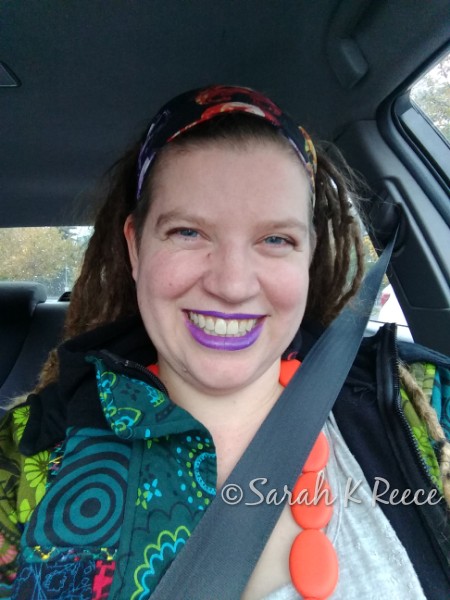
Thankyou for the birthday wishes!
Thank you all kindly, I really appreciate it. I am wrestling with exhaustion and having a lot of down days lately, where my energy is low and it feels like the world is a dark and scary place. It was really wonderful to wake up on my birthday and feel excited that on that day, my world would be a flood of friendly messages. Things didn’t quite go to plan and got really stressful in the middle with dismantling furniture and all kind of shenanigans and my Facebook app not letting me see or respond to half of the messages, which was bothering me because I hate responding to some people and not others in case someone feels hurt, but I couldn’t get a spare minute to get onto my computer… And it all got messy in my brain and I went and hid. There’s been a lot going on lately and my anxiety is high.
Rose, being brilliant and knowing me well, has set up a gift every day for a week and arranged a lunch tomorrow with my family. ❤ So I’ve had little gifts and warm messages coming in every day; a box of chai lattes, a lovely new journal. This weekend she’s arranged a camping trip so we can use my new birthday tent! Close friends are keeping me company online at times which helps when nothing feels safe and I need to debrief some of the stressors.
Today was the first day in long while I’ve been happy all day and it’s been wonderful. I had a good counseling appointment this morning which left me feeling hopeful and energised. I’ve enjoyed my family and my work, played board games, tacklef tricky things on my to do list, and felt excited about my life. Even a little bit loved and special. 🙂 How delightful!
So, thanks everyone who reached out. You’re awesome and I appreciate having you in my life, even on the days I’m struggling and can’t feel your goodwill or care of find any words to respond graciously. I fall into holes from time to time and I crawl out of them again. I’m glad you’re still here. x
I’m on YouTube: “Sarah K Reece on the enriched workplace”
So, I recently accepted the opportunity to speak on camera about mental health in the workplace for the SA Mental Health Commission. This is a big step for me! I’ve written before about the challenges of visibility for those of us who are multiple. I have moved from the written word, to public speaking, public blogging, radio, and now film. I am very proud of myself and very appreciative of the great people who worked with me on this project. Big shout-out to Tracey Hutt for awesome support during the filming, and the great film crew Mixed Mediums. 🙂 There was some back and forth discussion about whether it would be better for me to speak in person or on video about this. I’m very comfortable speaking in person for events, video is new territory for me. But I’m incredibly glad we went with the video – the event was today and I currently have laryngitis! Haha, fortuitous indeed!
Wounded healers
I enjoyed this article which I came across on Twitter tonight. Wounded healer a qualification without ceremony
I’m ‘out’ broadly about things that make me different and ways I struggle. I certainly don’t judge others who are not, nor do I even recommend one choice over the other because at times the costs have been very high for me. We all live to our own values and all values extract a cost which we must willingly choose to bear. Values only sound pretty and wishy washy if you haven’t tried to live to them.
I do not believe any system of care for suffering people can be of real use until we genuinely understand that those employed in it are one of the most vulnerable high-risk groups. Until we make it safe for them to struggle, speak up, and need support we are doing harm. Some of our healers start out wounded, many more are wounded by trying to be healers in our destructive systems. In effect, we are wounding our healers and hoping that their silent suffering will somehow lead to the freedom and recovery of the identified patients.
This cannot work. A system in which half the people can only be wounded and the other half can only be competent is broken by design. All humans are both. Inhuman systems do harm. Either everyone is safe to be human, or no one is safe. Everyone can heal from their wounds, or no one really can.
Sudden death
My family has been touched by death again recently and it’s complicated and painful. Sudden death is like a punch in the mouth you don’t see coming. Rose’s estranged biological mother has died. It’s the end of a complicated relationship. It’s the end of a cycle of abuse, suffering, love, rejection, corruption and hope. It’s deeply sad, a kind of freedom, a loss, a relief, and a new torment. It’s the end of hopes and efforts for change and ‘one day maybe things will be different’. It’s a lot of secrets taken to the grave. It’s unfathomable by those of us lucky enough to have good relationships with our mothers. Some of us have never listened – or choose not to know – of the darkness that can exist between mother and child, of the grief and rage and bewildered pain of the children where things are so bad at home they end up on the streets or in care.
Rose wrote a public farewell, feeling the tensions between the untold stories and the assumptions of others, the pressures on those who grieve to do so in the right ways, to justify their choices and fit their painful, complex experiences to our simplistic ideas about the virtue of mothers. Platitudes that hurt.
Not all children are wanted. Not all children are loved. Not all loved children are well loved. Not all mothers or parents who love have the skills, support, and capacity to meet their children’s needs and protect them from their own demons. Some of us eat our young.
My precious child.
Tonight as you sleep your mama is feeling lots of things. She feels sad, she feels angry. There is relief and guilt and frustration. Your Mama feels lots of things all at once and then nothing at all… numbness always follows.
This week my darling daughter, your mama recieved a call that she has been expecting her whole life. You see… your Mama’s Mama died on monday baby girl; she died in her home from a heart attack. She was 62.
Mama hasn’t seen her Mama in a long time… it’s been about 8 years. Mama made that hard choice and mostly doesnt regret it. They have spoken but rarely and not always nicely. Your mama recently shared stories and photos of you and all the wonderful ways you fill up your Mums’ lives. Her Mama was happy to know you were happy and healthy.
Mama had a complicated relationship with her Mama… it was never easy or particularly healthy. Mama stopped living with her when she was still a kid because she was sick and needed help to be a better Mum. That was tough on her Mama and she didn’t always try her hardest, but she never gave up. My Mama wanted so badly to love and look after me… right until the very end.
Mama knows that things are gonna be tricky over the next little while. There are hard conversations to have and affairs to attend to. Mama is glad she has her best friend and girls by her side. Mama will be ok; she will cry, she will feel bad. Mama will hug you a little tighter, she will tell you that she promises to do her very best, she will possibly cry while rocking you to sleep. Mama will try to take too many photos as usual.
You have done something amazing baby girl; you have turned a broken, alone, afraid little girl into a proud, strong, brave Mama… and my Mama would be proud of that!
Sleep well my precious daughter… you are so very loved xxx
We’re all wrestling in our own way and finding ourselves out of step with each other. Even sweet, innocent Poppy knows something is wrong. She’s been teary and difficult to comfort this week, biting, scratching and clinging to her safe people. We were busy making the transition to Star in school again, and me at work, and Rose at home and in some work. Suddenly we’ve been adapting to this new reality and the presence of death. I’m glad I saw Cave this year. I cry and I’m scared at times for my hurting love, but I’m not crashing into the black place I did a couple of years back. He’s made death bearable for me again.
It’s not so much a transition as a transformation. We are all so changed by the events of the past year and there’s no going back. At times I find myself paralysed by terror, rigid with fears of loss. So much to lose and so much self destruction in me and those I love, such deep wounds. With money from my art, I buy a good pen and write, and my terror eases. Fear steals so much from the good years. I see a therapist who reminds me to breathe into my bones. We sleep and are all still here in the morning. The Rose I wake to at dawn is different to the woman who lay down beside me the night before. And so are we.
Recently we went to the home of this woman Rose has not seen in 8 years. We picked through things, looking for important documents and childhood mementos. Rose shared some of the memories with me. These are the stairs she pushed me down. This is the cupboard I would sleep in when I was afraid. Some of the stories are unspeakably bad. The walls are covered in photos of Rose. The rooms are full memories of pain. There’s shit on the carpet, filth in the corners. The neighbor tells us stories of her kindness and how much she cared for her friends. I never met this women. I feel the complex tangle of who she was to different people in her life. There’s inspirational quotes on the walls, Bible verses in journals. She kept the paperwork where her parental rights were severed. “Lying c*nt” she’s written in the margins of Rose’s testimony. We stack the tins where she kept her street drugs and dirty syringes on the coffee table. Poppy plays with a wooden toy we find for her. We take a few dolls Rose used to love and a little girl’s dress. The place feels like a cage that’s finally empty.
We leave. We pick Poppy up from the ashy floor and gather our little collection of toxic treasures that will hide in our shed until the right day to look at them. It’s over.
We lock the door behind us and drive home, to our beautiful home with our tree hanging green over the roof, our clean beds and lovely daughters, garden full of roses and cupboards full of food. There will be time for grief and rage and bitter pain. The wounds that don’t really heal and the fears that linger. Even when you escape the ghosts come with you, in our home it’s only Poppy who hasn’t yet learned this. But alongside so much pain is now so much tender love. None of us grieve alone. None of us dream alone.
Facing death with Nick Cave
My beloved Rose and my siblings teamed up and bought me a ticket to see Nick Cave as an early birthday present. It was beautiful. The night before I woke at 3 am and couldn’t get back to sleep. Full of emotions I couldn’t put words to, I slipped out of bed around 5 and painted. When Poppy woke and cried out I went back to bed and nursed her back to sleep, then curled up under Rose’s arm weeping. “I’m so sad and I don’t know why”, I cried. “I’m full of sadness and grey rain.”
I’ve been unable to bear death since my decent into anguish at the end of 2015. The consuming black void took over my life for several months, like I’d fallen off the face of the planet. It was a place without meaning or comfort, where everything I once beleived in dissolved. I finally escaped it, but I’ve been running ever since, vulnerable and frightened. Anything to do with death sets off that terror in me. I can feel the void hunting me. It runs and I run before it.
Cave lost a son recently, to accidental death. It’s a devastating thing. It permeates this album with deep sorrow. I stood by the stage in the darkness while he sang Into My Arms, the song Rose and I sang each other to give us courage during the pregnancy with Poppy. I sobbed, mascara running down my cheeks. He made death bearable to look at again.
I was reminded of a student in my art class telling me that about my work. “You make such gentle art about such dark things. You make them bearable to look at.” For the first time in over a year I could hold the idea of death in my mind and not start fraying. This is something art can do.
I realised it was not and never has been death that frightens me, it’s the void; the emptiness of the morning after. The place without the one you lost. “I hear you’ve been looking for someone to love”, he sings. And I think that in all the billion people on this planet, how can I be so afraid of living without someone? Do I really believe that if I lose my beloved people, I won’t find anyone else to love and be loved by? So many of us are so lonely. No one is replaceable, but I don’t have to live forever in the empty spaces.
Story was one of the few things that helped when I was in the void, but it also lost meaning. All our stories, all my hopes and beliefs and values became ‘just stories’ we told in the dark to make it more bearable. Nothing I’d leaned on had substance any more. The story only soothed me in the telling, once the book was shut it had no power. Nhilism devoured me. I felt so alone.
In song, Cave tells us his story. This is how he lives, how he survives. I can do that. The stories are like guides in the dark. We don’t have to travel alone. They don’t have to be true to be meaningful. (Good writers touch life often – Bradbury) It’s okay to need art to make it bearable to look, stories to follow like paths in the wild. To be a teller of stories is powerful. Many stories were told about me and they had a binding power. Learning to tell my own stories with honesty and self compassion has been liberating. Even in the sense of being trapped, lost, empty, and profound failure there is a story that can be told in a way that still dignifies this as part of life. Any Leonard Cohen fan can tell you that. These things are simply part of the human experience at times. We’re all more lost and more failures than we want to be.
Defining Mental Illness
One of the biggest challenges in working with the term ‘mental illness’ is how imprecise it is. Finding other terms and frames of reference is often important to me, because mental illness has so many problems. I’ve written before about my frustration with the way mental illnesses are conceptualised in a couple of posts:
- I don’t believe in Mental Illness (or, rewriting the DSM) – a critique of the way the DSM groups symptom clusters using a medical paradigm. “Psychological illness, injury, and normal functioning become tangled. Defining abnormal becomes nearly impossible”
- Mental Health needs better PR – exploring the ‘upsides’ of ‘mental illness’ and the way mental health can be presented as merely the absence of symptoms. “No more soaring mania, no more anguish, no more blood, no more voices. Mental health is silence, clipped wings, drugged stupor, numb blankness.”
Mental illness as an idea is rather like a huge drag net pulled by a fishing boat. It captures a lot more than it should, and it also misses some really important things that fall outside of the net. We use mental illness as a shorthand term for experiences and problems that are actually outside of the scope of the idea. One of these is suffering.
When we talk about preventing mental illness or reducing the incidence of it we are often talking about suffering. We want to reduce the horrific pain people are in, the suffering experienced by their friends and families who are struggling to understand and support them and find them help. The losses of relationships, careers, self esteem. But a great deal of the suffering that happens and needs addressing simply is not captured by the term ‘mental illness’ unless we stretch it so broadly that almost everyone qualifies as mentally ill. Grief is one example of this. The suffering caused by poverty and inequality which can present in ways that fit our categories of mental illnesses but also may not. Racism and discrimination which lock people out of opportunities, resources, connection, and self respect. Addictions. Abuse, bullying, domestic violence, rape culture. Loneliness, that subtle, pervasive, deadly experience buried beneath so many clinical terms for pain. Alienation, where those who are not invited to be part of the good life start setting fires to the lives of the fortunate. Destructive cultural ideas about happiness, optimism, the value of people, what it is to be ‘normal’, what success means, who the ‘nobodies’ are, what it means when bad things happen to us, and how we heal from pain and live meaningful lives. So much of this is critically important to discuss when we are talking about health of people and health of communities. There are threats, risks, and losses that go far outside the net of ‘mental illness’.
Mental illness also captures too much. Like a drag net that brings in fish as well as turtles, octopuses, and dolphins, there are valuable experiences and important aspects of what it is to be human that are currently tangled into the idea of mental illness. One of these is psychological injury where the mind is behaving exactly as it should under the circumstances. Nothing at all is wrong with the person, but they are distressed and need support. Needing support does not mean there is something wrong with you, this is how humans navigate loss, pain, and challenge. When you start to look at the symptoms of mental illnesses a question arises about whether we are describing the problem or instead capturing and focusing upon a healthy response to the problem. To put it another way, if a wound on my arm has clotted into a scab, my blood is doing its job. My blood is not the problem, the car crash I was just in is the problem. If I am suffering severe emotional pain in an abusive relationship, my mind is working the way it is supposed to and telling me that there is danger I should avoid, just the way it would if I put my hand on a hot stove. Feelings, even painful ones, serve important psychological purposes. The pain is meaningful and purposeful and represents a healthy mechanism, not a sick one. If we ‘cure’ people of emotional pain we make them psychological lepers. Leprosy does no harm to the general body by itself, but those who cannot feel pain struggle to protect themselves from the risks of life and without extra care small injuries cause severe harm. Many of us have seen psychological lepers – people who are not in pain exactly but who seem stripped of some vitality and oddly incapable of caring for themselves. Psychological leprosy is also called institutionalisation.
Mental illness often also captures diversity and eccentricity. There is a natural diversity to the human experience that includes a variety of thresholds for experiences such as psychosis. Under some conditions such as sensory deprivation, everyone will hallucinate. As a community we have a variety of thresholds for these conditions, meaning some people will hallucinate more readily than others. Often this experience causes no harm and in our culture people who experience hallucinations that do not distress or impair them usually keep them secret. There is a massive gap in all our knowledge bases about normal diversity because most of what we know about experiences like this come from people who are too overwhelmed to hide them. Everyone else stays underground.
Idiosyncrasy, that is, the absolutely unique aspect of each of us is a deeply important aspect of living a meaningful life. However it is also in tension with being part of a community in which shared language, beliefs, and ways of doing things are important. We are highly social, as a species, and also highly individual. Creativity and idiosyncrasy have a relationship we are still exploring in research. ‘Normal’ and ‘healthy’ are often defined in such narrow community focused ways that individuality and uniqueness wind up conceptualised as mental illness. The example of a psychologist in a grey pant suit diagnosing a flamboyant black queer man with Histrionic Personality Disorder is a classic example of this. One of my psychology textbooks had a photo of beautiful black man in makeup and fishnets as the illustration of this mental illness. People who fit the conventional culture better often see authentic but less conventional people through the lens of mental illness.
Not only does this lens distort what is normal and healthy about us, it often reframes our greatest strength as a weakness to be overcome. For many of us, the pathway out of the anguish of mental illness is not about becoming more normal (fitting the social norms better) but about becoming more idiosyncratic and then more wisely fitting the social norms we need to. It’s about tuning in to ourselves and learning how strange we really are. What we really need. It’s the reason I don’t tell other people that they should heal their mental illness through art, even though that has been essential for me. One size does not fit all. Only individual approaches genuinely connect with people’s needs. But approaches cannot be individual and people cannot even tune in to what their real needs are when the focus is about restoring ‘abnormal’ thoughts, feelings, and behaviours to ‘normal’. It is a skill, or at least a capacity, to not fit in. To retain individuality in the presence of a strong collective. We are socialised to navigate our community and there is a tension between the I and the We. When things go wrong in any number of ways, that tension can eat us alive. The push to navigate the We aspect better, to fit in and be less strange, can destroy the process actually needed to ‘recover’, in which being different and connecting to how we actually work is skipped for platitudes about reducing stress and the bland roll out of top ten ways to be less crazy and in less pain (have you tried a cup of tea or snapping a rubber band against your wrist?).
All of these ideas also shape our sense of what mental health means. When we think mental health means ‘not suffering’ we limit it to a badge worn by the privileged who have experienced few of the challenges of life and are now satisfied to take credit for their ‘good mental health’ as if it was a personal attribute rather than good fortune. When we think it means being happy we pathologise the suffering and obliterate the dignity of enduring challenge and loss. Pain is part of a healthy, rich, deeply lived life. Lives with tragedy and less privilege are bound up in navigating pain in ways that are difficult for those who have not shared these experiences to comprehend. Trying to eradicate all pain or teach people to be pain averse can destroy rather than develop mental health. Conceptualising pain as unhealthy sets people at war with their hearts and minds. And yet there is also needless suffering, and pain that absolutely demands a response from a compassionate society. Shame, fear, loneliness, self hate, and self destruction are all real. Some suffering must be navigated and for that we need support and self compassion and an appreciation that mental health can actually look like sobbing face down on the bathroom floor because that is a healthy response to circumstances. Some suffering demands alleviation. No child should be raped. Nobody should be treated as scum by services designed to filter out only the ‘deserving poor’ for resources. Some of us are going to hallucinate sometimes. Maybe we play music on our guitar on those days, or maybe we wind up chasing the idea that making the things that make us different go away will make our lives better. A lot of that is down to how we label it.
I’m visiting America!
I’m very excited to announce that I will be coming to California towards the end of June 2017! I have been booked to speak at an event and I’m very looking forward to it. This will be my first time in America so I’m open to suggestions about travel, accommodation, people to catch up with, things to do and see. 🙂
So, if you are in America and would like to invite me to anything; to collaborate on a project, set up some training or education, facilitate a workshop etc then please get in touch! You can learn more about my work here. There will never be a better time as my expenses will be very low given that I’m already in the country. I’m also looking for an opportunity to host an art exhibition while I’m visiting. Talk to me if you have any ideas!
Poppy is still breastfed and Rose is my anchor so we are currently trying to work out how we can put together the funds to bring them both along. (Star has a flight phobia so she won’t be joining us)
This really does feel like my year 😀
I’m doing a lot of thinking for work at the moment and it occurred to me in the small hours recently that sometimes I’ve missed something important about being authentic. It’s a beautiful and tender kind of vulnerability to show one’s imperfections, lacks, losses, and pain. The soft underbelly we have all learned to hide, the tears we cry in secret. But it’s another kind of vulnerability to show our gifts, what we are good at, where we are shiny and brilliant. I’ve wrestled with that. I recall being in therapy at one point talking about how I developed the model for the peer based support group for people with multiplicity and/or dissociation and how I facilitated it, and having the trauma psychologist gravely inform me that I was describing highly skilled work for which I should be getting recognition and pay, work that few people could do. I filed that away and still struggled to write glowing resumes or really capture and share what I can do.
Right now my artwork adorns postcards and the website for the SA Mental Health Commission and I’m secretly afraid of people calling up to yell at the Commission for not choosing a better artist. Right now many of my friends employed in community services are looking for work in a sector struggling with the new NDIS funding model. So, after years of them being employed while I’m job hunting and trying to define my skills and find a place I fit, things are reversed. I’m so full of passion and joy. I’m a little afraid of sharing how wonderful things are when people around me are hurting. And I’m afraid of showing how brilliant I can be when most of us learn as kids that the fastest way to be hated is to get top marks on your assignments. I get wonderful news and run around to all my friends like a puppy dog – will you still like me if I’m successful? Tall Poppy Syndrome is scary.

The only reason I even know about the artists I love so passionately like Tim Burton, Michael Leunig, or Amanda Palmer are because they found a place in the world for their skills and some kind of success. It didn’t make them lesser people, it makes me lucky to be able to share in their work and enjoy what they do. So I’m being brave and putting some more language to my skills. And people around me are being kind about how scary this feels to me and helping me figure it out. I have finally taken the next step in my brilliant career! It fits with my commitment to be human and show in public what we hide in private. I love what I do and I’m good at it. I’m eyeball deep in frameworks and models and designing brilliant approaches. And my art is on display, communicating ideas in the universal visual language. Life is wonderful.
America, here we come!
A big day starting new projects
Rose, Poppy and I are all home from a big day out in very, very hot weather. We have turned on the air conditioner and collapsed on a mattress on the floor of the lounge room in our underwear, like a big pile of puppies. Rose is napping and Poppy is nursing and I’m checking Twitter and accepting new friend requests on Facebook.
Not a lot could have persuaded us to venture out in 42C, but today was something special. Rose let me sleep in until 15 minutes before we had to leave because I am fighting a sinus infection and was feeling so rubbish I cried when the alarm went off an hour earlier. Today was the first meeting of the Community Advisory Committee put together by the brand new SA Mental Health Commission. We were both successful applicants which is very exciting, and brought Poppy along as it was an all day event and she still won’t take milk from cups or bottles. I was anxious about that but it went incredibly smoothly. She’s such a social little baby and the folks there are so friendly. She had a wonderful day cuddling everyone and singing.
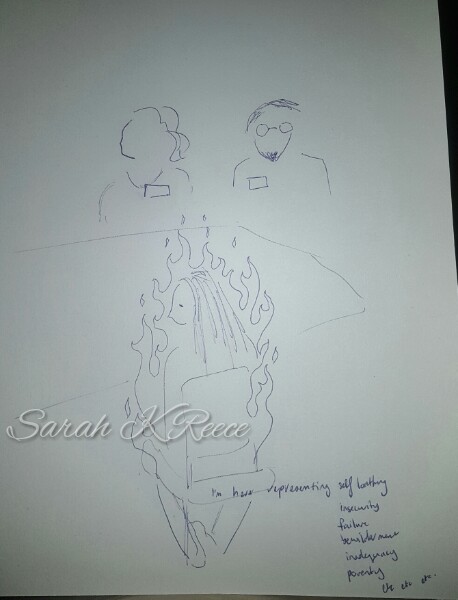
It was a special day. They’ve assembled an amazing group of people and I feel very honored to be included. My headspace was rough to begin with and I felt very small – boardroom type meetings are so very out of my culture still and my sense of failure is very attuned and intense at times. But I drew my distress (as I do) and my sense of dislocation calmed and as it eased I could see how I fit here and what I could bring to it.

“I’m here representing self loathing, insecurity, failure, bewilderment, inadequacy, poverty etc etc etc.
So here we are, helping hold a space to make something new! Other brilliant, vulnerable people with their own communities and experiences of failure and success. People who have heard of pluralism and open dialogue approaches to communication and diversity! Doubt and vulnerability are also valuable to bring to such spaces. I am very excited and hopeful.
Kindness
Nursing my glorious baby in bed by candlelight (electric so I don’t set the bed on fire) and reading a book my beloved traded something to get for me. I’m milk stained from nursing, and tear washed from a counseling appointment earlier today. I went to a cranial sacral therapy session this morning, miserable with the flu and chronic back pain from breastfeeding. I don’t really understand how it works or if there’s any science behind it, but a woman held me while I cried, and looked at me with kindness while I talked about shame. That might be all the magic is, but it’s still magic of a kind. I came home and journalled and sketched and read and felt more myself and connected to my roots. It’s enough.
I’m Multiple and I Don’t Kill People
I did my first interview recently speaking out against the horrific stigma and discrimination so many people have to deal with as multiple. I’ve teamed up with SANE Australia to bust myths and show a human face to multiplicity. Yesterday they published the article: Nine things you need to know before watching Split. It’s beautifully concise and to the point, a much briefer explanation of the issues than this post. I’ve written here to elaborate on the key points and explain in more detail what is going on, why it matters, and what we can do about it.
The new movie Split has put people like me back in the public eye for all the wrong reasons. This movie speaks directly to a popular myth – that multiples like me are dangerous.
This is crap. It’s lazy writing. It’s been done a million times. And always having the multiple be the bad guy harms people who are already afraid of the huge impact being out about multiplicity can have in their relationships, jobs, housing, education, and custody arrangements. Multiples are an incredibly diverse and highly discriminated against community, so why are we still telling the serial killer story? It’s not okay to constantly present us this way. How dare people make money by exploiting the vulnerable.
I’m multiple and I’m a compassionate, hard working, animal loving poet with a very silly sense of humour. I do not murder hitchhikers. I do not kidnap people. I do not terrorise children. I take injured seagulls to the vet. I provide a safe home for friends in trouble. I weed my elderly neighbour’s garden.
You do not need to be afraid of me switching. Switching is just like someone leaving a room and another person coming in. One of us catches the seagull and figures out how to keep it safe, we switch and someone else comforts the distressed child who saw the bird get hit by a car. We tag team our life. It’s actually completely lacking in drama. In my world multiplicity and switching is just normal.
Have multiples ever been killers? Yes. It’s rare but possible. Are some multiples violent or abusive or frightening? Of course. And so are some people who eat fish. Some Mexicans. Some psychiatrists. Multiples run the full gamut of human expression from demons to angels not because of our multiplicity but because we are human. Statistically, you are far more likely to be a threat to us than we are to you.
Why does it matter?
It’s just entertainment though, right? Don’t make a big deal of it. Don’t take it seriously. No one takes this stuff seriously. It’s not real. It doesn’t make any difference in the real world.
If ‘serial killer’ or ‘violent psychopath’ were the only roles we cast people with freckles in, how would you feel about dating a freckled person? Having a child with freckles? A co-worker? How would you feel about discovering you had freckles you didn’t know about?
I’ve watched a lot of the movies or episodes and read the books that depict multiplicity. Some of them I think are great, and that includes some that are brutal or in which the person with multiplicity is scary or the bad guy. (Strange Case of Dr Jekyll and Mr Hyde, Fight Club, Lord of the Rings)
As an artist myself I’m not wild about censorship. I’m not saying we should police our creative content and never allow a negative portrayal. What I am saying is that stories are powerful. Stories are part of culture. It’s far past time we started telling some different ones about multiplicity because the culture that surrounds multiplicity is deeply toxic and destructive. We are aware of this culture and the impact of stories enough that we should be responsible in how we tell the ‘negative’ ones.
Just in case Split was responsible, I’ve been holding off on sharing my reaction until I could read reviews and synopsis. I still had a small hope the famous Shyamalan twist might save it, or that perhaps there were cues in the film to distance this depiction from other people with multiplicity. There were not. It would take very little to do this either in the exposition (‘he’s fundamentally different from other people with DID’) or simply by briefly depicting a different person with multiplicity who is clearly not dangerous. Or even the hero for a change. I have a similar criticism of United States of Tara.
Because we so rarely see multiplicity depicted, every time we do that example is taken to be representative. People don’t come away thinking ‘that’s one example of a diverse experience’, they come away with a vague feeling ‘that’s what multiplicity is like’. This is true of all minority or hidden experiences – as a queer person if I’m the only one someone is friends with, who I am strongly shapes how they feel about all queer people. I’m very aware of this in my advocacy work around multiplicity and I always work hard to stop my own experiences being treated as representative. I see it as my responsibility to be honest and to bring the diversity of my community with me in all my work. A lot of my work is busting myths about multiplicity that are absolutes.
I’m particularly angry about Split because they have gone to a lot of effort to use current clinical terminology and mix a lot of real information and myths together in a way that makes it hard to figure out which is which unless you are knowledgeable about the experience. So the villain has been diagnosed with Dissociative Identity Disorder and is in therapy, real instances of major changes in function such as blindness between identities have been distorted to suggest this change is physical. The Facebook page for Split uses taglines such as “He’s not well“. I’m not personally impressed with the mental ‘illness’ framework for multiplicity or any other form of suffering or difference, but to see the language people use to try to explain their struggles co-opted to engender fear is disgusting. The people behind Split have done enough research to know better.
The website splitmoviehurts.com has a full run down of the movie (behind trigger warnings) and criticism from the perspectives of people with multiplicity, I highly recommend having a look.
Culture
The impact of these stories and issues is called culture. It’s ‘the water in which we swim’ – difficult to see or quantify, but ever present and extremely powerful. We keep telling the serial killer multiplicity story precisely because it is part of our culture and we recognise it. It has a pull. Each time we tell it we re-enforce the links between danger and multiplicity.
Multiplicity is surprisingly common but mostly kept hidden. Activists and advocates like me are certainly out making noise, but comparatively we are rare. There are a lot of reasons for this lack of advocacy and visibility. Culture is one of the powerful ones.
In all the time I have been working and living in this field, I have only just encountered my first instance of someone who is publicly out as being multiple being employed in a non-mental health setting. The culture is that negative, and acceptance is that rare.
Not something we tend to mention to mental health peer workers who out themselves as multiple.
The Toxic Triad
The ‘multiples are dangerous’ stories feed the toxic triad of fear, fascination, and disbelief. These are extremely common reactions to multiplicity. They are profoundly dehumanising and destructive. They do us great harm both when we receive them from others and when we internalise them and express them towards ourselves and each other. These are the foundations of the toxic culture around multiplicity that causes so much harm.
Fear
The story of Split might not be real, but the fear definitely is. When I was diagnosed with DID in 2007 I was terrified of both other people’s reactions, and of myself. I was so afraid that no one would ever trust me again, that I would not be allowed to work with children or finish my psychology degree and support vulnerable people. I was also terrified of my other selves, afraid they might have totally different values from me and be outside of my control. Afraid I might not be safe. Afraid I might hurt someone. I had never seen or heard of multiplicity portrayed in a positive way, as a regular person, or as a moral, safe, and caring person. These are not the stories we are told. I felt bottomless fear that I might be dangerous and not even know it. On bad days I wondered if it would be better to kill myself than risk that possibility.
This terror made examining the possibility I was multiple a year long nightmare in therapy where I attempted to convince the psychologist I might have borderline personality disorder instead – because I perceived that the stigma about that was lesser. Anyone who knows the intense stigma surrounding BPD should shudder at that. This terror made accepting my multiplicity feel like leaping from a cliff into the unknown. It took courage and desperation and it made me feel alone and afraid for my life. It should not be this way and it doesn’t have to be. I did not know then that I had already been switching all my life and actually had a sense of who we were and our values. I did not know that the dynamic between us was like any group or family with its own values and personality. I didn’t know that a system could self regulate and change who was out if something bad was about to happen, or that some identities could override others for safety. I hadn’t yet read that violence is difficult to predict but one of the few useful indicators is past behaviour – which was good news for my system as we have never been the instigators of violence. I hadn’t yet got to know the rest of us and realised they are just like me.
Other people also expect us to be similar to the stories of multiplicity they have seen. I’ve had a psychiatrist tell me to switch in my first session with them to prove my multiplicity, and support workers tell me in disappointment they couldn’t tell I had switched. I’ve also had a PHaMs worker report they did not feel safe with me when I was open that they were meeting a different part that day – and I didn’t even switch in front of them. At the time this absolutely devastated me. To be considered unsafe touched profound fears in me. I cried like the world had ended. I never went back to the PHaMs program. I was heartbroken.
Fascination
There’s an obsession with fakers and fraud, caused by the very limited ideas of what is ‘real multiplicity’ and the perceived gain available to those of us who are public – to be treated as rare and interesting. When I outed myself as having DID to the Disability Worker at Tafe she told me I was fascinating. I told her “those are just my problems. You haven’t seen my art yet”. This is not what I wanted to be known for.
People like me are accused of narcissism and attention seeking. We just want to be ‘special’. Perhaps to have money opportunities or fame- how often are people with plain old garden variety anxiety asked to go on Oprah or given book deals? What other experience is described as ‘the holy grail of psychiatry’? Are we building an insanity defence to get away with murder?
When basic resources and access needs are seen as favours or special treatment we are treated with deep suspicion. Competition for the limited roles of ‘real multiplicity’ is steep and harsh. Instead of supporting self awareness, compassion for uncertainty, and equality we struggle in a toxic environment that lavishes limited resources on a special few and withholds basic opportunities for support, employment, and dignity from everyone. If you can’t get a job then an Oprah presentation or a book deal are essential for income. We get stuck in the culture of sensationalism for the same reasons people with physical deformities used to join freak shows – because it’s the only role we are given and the only way to survive.
When I talk about fascination I don’t mean curiosity. Fascination has an ‘othering’ aspect where the subject is treated as less human. There’s a voyeuristic element to it. It’s intrusive, sensational, and hungry for the bizarre, tragic, or humiliating. Curiosity or interest are respectful and compassionate. Questions are only asked if invited, and from a basis of shared humanity. I love curiosity and I’m intensely curious about multiplicity myself. Fascination is repellent.
Disbelief
Sensational, creepy, dramatic portrayals of multiplicity also feeds the idea that multiplicity isn’t real. That it’s just a plot device used in Hollywood. So people like me are deluded or faking. There’s a lot of disbelief about multiplicity in the general community and the mental health sector. Ironically, I didn’t used to believe in it myself.
I turned myself into pretzel shapes trying to figure out if multiplicity was real or caused by doctors, if maybe I just wanted to be special, if I really was multiple, and if I should be afraid of myself. I doubted everything and examined my feelings and motivations ruthlessly. I was relentless and brutal in my attempt to be sure that I was considering this possibility for the ‘right’ reasons. At a point in my life when I felt so alone and so afraid, the toxic culture about multiplicity was making me treat myself with suspicion and disbelief instead of acceptance and self compassion. This was for me, life threatening. I might not have made it through the process of becoming aware I was multiple. It’s often a time of extreme vulnerability for people.
Films like Split also feed the idea that this is what multiplicity usually looks like: florid obvious switches between dramatically different identities who always change clothing and are completely separate and unrelated. For some people this is pretty accurate. But for most it’s far from our reality. Switches that are subtle, blurring or blending between parts with unclear divisions from each other and a lot of overlap in characteristics, even close friends only noticing what seem to be changes in mood rather than different identities – these are common experiences of multiplicity.
There’s an idea that multiplicity must be obvious to be real. There’s another one that it must be subtle and hidden to be real. Like most of these myths we are stuck whatever we do. Someone will try to take credibility from us.
What other process of diagnosis or identity develops this way? It’s incredibly common for people with multiplicity to doubt themselves and fear the diagnosis in ways I do not encounter anywhere else. It’s common for people to be terrified they are multiple and also terrified they are not. We did not create this culture. It is not our fault. But we inherit it and are pinned by the contradictions and trapped between the myths. We pay a steep price for it. Fear, denial, isolation, years of secrecy, torment and suffering. It costs us years, dreams, relationships, and consumes our energy and resources just to survive. Sometimes we pay with our lives.
We need a profound culture shift!
That’s what I’m trying to be part of with my art, this blog, and my creation of the Dissociative Initiative. I work from values of diversity, acceptance, respect, safety, and dignity. These are the key changes we need:
- Diversity is a normal part of the human experience across a great many domains. People with multiplicity are not special, or at least not more special than anyone else. We are people. We do not deserve to be vilified or idolised.
- A large aspect of the suffering and anguish around multiplicity is to do with the toxic culture and experiences of trauma. We deserve access to resources and information to help us with these experiences.
- People with multiplicity run the usual gamut of decent to awful. We are not a homogeneous group but a highly diverse one. Having multiplicity in itself tells you nothing about whether we are safe, trustworthy, or good parents. It only tells you we have more than one self. We are no more likely to be dangerous, deceptive, or unfit parents than anyone else.
- It is normal for multiplicity to be expressed, experienced and understood by those with it and our friends and family in a wide variety of ways. This doesn’t make some more real, valid, or worthy of acceptance or support than others. DID is not ‘more real’ than experiences of multiplicity as part of OSDD (Other Specified Dissociative Disorder), for example. ‘Healthy multiplicity’ is not more or less valid than people who suffer from multiplicity as a mental illness. It’s also normal for people’s experiences and understandings to change over time. We should not be pitted at war with each other to fight for credibility.
- Diversity in responses to multiplicity is also normal. Some people hate it and want to integrate. Some people celebrate it. Many of us have complex mixed feelings. People have the right to engage it however they wish and do what works best for them. There is no one path to recovery from distress and no single recipe for an authentic life.
We can do this together. We can support diversity, speak out against myths, and work to get stories of multiplicity where we don’t kill people out there. Change is possible when we treat each other with respect. We need to campaign for resources for those who are vulnerable and to care for and hold to account those who share the stories (creative or personal) and shape the culture. Things are changing and we are all part of that.
For more information see a list of my other articles in Multiplicity Links, scroll through posts in the category of Multiplicity, or explore my Network The Dissociative Initiative.
Multiplicity and visibility
Sometimes I hate my advocacy work. I resent being out – or worse, having to come out over and over again. I count the costs and look back at my decision to be open about multiplicity back in 2010 and ask myself if I would do it again, knowing what I know now?
Some days the answer is no. It’s no through tears, through gritted teeth, through anger and a sense of betrayal at every opportunity once open to me that didn’t work out.
Becoming a Mum brings me into contact with a whole new world. I out myself as queer. I out myself as many things. But mental health? Difference, disability? Back in my first public talk about multiplicity, I sat behind a table to deliver it because I was trembling too much to stand. After a lot of thought, I came out on this blog in 2012 with my post I am not Sarah. How the hell can it actually get harder over time?
Because now I have so much to lose.
The most challenging delivery of my Psychosis without Destruction talk so far was one I did for a room full of GP’s while I was pregnant. I was so stuck leading up to it, so blocked trying to rework the talk into the much shorter time slot. Frustrated beyond belief that I was struggling so much, I finally realised that I was simply scared. Our culture is not always kind to mothers who are different. We judge, shame, and fear diversity in mothers. In the back of my mind was the fear that admitting to psychosis in a medical setting might end with being bundled into an ambulance and sectioned.
Multiplicity? It’s the kind of thing people can lose custody of their kids over, and I have a kid now. It’s a conversation I don’t want to have with new mum friends every time. Because drumming up the courage and the ability to set the tone as comfortable and normal instead of strange or frightening takes spoons I don’t always have. Some days I’m all out of brave. I can hide this so well, why not simply walk away from that part of my life and start to blend in for a change?
And then.
And then last night, I get a phone call from an old friend telling me they think they have child parts. And I say – congratulations. Parts can be the most wonderful thing in the world, the closest and most beautiful relationship. Congratulations on discovering this, on being ready to know. Do you want me to send you a welcome pack? Two – one for you, one for your counsellor. No worries. You got this.
I think who else are people going to call to hear that? Some days I love my advocacy work. I love that people know they can reach out to me. I love that less people feel totally alone and strange and freakish. I love meeting others and learning from them. I love hearing the stories and I cherish the diversity.
When people email me to say they are not sure if there’s a place in the world for them – how can my answer be oh maybe there is, but only if you are good enough at hiding it. How can that be the only hope for people like us? When they say to me I make them feel that maybe there is place in the world for someone like us… All the costs are worth it. They seem so small, even petty. Peoples lives are made better by honest sharing.
I have more to lose, sure. And I’ve paid a price anyway, steeper then I hoped to. But beware of greener grass. A life hidden, secret, and isolated extracts a cost also, sometimes more subtle and harder to count, but there all the same. I’ve been lucky. Look at my beautiful life, my wonderful partner, gorgeous children, my tribe of strange, beautiful, good hearted people. I have been so blessed. If I’m not strong enough to have these conversations, if I’m not willing to hold this space, the burden falls to those who can’t hide it. Those with systems that are struggling, those where the loneliness is killing them, where the pain is like a bloodstain on their shirt everyone tries not to stare at. If they are not the first multiple people have met, not the first contradiction of the serial killer trope, then I have helped ease a little of their burden. It’s not much, but sometimes it doesn’t take much to make a difference.
I have known so many multiples over the past few years. We are so diverse, and so normal. We have pets. We have rent to pay, careers we’re figuring out. We get sick, we care for others who get sick. We watch the news and worry about the world. We fight with our neighbours. We stream movies and eat ice cream and get behind on our laundry. We switch and get stuck or lose parts or battle with nightmares or have complicated relationships with our partners. We navigate disclosure in a million ways.
Visibility and activism are such a challenge for so many of us. Think about it this way – there are many gay/lesbian/bi activists because visibility and recognition are key needs – to have our identity, or relationships, and our children recognised as real and legitimate. We don’t want to hide, we want to be identified as gay/lesbian /bi etc. There are far fewer trans activists because most trans people do not want to be identified. We want to live out our lives safely and unobtrusivly. Being identified as trans for some of us is stressful – it may increase the likelihood of discrimination, cruelty, and violence. We want to be identified as our real gender, not necessarily as trans.
For multiples, most of us have learned that imitating non-multiples is the key to success and safety. Our systems are hard-wired for secrecy and hiddenness. Our systems may be vibrant and diverse inside but outside parts cannot be distinguished from each other and switches may be merely subtle shifts in mood or demeanour. For some of us we have learned bitterly that others realising we are multiple can bypass most of the protections it offers and make us deeply vulnerable.
The challenges with visibility go deeper though. As a child I recall watching myself switch in the mirror and having no words to express the way my face was suddenly no longer my own. It was terrifying. For awhile I was convinced I was possessed by the devil. I also developed a deep fear of mirrors. Being confronted with the other inhabitants of my mind and body was intensely disturbing. Imagine coming upon a stranger in your home, in your room, wearing your clothes, your deodorant, your grandmothers necklace. Imagine them wearing your face, using your hands, eating your dinner, kissing your partner.
It’s taken me years to be okay with mirrors. Being photographed. Being video recorded. Having my voice recorded. After diagnosis I had to avoid all of them. Mirrors and reflective surfaces would trigger switches. I could start to identify who was in photographs, I could hear different voices and speech patterns, identify switches between us. For someone who was terrified this wasn’t ‘real’ you might think this would be comforting evidence. It was simply terrifying, falling down a black hole where my identity and existence dissolved and nothing was certain. On bad days I would avoid all these things. On good days I might, when feeling strong, stand in the bathroom for a moment and stare at our face, watching the eyes flickering. Here we are. Slowly getting used to it. Exposure therapy. The unbearable fear becomes over time simply a daily reality. Here I am, brushing my teeth, switching. Mirrors hold no terror for me anymore.
I’ve been out since 2010 and we still don’t share individual names with anyone other than Rose. We don’t sign blog posts or artworks, we don’t identify photographs. We use our group identity as a shield and protect us all behind it. We are so open and so hidden at the same time. We are slowly coming to bear being recorded. Visibility of a different kind. It’s still very disturbing to see ourselves on video. Voice recordings are okay on good days when I have some brave left. I cope pretty well these days with having writing and art on display, and photos of us.
All of these used to be impossible. People would do things like tell me that a piece of writing didn’t sound like me, or that they really preferred one of my artwork types over another (and inside someone curls up in shame that their art isn’t good enough, inside the fear of being found out sounds like an alarm, the impulse suddenly reawakens to police who ‘Sarah’ is, who we present to the world, to try and curate our public self for an impression of consistency). People would tell me that they preferred my clothing style one day over another and we would freeze inside, as embarrassed as when a friend’s mother used to compare me with her daughter as we stood in front of her as kids.
Loathing the ‘specialness’ of the sensationalism – ‘the holy grail of psychiatry’, the media full of terror (even an old teacher of mine was once planning a book where the investigator gradually discovers he is the killer), and the dehumanising of talking about us as if we share nothing in common with other people. We are human. We are people.
The opposite impulse is also present for us. Walking up to the podium to talk about multiplicity at the World Hearing Voices Congress a couple of years ago, a 10 year old part offering to switch out and identify herself ‘so then they’ll see that switching and child parts aren’t scary’ while the wounded one vulnerable to self harm screams with terror at being so exposed. ‘Thankyou, my love, but no, please don’t. You would be wonderful but we mustn’t scare the others (inside).’
I’m not the only multiple being visible, of course. Being visible about something people want to hide means keeping a lot of people’s secrets. It means flying a flag so those who have fallen down the rabbit hole of self have a person to reach out to – even better if it’s someone safe, who will balance sympathy and optimism. Someone not embedded in ideas of multiplicity as a crippling disorder, but not gung-ho about pushing an agenda or assuming their path will be everyone’s path. That’s what I hope to be, what I try to be. A safe starting point in that journey of self discovery. There are a lot of us out there, mostly hidden in plain sight. It’s far from safe to be visibly multiple for many of us. But it’s so important that some of us are.
- For more information see articles listed on Multiplicity Links, scroll through posts in the category of Multiplicity, or explore my Network The Dissociative Initiative.
Art with Love


I’m still happily painting most evenings, given a chance. Last night I finished 6 ink paintings, as part of a larger project. These will illustrate a podcast I’ve recorded and be posted online as a video slideshow. It feels wonderful to be creating. ❤
I’m also thrilled to be selling prints. My Etsy shop continues to reach people I haven’t heard of before, which is really wonderful. Recently I received a message over Etsy that truly astonished me.
I learned that people have been buying my print Waiting for You as a gift when a friend experiences a miscarriage. A woman contacted me to buy another print – a friend of hers had been gifted one, and that friend had given her a print, and she now has a friend who has also miscarried, and she wanted to continue the chain of gifts. It’s so heartbreaking that miscarriage is so common, but to be a part of a spontaneous community response like this – it’s the most wonderful thing I could have hoped for. What an amazing development! 
It means that people are telling their friends when they are grieving, breaking the awful taboo of silence about miscarriage. It means that friends are finding tender ways to respond and connect to each other in grief. People are hurting in connection with their communities, not in isolation. They can hear about resources, they can offer compassion to the next person. It’s a very small thing, next to the loss of a child. Yet it’s also a very powerful thing. Learning that my art has become part of a spontaneous response to such a painful event makes me feel deeply honoured. This is the heart of my art, my peer work, what I love to do in the world. Thankyou all of you who read and share my world in some way, you are part of my tribe and you make this kind of connection possible. ❤
Sharing Beyond Gender Exhibition
Gender is such a loaded concept, so embedded in our lives and self concept that it’s invisible to some of us, and profoundly, painfully important to others. As a multiple with male and female parts I identify as genderqueer. This has been a very hidden and at times painful aspect of my life, which I’ve only begun to explore and be open with over the past 5 or so years. Last year I was nervous but intrigued to be invited to be part of this group, creating art about gender in the context of social media.
At times I’ve struggled to locate myself within the trans community, feeling like I’m intruding into territory where I have no right to be. So I attended the first meetup very nervously, feeling somewhat like an impostor, wondering if to disclose the multiplicity and confused about how to present myself with clothes. If I dress too female will I discredit myself? I always wrestle with my sense of people’s expectations and confusion when the trans story is usually understood as being binary and involving a clear transition. As always, the more I feel the pressure to conform to a story the more I want to pull back from it – so I don’t usually wear all black to goth events and I tend to wear some signifier of feminine identity to trans events, sometimes I dress more feminine for these than I usually do… simply because there is always someone else in our system also craving identity and recognition – no matter how much one thing we may appear to be, there is so often a counter story under the surface. And because there’s nothing in the world like a multiple system for tripping each other up and getting under each others feet.
As usual, I’ve been able to claim my space by realising that I’m not the only one hiding in the wings and wondering if my experiences count. Trans identity as part of multiplicity is pretty common, and neither trans nor multiplicity resources tend to handle it particularly well. There’s tremendous tensions about visibility for trans people as well as for multiples, and in some ways I struggle with both. Being out in one area doesn’t make it easier for me to be out in another. In some ways it can be harder. So, I wrote some info about trans and multiplicity on the Dissociative Initiative website, started sharing a bit more about my experiences here on this blog, and turned up to this project.
It was wonderful in a way to be the new nervous person again. I was vividly reminded of people’s intense anxiety about attending Bridges, the face to face group I ran for a couple of years for people experiencing dissociation and/or multiplicity. Remembering what that feels like is always, I think, a valuable thing, a reminder of what it feels like to be the people I try to create resources for. I wish I had been able to be more involved in this project, I found being pregnant a really challenging time and my system went underground for most of it, along with my sense of gender diversity and trans identity. We were very afraid that there might be changes in hormones when the males parts were around that could threaten the pregnancy, so everyone stayed in lockdown – and continuing to be part of this project felt too awkward to manage at the time.
There are some amazing people involved in this exhibition, people I have deep respect for and feel very privileged to have met or worked alongside. Some I have since given talks with, or got to know more closely, or encountered at other events and I’m struck often by their courage and generosity. If you can attend I think you’ll find the same.
Opening Night Friday
28 Oct 2016
5-8pm
‘Raj House’ Feast Hub Central, 54 Hyde St, Adelaide
There are large prints of memes, digital art and prose, there will be DJ Marc Thomas, nibbles, drinks by Gill Kupsch… and gender-queer play as Brian North gets made-over as orange bearded Brenda. There is space for personal dress-ups if you are inspired!
We have some words from Harry Coulthard-Dare, Jenny Scott, Natalya Gee and Tammy Franks. You can buy one of our zines to prompt more reflection later… or get a raffle ticket to go in the running for a beautiful work of art by Amanda Lee Angel.
If you can’t make it you might like to come Saturday between 10-6 or attend our artists’ talk from 330-430. We’ll be drawing the raffle and awarding 3 participants with digital devices then too!
If you live too far away to visit you can see a lot of our creative activism on the inter-web at www.storiesbeyondgender.com
-
- For more information see articles listed on Trans and Genderqueer Links, or scroll through posts in the category of sex, sexuality, and gender.
Caught in a dissociation loop
Figuring out what triggers your dissociation can be a time consuming process. There’s an inherent challenge in noticing the cue for an experience that by nature reduces your awareness. Anything can be a trigger, however subtle or obscure. There will be a story behind each one, a logic to it that makes sense once you put the pieces together, but when you are at the start of in the middle of that particular jig saw puzzle, often things seem random, unpredictable, and bizarre. People often feel totally defeated and crazy. It’s a huge challenge to believe that things will make more sense down the track, and to hold on to the possibility of recovery.
Something worth keeping in mind is that dissociation can be its own trigger. What first sets something off and what sustains it can be very different processes. Because dissociation is often a response to some kind of overwhelming stress – and because experiencing dissociation can be overwhelmingly stressful, it can be very easy to get caught in a loop where the dissociation triggers itself.
Not everyone experiences dissociation as stressful. For some people, dissociation is sweet relief from intense feelings or overwhelming pain. (see Understanding Emotional Flooding) It is the anaesthetic of life, the calm in the eye of the storm, the still peace of an animal doomed to die. For others, even massive dissociation comes with its own emotional disconnection that shields them from the impact of their experiences. People may describe amnesia, derealisation, or depersonalisation with a kind of numbness or indifference, as if they are telling a story that happened to someone else. However, not everyone gets this emotional buffering – or not all the time. For others of us, we are intensely aware of our dissociation, and fighting against it. We may feel as if we are behind glass, or underwater, or buried alive, or dreaming and unable to wake up, but the struggle to feel more real and connected is terrifying when it’s unsuccessful. Trapped in a psychological limbo with no way home we can become frantic and distraught.
When dissociation is our own personal fuse box, blowing out whenever the stress is too high, the stress of our dissociation can trigger more of it. The more distressed we are by it, the deeper it gets, and the more distressed we become. Fear can be a powerful trigger of dissociation, and experiences of dissociation can trigger intense fear and helplessness. Severe dissociation that we don’t understand, have never seen in others, have no language for, and can’t seem to make stop can be a very traumatic experience. When we better understand our experiences, learn a language for them, discover that they are normal, universal – not only to humans but to mammals, protective, and can be endured and worked with to resolve it – our fear diminishes. Our sense of powerlessness can ease when we understand that our brain is trying to protect us and is not the enemy. Our sense of loneliness and alienation can calm when we find that dissociation is extremely common but merely infrequently spoken about, a large if hidden aspect of the human experience. It is possible to learn more and fear less about dissociation, to be able to feel the triggers and foresee the disconnection without terror, to learn to lean into it and know that it is protective and will pass. It is possible to break the loop and allow the dissociation to become discrete episodes or at least a cycle that shifts between low and high levels at times of different stress.
Another aspect that can lock us into a dissociation loop is how we respond to it. Some people have a passive response to dissociation, sleepwalking through their lives. At the other end of the spectrum, people can become so distressed by and intolerant of it that they resort to extreme measures to break free of it. They may self harm, have compulsive sex, take needless risks, or abuse substances to try and feel something or reassure themselves they are alive. Traumatic replay can be part of this. Putting their mind or bodies into various forms of crisis can temporarily relieve dissociation by countering it with a burst of crisis mode in which we are energised, focused, and profoundly in the moment. However these crises can also be the stress that triggers more dissociation, entangling us in a loop that our efforts to escape only deepen.
It doesn’t have to be this way, and sometimes simply recoginsing this pattern can be enough to break it. It’s certainly something I’ve seen a lot in those of us who have become deeply and devastatingly dissociative, and it can sometimes explain the way that helpful dissociation has developed over time into the ‘pathological’ and distressing kind that takes away from our expereince of life rather than protects it. Other ways of working with dissociation that may be more helpful are
- Increasing our sense of safety – look at my Trauma Recovery Links for more ideas such as Nesting, Artificial Skin, and Territory
- Grounding Techniques
- Learning to manage the triggers of our dissociation
- Rethinking our relationship to dissociation – Dissociation is a super power
- Exploring possibly becoming more skilled at being dissociative, rather than trying to stop being dissociative – see Recovery and Contradictions
For more about dissociation, see my Dissociation Links.
Sarah & Poppy; what’s going on and what’s helping
Well! This is our garden at the moment, bright with red poppies. 
I use pseudonyms for my family members on this blog – just because I’m public about my life doesn’t mean they always want to be. I’m also very discrete about information linked to other people, so for example anything I write about Rose or that might impact on her, she reads and has veto power over before I publish it. That means little frog needs her blog name now she’s been born, and Rose and I have picked Poppy. 🙂
Poppy is going really well, she’s healthy and gaining weight well. I am still a bit of a mess and struggling to get back to health. Everyone was so sure that once I’d delivered bubs my health would improve, but heart-breakingly that hasn’t been the case! I am dealing with a stack of problems and making more progress on some than others. It’s taking a lot of emotional energy, keeping pain levels high, and forcing us out of the house (which I hate with a passion at the moment, it’s so hard on all of us) for expensive medical appointments and treatments. We are regular fixtures at the chemist at the moment and I am very fed up about it. Things are by no means all bad – we’re both making sure we get lovely moments of connection each day and Poppy is simply the most beautiful, adorable little tribelet in the history of the world, but this is the other side of things that it’s hard to put into words at times. Here’s my health stuff – skip it if you’re squeamish.
- A grade 3b tear during Poppy’s birth. No one knows why, I was about as low risk for a tear as it was possible to be. Tears come in grades 1-4 (from grazing through to tearing into the rectum) Mine is pretty bad, I have torn through muscles and into sphincters. It was originally mis-assessed as a grade 2 tear and stitched by my midwife with a local that didn’t work. It was then un-stitched and I was taken to surgery for repair under a spinal block. It was not handled well and the whole experience was pretty traumatic.
- Due to the tear, urinary incontinence. This was a huge shock to me and very embarrassing. Not to mention extremely painful, having urine burn into damaged skin and stitches. Severe pain, numb areas, and no bladder control at all for the first week caused horrible situation where I was peeing the bed or all over the floor without any sensation or warning. Needless to say, there were quite a few keen would-be visitors I was pretty distressed about seeing me in this state. Things are improving as the days go by and the muscles begin to heal.
- Severe genital pain. Days of doctors telling me I shouldn’t be in as much pain as I was describing, contradictory advice about whether sitting on my wounds would heal them faster or slower, and my allergies to most pain killers made this a bit of a nightmare. Some of the pain may be nerve pain, which is not responding even to high levels of pain killers. Some pain is improving as things heal. I’m expecting to need pelvic physio care down the track.
- Thrush, systemically. Genitals, nipples, and mouth. Extremely painful. My tongue swelled up and began to crack as doctor after doctor insisted it wasn’t thrush. Burning pain with every breastfeed from about the second day of Poppy’s life, that got steadily worse each feed. Three courses of antibiotics (for my skin infection, the tear, and then retained membranes) over the past month have destroyed my healthy bacteria levels. Now that all areas are finally being treated I’m seeing rapid improvements across the board – this has been the best news all week. The private lactation consultant we saw on Tuesday picked up on the nipple thrush and within 2 applications of anti-fungal gel I was able to feed for up to an hour without intense pain – I have literally been chewing on my hands to cope with the pain of breastfeeding while people kept telling me it was normal and my skin would toughen up eventually. They were wrong!!
- Tinea (also known as jock itch, athlete’s foot etc, another fungal infection). This is a bit of nightmare for me because I’m really allergic to tinea. It makes my skin peel off and leaves me with horrible, painful open sores. I often get it when taking antibiotics, same as the thrush. I have it all over my genitals and in my armpits. One armpit has almost completely healed, the other is almost entirely an open infected sore, genital area starts to heal then sloughs the fresh skin a couple of days later. Wearing clothing/underwear is very painful.
- The open sores caused by the tinea have been colonised with what my gp suspects is a staph infection. I have to be extremely careful not to infect Poppy. I am washing my hands so much they are starting to develop excema. The infections are painful, itchy, and difficult as hell to cure. I am trying a number of different things looking for something effective – often a treatment looks like it is working for a day or two then things flare back up and I have to add something else.
- Urethritis/urinary tract infection
- Fissure
- Painful lumps in my legs and arms – we are unsure exactly what these are at this stage, possibly fatty deposits caused by a reaction to my high hormone levels. If they get worse or don’t go away after I’ve got the more urgent problems under control we’ll investigate further
- Blocked milk ducts. This means large, hard, hot, painful lumps in my breasts, that could turn into mastitis (an infection). Rose, Poppy and I took a long drive up into the hills yesterday in sheer desperation to see a lovely physio who showed me how to massage the lumps and try to clear the blockages. I spent an hour face down in a hot bath last night doing just that.
- Major breastfeeding issues. Poppy has been diagnosed with a posterior tongue tongue tie, a disorganised suckling method, and of course I’ve had nipple thrush. We also had latch issues for the first week and my milk came in late. Breastfeeding has been a special kind of hell. I am expressing using our breast pump and Rose is learning how to breastfeed Poppy herself using a supplemental nursing system and my milk. (she has not been able to induce lactation herself) It’s been a steep learning curve for us both and frankly after so many extremely painful feeds I’m pretty traumatised. We are still fighting for breastfeeding at this stage. Poppy is also cluster feeding which I have found really hard to handle, so for example I took over a shift from Rose at 6am this morning so she could get some sleep (we handle the nights in shifts now, the nights are really, really hard on us all) and she fed from 6am – 9am. For the first half hour it was calm and even pleasant. Rose woke to me pretty distraught and in a lot of pain by the second hour. Now that we’ve identified this as an issue we are working on making these less distressing. Half the problem is just identifying what the problems are!
- Severe sleep deprivation and mental health distress. After 12 days of early labour disrupting sleep, Rose and I were short on reserves. No one got any sleep the night of Poppy’s birth, and the days in hospital following Rose and I managed less than 8 hours in total, over 5 days and nights. I was extremely concerned about harm to bonding and psychosis. Both have been present in small ways. For example, I’ve struggled to remember who Poppy is at times. Rose has gone out and bought some very feminine outfits for her because I find that helps. When she’s dressed in something more gender neutral and it’s night when I’m more tired, I find myself getting confused and thinking Poppy is Tamlorn, which is heartbreaking.
- Grief. Grief, grief, grief, grief, grief. So many dead babies, so much fear of being judged, told we need to just be grateful, focus on Poppy and don’t think about it, and so on. Rose and I have waited our whole lives for Poppy. We love her so much our hearts burst. We adore being parents. And there is also pain and grief and darkness and fear. There are nightmares where we wake to find her dead. The black hours are really, really black, and we are looking after each other intensely to get us all through them.
- Trauma. I’ve got a lot of stuff to process about birth and postpartum. I’ve been able to have a debrief with the midwife at the birth, and with our amazing doula, and both were painful and healing and desperately important for my mental health. I know I need more time and safe places to talk and that will be a priority at some point. In the meantime I’m debriefing and talking with people close to me and that’s a huge help too.
So, this has not been a regular postpartum recovery. We are getting help for the breastfeeding and seeing midwives, doctors, physios and so on for my health. We are very, very broke because we had no idea we’d need to save up for this time as everyone was confident my health would improve once Poppy arrived, and as I was so ill by the end of the pregnancy we spent our money on treatments and care then. Our tribe have been helping out which is simply incredible and has made such a huge difference. On good days we stay home and hibernate with our new baby and there are salt baths and naked sunbathing and cuddles and photos and a lot of bonding and hope. Those days or hours are only possible because of the huge amount of support we’ve had around us, and I’m so grateful!
We’ve had some folks not really getting why we have not been up to much in the way of visitors. Postpartum is a crazy vulnerable time for most (there’s a cool article here with suggestions about visiting people who have a new baby I can really relate to!), and for me it’s been extra stressful and vulnerable. There’s not a lot of people in the world I feel okay on any level about peeing myself in front of, being half naked while I learn to breastfeed, having nasty open smelly sores, crying every other hour, and dealing with a massive amount of blood and other bodily fluids of all kinds. It’s not about withholding access to the lovely new baby, it’s about protecting us in a really vulnerable time.
Some folks have been asking what they can do to help and I’ve found that impossible to answer. There are some ideas in that article about visiting, but I’ve also been thinking about what other people have been doing that has really made a difference to us all. Here’s the short list:
- Meals/food is awesome. Really appreciated!
- Doing a chore or two when visiting
- Picking up stuff for us like a hand held shower rose for me to keep my wounds clean more easily, or milk, or filling scripts at the chemist
- Helping out with our medical costs
- Touching base via text or messenger and not taking it personally if we forget to write back. I get phone phobic when I’m stressed so don’t take that personally either.
- Listening ear
- Recommendations for helpful things (books, lactation consultants etc) and also not taking it personally if we don’t pick up on it/don’t find it helpful/see someone else
- Clearly communicating things using small words and repeating them when we look glazed or fall asleep mid-sentence
- Not taking anything personally really, we are in survival mode at the moment and things are tough and we are crazy vulnerable and doing our best to take care of ourselves
- Goo-ing over photos and commiserating over the tough stuff. Rose and I keep getting stressed when it feels like we’re only sharing (or people are only hearing) one half of the amazing/horrible experience this all is at the moment.
- Not mixing up the parenting stuff with the health stuff. The parenting stuff is tough and amazing and exhilarating. The health stuff has been a nightmare with no upside. People keep trying to commiserate by telling me being a new Mum is tough which is lovely (and true!!!) but also frustrating for me at the moment because frankly I want more chances to be a new mum and spend less time trying to pick my health up off the floor.
- Understanding the context of our lives with Poppy – there’s grief and trauma and a long history behind this amazing rainbow baby. That’s a different experience from what some people have, it’s a bit messier and darker and opens up some old wounds. I keep being told that being a new mum is the hardest thing I will ever do in my life, and I understand that’s coming from a place of empathy and connection, but for Rose and I it’s not really true. This past fortnight has been crazy difficult, but I’d still say it was easier than some other things I’ve come through, and I’d definitely choose it again over experiences like abuse, homelessness, suicide, and miscarriage.
So there we go. Huge love to all our peoples. I hope it’s helpful to have things laid out more clearly than we’ve been able to until now. I swing between massive gratitude for the good fortune, good care, and love of our friends and even strangers (new friends!) we’ve received over the past few weeks – and feeling overwhelmed, guilty that so many new mum’s in our position don’t get this care, and swamped by self loathing for needing the extra support. It’s all very up and down, this postpartum thing! Thanks for being part of it with us. ❤
Big wins
(written yesterday) Today has been a big win for me. I got dressed in something more than underwear for the first time since giving birth a week ago. This is bloody exciting.
Rose and I walked to the park with our daughter. I got to feel grass under my feet, sun on my face, the stitch in my side, pain in my yoni, so on and so forth. Post-partum recovery is a bitch. I hadn’t realised how much being in hospital was doing my head in until getting out. I felt actually human being outside. Leaving the hospital the other night, I wept standing outside in the night, the first time out daughter had been outside in her life.
When we got home I walked inside with our daughter, slumped against a wall and sobbed with relief. Bringing her home felt like the finish line of a marathon. Home and safe and back in the real world, my own daughter to love and nurture and protect.
My milk has come in, and in a big way. I expressed 70mls today for Rose to use to give me a sleep!
I have the emotional stability of a three year old at Christmas. Hysteria is one second away, as is intense happiness. Rose has been a champion at supporting me and baby girl.
Breastfeeding has been insanely difficult and very painful. I’m learning, and getting more feeds that don’t hurt happening, but I’ve had to stop everything else and really focus to do it. My whole world has revolved around it. All the skills I learned about feeding or daughter back when she was constantly underfed and hungry are redundant once my milk finally came in. She has had to figure out how to feed differently too, otherwise I drown her in milk. The whole two steps forward, one step back dance is emotionally wrenching. Breastfeeding is super easy for some people (and I hate of all them at the moment) but for me it’s been a crazy steep learning curve so I’ve done everything I can to make that curve less steep. I focused on learning only one position (football hold) in one location (bed) with one set of needed supplies (two pillows, burp cloth, moo goo, rolled up face washer, water bottle) and focused on getting a latch that didn’t hurt too much. It takes both hands, I need Rose there to feed or water me, and there’s often pain to manage in the way of chafed nipples and sitting on stitches, as well as muscle aches from days spent on bed hunched into weird positions tense and stressed. I don’t wear a top but live in a bra with soft nipples pads, and I swap a bracelet from wrist to wrist to remind me which side I fed on last time. I break a bad latch over and over to get a not too bad one or occasionally a really good one that doesn’t hurt at all. And I don’t try anything else until I’ve got this.
Once I’ve started getting it consistently, I add in a new challenge, like being able to do it in low light at night, or being able to sustain the latch using only one hand so I can feed myself at the same time. Keeping that learning curve small as possible though because I need all the success I can get. It was a shock to get home from hospital the other day and realise I couldn’t attend my GP appt because I currently can only breastfeed at all in one way and one location, some of the time. I’m working on it!
Our midwife visited recently and I was in a bad state, I’d been crying hysterically for most of the morning, the lack of sleep was shattering me, nightmares were incredibly distressing, and I’d found that I was starting to get out daughter confused with Tamlorn in my mind, which was scary and sad. My pain levels were intense and I was trembling with misery. She offered to debrief the birth and words just poured out of me, the good and the bad, tears and fear and stress. The jumbled confusion of experiences that were at once both amazing and terrible, surreal, sublime, and traumatic. The relief of being able to talk about it in the past tense, happened not happening, to start to sift and name and find words for it all was like having the weight of a house removed from my body. I had thought that the pain and exhaustion was physiological – hormones, sleep deprivation, fibro, post surgery pain. But a debrief took so much darkness out of my world. ❤
Any plan is better than no plan
Welcome to my world. Can’t give you a baby photo, light is too low and I’m not using a flash and waking her up for any reason on earth.
Tough night last night. Screaming, distraught baby, 1.5hrs sleep for me, and feeding for hours at a time. Breastfeeding is a serious set of new skills with a steep learning curve. My milk hasn’t come in yet and little frog is hungry.
Rose and I have each had a big meltdown over the day and the midwives have been awesome with us. We’ve got some advice about the feeding and constructed a plan for tonight which is desperately helpful because after not much sleep through all the early labour, I’m so strung out the damn walls were throbbing this morning. There’s nothing quite like the sheer misery of sitting in your own urine for an hour trying to feed a baby with chafed nipples, stitches and torn skin burning, and bubs screaming with distress everytime you try to stop… ‘tough it out and hope it gets better’ is a plan I can only work with for about another 72 hours before things get hellishly bad. We’ve had plenty of little glimpses down some dark tunnels we are very keen to avoid travelling. No wonder people wind up in serious trouble. We’ve only had a taster.
So we are changing tack now, getting lots of support for the breastfeeding, which is helping a lot – I no longer need to bite my fingers to stop myself pushing her away from my breast due to the pain. We’re having to concentrate hard – no distractions, no multi tasking, watch, learn, focus, ask questions, try it again. I’ve now had 3 hours sleep in 48 and I’m learning as quickly as I can. The sense of hope about having a plan and a sense of why things have been so tough is simply incredible. I can’t do this indefinitely but tonight I can do this.
I’m also off the stronger pain relief which frankly sucks and it’s making keeping my head together tough as hell but on the other hand it’s easier to focus as long as I get lots of emotional support. I’m traumatised enough to be struggling with body memories of injections and so on and nerve issues with numbness and burning pain which will hopefully improve soon. Poor body.
Bonding is good and intact, Rose helped me bath little frog, and get some skin to skin time, which I missed out on a bit due to needing surgery after the birth. Little frog is s simply the most beautiful thing in existence and worth every bit of effort and pain.
Early days
Today I had my first breastfeed that didn’t bring tears to my eyes with pain. Hopefully we’re figuring this out. To everyone who recommended Moo Goo balm – you are absolutely right, it’s good stuff.
Still in hospital, it’s pretty intense right now. Little frog is perfect, I feel quite broken, physically. It’s going to take me some time and TLC to recover. Rose has her hands full taking care of both of us. (not how I wanted this to be) The hospital physio has been fantastic and a huge support. And the baby cuddles are amazing.
Joy
I’m so happy.
On the other side of the grinding chronic pain, the sense of disconnection, the humiliating vulnerability, the crushing fear, the darkness that sucks me dry… is a strong, buoyant joy.
It’s not ‘keeping my head together’. It’s not employing strategies to manage my thoughts or feelings, or keep perspective, or look on the bright side, or support my own mental health in the ways we usually think of them.
It’s the aftermath of honesty, the raw pouring of heart into some receptacle – journal, compassionate ear, hole in the ground beneath a tree. We don’t have to claw our way up after unburdening the unspeakable weights, we simply float.
It’s the pushing back against all the stories I’ve been told, what I’ve been told I will feel and think and how this will unfold – and my growing bewilderment at trying to fit my experiences to powerful master narratives that partly match up and partly do not. It’s clearing some space to speak my own story and claim my own truths about my experience, finding in those tiny, personal details the richness of life, the personal and unique in a greater story of what it is to live and be human and try to bring a child into the world. There in those details is my life, is what makes my life my own among the experiences of billions of others. There is where my meaning is found.
It’s also the flying of a heart that’s been caged by chronic pain and found some relief. Yesterday my gum infection flared and set off bad pain my face. Combined with the exhaustion and pain of prelabour I was swamped. I have searched back for what used to help me during the bad years of severe fibro when I couldn’t walk or drive but was brain awake enough to need things to do so the restlessness, boredom, and relentless pain didn’t make me self destruct. One of these things was skilled work with my hands that required focus. I learned embroidery and needlework among other small, skilled crafts.
So I’ve taken up bead loom work again, and there in the quiet space of following my pattern and building my design, I find some peace. The building distress eases, the sense of guilt that I am failing to manage my pain, that I know better and should handle it better, the painful self consciousness that my shattered attention is increasing my perception of it, drowning me in it- all those are left behind and my mind becomes still as my hands create. It’s not even a tainted capital A ‘Art’ where I’ve been criticised too often and get swamped by insecurity and justifications for spending my time and money this way, it’s an untainted lower c ‘craft’. Stepping into it merely requires me to tolerate the scorn that it’s too traditionally feminine, that anything that isn’t ‘real art’ is a waste of my time, and that adjusting to impairment, disability, and pain will mean I never recover. That’s easier from a place of vulnerability. Capital A Art for me needs an altered space or a lot more self confidence.
Rose heats me a wheat pack and I sit by the heater beading, and for the first time in hours I don’t feel tortured. The rocking calms, my broken focus stills like scattered birds coming home, my hands thread and sew tiny beads. My breathing steadies.
That night I lay in the luxury of a hot bath with beautiful scented oil Rose bought for me, reading by the candlelight, and the trauma state washes out of me. I don’t feel small, helpless, broken, and afraid. I feel beautiful, loved, content, and at peace. We share a quiet evening together, watching DVDs, talking about our daughters. She does a breast pump, I eat soft fruit with the relish of the newly awakened – delighting in scent and flavour, senses alive. The night is soft and gentle around us. My joy is effusive and my mind feels clear.
My heart is full to overflowing. I’m so in love with my family, these beautiful women, my lovely home. Rose and I watch our littlest daughter rolling in my belly, powerful and vigorous. I’m excited to meet her, and I finally feel ready for her birth – ready to meet the challenges of it, ready to wait for it. I can endure the uncertainly and the transforming vulnerability of the in-between space of prelabour when I can so clearly see my little girl is okay. With that star to guide me, there’s time for wonder and even joy. The love in my heart bears fruit on the vine and bursts within me. Rose and I lay in the dark together and breathe each others air, skin warming to skin, dreams nesting beside us like cats.
I’m so happy.
Art about multiplicity
I am doing a massive clean and sort of our home and belongings to make room for our little Frog who could come at any time now. Today I stumbled across this old artwork, made in about 2002 and exhibited at a psychiatric conference through my involvement in the Amigos program with Second Story. It pre-dates my diagnosis of DID by about 5 years, in fact I’d not even heard of the condition at this time. And yet to me it captures so well some of that lonely, fractured experience.
Multiplicity – What is co-fronting and blending?
There’s a lot of new terms to learn when you’re engaging the wonderful world of multiplicity, because in some ways multiples function very differently. Some of these terms are clinical, which basically means invented by shrinks and doctors, and some have come into use through books and autobiographies written by multiples. One of the trickiest aspects of language is that it is not fixed – shades of meaning evolve over time. With a fairly ‘new’ lexicon like that around multiplicity, this is even more the case, and as admin of a large online group, I’m constantly surprised by the new terms or new meanings ascribed to terms I come across. Most people have a fairly idiosyncratic take on language and it’s often helpful to double check what they mean when they use a certain word. Having said that, there’s also value in having dictionaries of definitions to help us communicate with each other, particularly for those who are new to the topic and can feel bewildered by the terms being thrown around. For more common terms and discussion about language see Language, definitions, and common terms over at the DI.
Co-fronting or co-hosting refers to a process where more than one part is out, inhabiting the body at the same time. I’ve personally experienced this, the first time I was aware of it, it was a very strange moment. A sense of shared space slowly dawned on me, and with the awareness came a sense of something precariously balanced that would quickly collapse if I thought about it too much or had too strong a reaction to it. “I” was talking to someone who was struggling with a difficult situation. That tends to be my area, I have the counselling/listening skills and inclination. So the face, the voice, the mouth, the eye contact were all mine as I interacted with this person. However, we were also making dinner at the time. Someone else was doing that – moving hands to chop vegetables, borrowing eyes to read the recipe and use a knife and stove safely. We coexisted for about 20 minutes and then one of us went inside and the other took over completely. It was startling and surprisingly graceful.
I’ve had other experiences such as having an adult out while a distressed child takes over the hands to scratch at raw skin, or being able to soothe that child by asking Rose to gently stroke our hands.
There’s a similar term that means something a little different – co-consciousness. That refers to more than one part being aware of what’s going on in the body/the outside world at the same time. The opposite process of co-consciousness is amnesia, where only the part who is out is creating memories of what they are doing. Everyone else in a system may be sleeping/unconscious, talking with each other, or doing other things in an internal world. They may or may not be aware time is passing. They may be fighting for control of the body, but they are not sharing it. Awareness without any control of the body can be helpful or frankly traumatising, depending on the circumstances. For more about this see What is co-consciousness?
Systems vary widely in their experiences of multiplicity, something I can never seem to say enough. For some parts, when they are not ‘out’ in the body they may have no awareness, or total co-consciousness. Some systems have never experienced co-fronting, while others do it all the time. It can be as simple as one part running the body and cleaning the house and another part quickly reaching out with a hand to snatch to safety an item of value that would otherwise wind up in the trash. To some extent, we all do things with our bodies that are outside of our awareness at times – body language is full of examples of this where our feelings or impulses are expressed through escape movements, muscle tension, micro-expressions, and subtle cues we are frightened, aroused, bored, or resentful. Consciousness, identity, and awareness are all complicated and interesting aspects of the human experience, and it’s certainly not just multiples who have experiences outside of their perception of control and volition – although the scale of those experiences can be much more confronting and intense.
To discuss co-fronting we are also getting into the territory of how switching between parts works for various systems. For some, switching is instantaneous as blinking, while others take a long time. (for more about switching, see Rapid switching) Some don’t so much co-front with two separate selves as blend between selves in ‘switches’ that can take hours or days to resolve to a single part. Some systems experience ‘blending’ or ‘merging’ where two or more parts come together for periods of time and function in a unified way before separating out again. This can be highly productive or sometimes totally the reverse – periods of blending or temporary integration can be times of chaos, dysfunction, confusion, and exhaustion. (for more about this, see What’s the deal with integration?) I know people with multiplicity at both ends of that spectrum – some for whom they are never stronger and clearer than when their A Team has got together, and others who are foggy to the point of barely coherent and shut down for days when their system gets stuck with more than one part blended. For some systems both outcomes are possible at different times or under different circumstances.
The topic of co-fronting raises interesting questions about how parts relate to the body. The multiplicity lingo tends to be borrowed from the old ideas of a ‘brain/body’ split where there is a difference between existing in the mind and inhabiting the body. It gets very interesting when you start to wonder about things like – where do parts come from, and where do they go when they are not ‘out’? How is conscious awareness different from bodily awareness? What are parts, exactly? I’m fascinated by the way we explore these ideas so little in the literature and make such sweeping declarations about how this all works. The reason these questions are so difficult to answer is that we don’t have the answers for non-multiples either. We don’t know how consciousness works, how self awareness and identity interact. How a single sense of self is created from a multitude of brain processes occurring simultaneously. How memory, emotion, and perception overlap and impact decision making processes. We have theories and observations and big gaps in our knowledge base. Every year we learn more and more about our brains, and every new bit of information challenges an existing idea in some way. As nice as certainty can be, it’s not really how science and knowledge work. In the meantime however, finding language to describe experiences and exploring how we are all similar and different is a powerful aspect of learning, connecting, growing, and living deeply.
For more information see articles listed on Multiplicity Links, scroll through posts in the category of Multiplicity, or explore my Network The Dissociative Initiative.
Making peace
It was a super stressful day for my household, for reasons I won’t go into. Things worked out well in the end, thankfully, but it was really hard, with a lot of anxiety and tears. We celebrated good outcomes with ice cream at our new favourite haunt in town – 48 Flavours, which lives up to its name by being delicious and having 48 options to anguish over choosing. We all got home around 5pm and the lot of us promptly went back to bed for a couple of hours of sleep or rest.
This evening we are recharging with pasta and hazelnut chocolate and chai lattes in front of a Harry Potter and the Deathly Hallows marathon. Baby girl is kicking, the heater is keeping us warm, and the critters are dozing peacefully. Star is sketching, Rose has been cooking and preparing drinks for us, and I’m getting notifications that people are buying my prints through my Etsy shop, which is making me a little teary all over again, although that’s also because Dobby just died.
It’s very peaceful here. I love my little family. ❤