Trying to get pregnant

Trying to get pregnant is weird. Coordinating with our donor when we didn’t get any warning about ovulation was quite challenging. We pulled off three inseminations over the last three days. Don’t talk to me about making sure the stupid cup lid isn’t cross threaded and leaking! I’ve spent a lot of this weekend feeling exhausted and lying around with pillows under my bum. I’m off my antihistamines and feel like I’ve been left on an ant hill. I’ve got big patches of zinc cream over missing skin. The fricking soles of my feet are so itchy I could happily shred them over a cheese grater. I can’t remember what I’m allowed to eat or drink. Rose randomly does things like poke me in the nipple and ask if they’re tender (they are now!). I can’t tell and I suspect if I knew all the symptoms I’d have them just out of general hopefulness. Trying to get pregnant is moving, beautiful, strange, funny, irritating, and icky. In so glad we’re doing it at home instead of through a clinic where it’s just another medical procedure. I’m already finding that aspect stressful, being able to go with things and play music and talk baby names and cuddle and have a chocolate or whatever we feel like together is so much nicer. Every sign of possible pregnancy seems to be uncomfortable, icky, or inconvenient. I just realised this morning that I didn’t start the martial arts course I was interested in yet, so I’m not allowed to now.

I wish I owned a vacuum cleaner, there is so much pet hair in my unit. Rose offered me one for Christmas, which I turned down because it was unexciting, but now I’m wondering if looking a perfectly good gift vacuum in the mouth wasn’t a stupid idea for a possible mum to be. Rose’s work are playing an exciting game of seeing how close to Christmas it can be before they tell us if she has a job. It’s like playing chicken with a small creature on the road, running it over or swerving at the last minute, and laughing at it because it looked stressed. She’s applied for about one billion others, but the ones that short list her are all out in the country… Work are also docking her pay randomly, apparently for overpayments they don’t specify. We’re pretty sure this is illegal but the payroll department seem to get away with it by not answering their phone or returning messages.

I’m really tired. Thank gawd college is over for the year. I’m going to go bathe in vinegar before I take off any more skin. I may or may not be pregnant. I am definitely itchy and bewildered.

I’m ovulating!

image

OMG. You’re supposed to get a couple of days warning, but apparently I don’t. This would of course be on the day that we have 3 people coming round for cards and dinner, and are babysitting a very little person until midnight. O.o Currently figuring logistics out with our donor. Oh gods! Eee!

The long wait

I’m off all the hormones now, counting days and figuring out how to track ovulation. It does seem to involve a fair variety of things to lick, pee on, and other odd behaviour. Yesterday we picked up an ovulation tracking kit. We sat in the van outside the chemist reading all the instructions together and Rose asks me ‘so what method do you think you’ll use, peeing on the stick, or peeing into a cup and putting the stick in it?’ I attempt to explain with dignity that I have limited experience in peeing onto or into anything but shall practice.

Rose and I are desperately excited and also daunted about how challenging this could be and how long it could take. It’s kind of hard to be rational, I feel like I’m either going to pregnant the first month, or not for a year. I can’t make myself believe it might be, say, month 4. We’re preparing for a trial run of inseminating with our awesome donor in early December. We’re also going to get a blood test on day 21 of my cycle to double check I am ovulating.

Rose is sick again, her psoriasis makes her terribly vulnerable to these awful ear infections. Each time she uses antibiotics she’s at more risk of developing an antibiotic resistant strain of the bacteria. Apparently she’s also increasing her risk of knocking her skin bug balance out badly enough to wind up with a fungal infection in there too, which is what the doc reckons has happened this time. She started getting better after going onto the antibiotics then a day later went downhill badly. So her face and neck hurt like hell, her jaw is stiff, she’s weak and sleeps all the time. It’s kinda scary to be honest! I miss her when she’s like this. She slept over last night when the locum didn’t get to us until almost 1am, and I loved the way she reached out in her sleep or held my hand whenever I rolled over.

Everything’s become infused with this last glow… We talk about Christmas thinking it might be our last without kids, we have a lie in on Sunday mornings and tell each other we should soak this up while we can. And the possibility of months or years trying is something we try to adapt to, but every time I say it to myself, something small inside me squeaks like a squirrel that’s been kicked and curls up into an unhappy ball. We had a chance to visit a birthing suite at our local hospital and it was pretty cool, very different to a delivery suite, large and comfortable with a big bed and a spa for soaking in. It was really exiting and a bit frightening. I felt a long way away from my own territory. I’m doing my best to give myself lots of space to process things before they happen. I’m hoping that book writing will give me a project to focus on while we try.

I’m not quite back in the zone I had going for work before the surgery yet, still struggling to walk far or eat regular meals, and work is erratic because college stuff is due next week and Rose is ill, not to mention I’m behind on housework. Between the surgery and choosing to link my mental health work to my face painting, I’ve scared off about $2,000 worth of work in the past few months, compared to this time last year. I’m expecting that loss to double by the end of this year. That’s sad and hard, but hopefully as I pick up more mental health work it will be worth it. It has been really nice to be in less physical pain from all the painting than I was at this time last year.

Life goes on hey.

Preparing for the death of a child

Rose and I are closer to starting to try for a baby. I’m down to 1/4 of the dose of hormones that keep my endo and adeno under control. We have a wonderful donor on board. I sleep at night cuddled up to a full body length pregnancy pillow and rub oil into my tummy to prepare dry skin for being stretched.

Hope and hopelessness grow in equal measure. “With dreams of a bright future comes also the dread certainty of loss.” You can try to ignore it, stuff it down, run from it, but it will speak to you in nightmares, it will wait for you at 3am, it will shiver in your bones and be a scream that only you can hear, beneath the humming of the world.

So we turn, and sit, and face the unthinkable thing. We are trying for a baby, who may die. Three weeks alive, or 6 months, full term stillborn, early death, accident, terminal illness, disappearance, suicide. To love on this earth is to open your heart to the guarantee of grief. My darling Rose has suffered the loss of six pregnancies. Each deeply desired, dearly loved and hoped for. Each child dreamed of and nurtured with everything that she had. Sometimes love is not enough.

Rose and I have struggled with grief. We’ve had very different needs and approaches and experiences, and this has torn us apart at times. We’ve navigated the loss of friends to suicide and sudden death, the anniversaries of miscarriage, loss of friendships and relationships dear to us. We’re been given many shadowed days to begin to understand each other in grief, to sit with the terror, and start to find our own ways through. We have often grieved alone. Grieving together with a partner or in a family is different. Denied grief, overwhelming grief, grief that shatters lives and tortures the mind is something we’re both familiar with in different ways. We know we’re vulnerable.

Everyone is vulnerable. Our culture often isolates the grieving. We do not speak the names of the dead, we do not know what to say, we visit avidly in the first month and when we’re most needed in the 6th month when the shock has worn off we’ve moved on to other pressing matters. We’ve pathologised much of the process of grief, and presented ideas of joy and sadness as being opposite poles a spectrum rather than separate, legitimate, and overlapping responses to life. Ask anyone who has lost a close friend the same week they gave birth to a child. Ask anyone who has fled an abusive relationship and grieved the loss of their hopes just as intensely as they experienced joy in their freedom.

You cannot ever be really ‘ready’ for loss, because when we think of this idea of being ‘ready’ we picture someone who will be unaffected and unchanged. This is not how grief works, any more than it is how love works. It changes everything in us and in how we see our lives. Some things suddenly become meaningless while others are lit up in the most intense way. You cannot be ‘ready’ when this is what ready means to you. But you can certainly be set up to fall hard. Beliefs such as ‘if god/the universe takes my child away it’s because I was not going to be a good parent to them’ will cause terrible suffering.

The way losses are explained can ease or deepen pain. Rose was once told by a doctor “your body is killing your babies, we don’t know why” which left her distraught and suicidal, with terrible self hate and conflict. Later on, coming across many other explanations for miscarriages, including things like “sometimes there is a problem and the body cannot sustain a pregnancy” or “sometimes babies are not put together right and they die early”, there were other ways to understand what had happened that were not personal and didn’t indicate intent to harm.

Not so long ago my sister’s beloved little cat Kiki died suddenly. It was horrible and a huge loss to her. It brought to mind our families rituals of grief around pets. Whenever a pet or rescued animal dies, we’ve always buried them in our yard. Sometimes wrapped in a cloth or placed in a box, but always in a grave that’s filled with flowers and leaves from the garden.

2014-07-21 15.32.57

Kiki’s grave before burial

We don’t permanently mark the graves, although we do often place rocks or tree stumps over them to keep them undisturbed. The gathering of the flowers has become a very gentle way of returning the bodies to the earth, of connection with the cycles of nature. Pippi and Tessa, my darling rats, were buried under winter lillies. Charlie under autumn leaves and the last of the roses. Kiki under snowdrops. There’s something much gentler about heaping earth onto the plants instead of directly onto a body.

Rituals and other things that mark the loss can be deeply important but also difficult to come up with in the shock of grief. Having a history of them can give us a connection to other losses that’s both painful and encouraging, raising past pain but also reminding us that this is part of life and that there will be new joys.

In early miscarriage there’s often the challenge of not having a body to bury. A ritual such as placing flowers, visiting a tree, lighting a candle, or choosing a date to remember the ones who died can all give a ‘home’ to the grief. In infertility, likewise there is no defining moment or ritual to share. When a previous long term relationship of mine became abusive and broke up, I grieved the children we’d planned together, but I grieved them silently and alone. Grief consumes us with loneliness when we cannot share it, and without a place, date, or name, we don’t have the language to.

People have found ways to work with this. I named the child I’d been planning for and wrote them poems. I lit candles for them when I felt them near and the grief was strong. Rose and I are collecting two lists of baby names, one for living children, and one, pretty but impractical, for any that die. I’ve found an Australian Not-for-Profit called Heartfelt who provide cameras and other services to families who’ve had a stillborn or terminally ill infant. I’ve come across other unconventional ways to mark loss such as this photoshoot of a wedding prevented by death of the groom to be. I’ve read about death and loss and grief, and watched heartbreaking documentaries such as Losing Layla and the follow up Regarding Raphael. I’ve come across instructions on arranging the funeral for a baby, and how to get a certificate acknowledging the loss of an early pregnancy. I’ve found a local funeral company who are creative and flexible and offer home funerals, The Natural Funeral Company.

We’re still not ready. It’s not possible to be ready. But it is very possible to be in denial, under-resourced, inexperienced, and paralysed by fear. That, I’m determined not to be. Grief can destroy relationships. Rose and I hope to journey together, without regrets, whatever the outcome. We walk into the future, full of hope and fear and love, death in one hand and life in the other.

Walking on ice floes

There is a lot going on. The ground under us is slippery.

I realise this is not news to those of you who follow my blog/facebook/have met me… But wow. What a week. Rose and I have done the high of proposing, and one major low of a respected friend who has always been comfortable about her being queer attacking her for the meaningless waste of money that was our engagement because she’ll fight to the end to prevent people like us from ever being allowed to get married. Random crap from strangers we’re pretty used to, but it’s hard when it’s someone you respect(ed). Queer relationships face a lot of stresses that straight ones just don’t, which is really sad and needless.

It’s been very up and down! There are a lot of pressures and changes happening. I’m peaceful, hopeful, scared, grieving, triggered, excited, confused, and tired. Most of the time I feel like I’m juggling it all okay. Sometimes I need to sit and cry about it all. Sometimes it’s been really hard and you start to do that thing where you wonder if it will always be this hard, and never easier, and you wonder how you could possibly bear it. Worse when we’re both triggered and down in a deep pit of loss and pain where it feels like we’ll never laugh again or touch without flinching or feel hope for the future. Then we weave a rope out and hold each other, weeping with relief, because sometimes the only thing more frightening than being alone in your pain is being deep in it with someone else who is just as lost.

We saw Tori Amos in concert last night. She was beautiful. I wept through half the songs.

I am embroiled in a lot of paperwork. I have done a lot of housework. We have put a LOT of stuff for our hard waste collection this week. College is wrapping up and I have 3 more major assignments due. I have handed all my tax related paperwork in for the past several financial years. I am waiting to hear back if I need to work more on them. I can’t wait to have it done, and have college done too. Christmas is coming up fast and I’m horribly unprepared and very broke.

I just found out that I received a HD for my Art History essay. Whoot! 🙂

Last night I halved again my dose of hormones. I’m nearly off the meds and ready to try for a baby. OMG! We have a steady trickle of baby things coming into the house. Last night Rose bought home a huge full length pregnancy pillow to hug when I sleep, helps reduce strain on hips and back. I bought three waterproof bags on special to stuff with cloth nappies when we’re out and about. Our collection of baby clothes and cloth nappies and soft carriers and very tiny shoes is now too large for the big zipped bag under my bed.

There was a big hot button topic on the discussion group on the huge DI facebook page I admin, and my head didn’t fall off. I’m pretty thrilled about that. There were a lot of follow up conversations with me in private that did make my head fall off a bit, but also clarified a lot of my ideas about the DI, what I’m trying to do and why. Which is pretty cool. I’ve finally realised that the biggest difference between what I’m trying to do with my mental health resources, and that of groups, organisations, and resources that I’m frustrated by is the value of Diversity. This can be a guiding principle for me in responding to my own multiplicity, it has moved me from a place of chronic threat to a place of relative peace and community. It’s now been written in to the home page of the DI and I’ve updated the other values too, and changed what used to be called Recovery to Dignity, which is the best word I could think of to encapsulate the principles of the original recovery model rather than what recovery has come to mean as the word has been distorted.

Check out the homepage: Diversity is welcome here!

Check out the new values: Diversity, Acceptance, Respect, Safety, and Dignity.

Month by month I understand more, I can articulate more clearly what I’ve been trying to do, what distresses me so much about the current models, and what we can replace them with. It’s exciting! I’m building something I care deeply about. It’s a legacy. I got several more messages recently from people thanking me for this blog or the DI or the other resources I’ve been putting out there. I stuff them in the space around my heart to keep me warm when I feel useless and insignificant. I’m considering applying for some jobs to give me more money and contacts in the mental health world while I’m trying to build my business. We’re still waiting to hear if Rose is getting her contract renewed. Life is in a strange state of flux. A cat that is both alive and dead in a box we haven’t opened yet.

Poem – For Rose: Oh my beloved

This is the poem we wrote for Rose to propose with. We read it to her before revealing her ring.

Oh my beloved
Will you come and make your home within my heart?
Let us be family with one another
In so many ways – lover, sister, friend
We are so many things unto each other
Come and make your home within my heart.
 
Come and build a home with me,
Come share a bed
Hold me when the dreams sing in my bones
And when the nightmares shake them.
Run away some nights when the wind is calling…
 
Don’t promise me your future, love
This is no cage or collar
Do not be mine, be yet your own
Let your wild places still be wild
Keep your secrets; let the night sing in your smile
Grow, and change, confuse me, frustrate me
Break my heart, and help me heal it
Walk with me in the wilds where there is no path
Let us be lost, together and apart,
Let us pick wisdom from our heels like thorns
When your night is empty, call my name.
 
Come and make your home within my heart
I’ll let you down, there are days you will feel homeless
I’m a little broken and sometimes the rain gets in
We will eat love like bread and some days still go hungry
We know love like children who have been hurt
We know grace like widows who hold hands over graves.
 
Come and make your home within my heart
We send a song out into the darkness
To call our children home, to adore them
For as long as we are blessed with heartbeats
And forever after.
 
Oh beloved,
Let me be at home within your heart
I know its a little broken, and the rain gets in
In your beauty, I rest my jaded soul
In your kindness I know peace
In you my joys are doubled and my sorrows halved.

Multiplicity and Love

How do you get engaged when there’s more than one of you?

There’s a million different ways. I’ve written before about multiplicity and relationships, and also about how switching affects relationships. Some people don’t know they have multiplicity when they enter into long term relationships. Some have a single part bond – one part is engaged, the others may have reactions ranging from excitement to indifference to horror, or be entirely unaware this is happening until they come back out maybe months or years later. Some may have group bonds where many parts have relationships of various kinds with the other person.

I’ve done romantic relationships before I knew about parts. They were tremendously challenging. Things would be going brilliantly and suddenly completely derail without warning – what I now know was being caused by different parts switching and needing completely different things. Child parts would be distraught at being kissed on the mouth, wild parts would need to run in the night, the poets needed ink and solitude and contemplation and freedom to be melancholy, the researcher craves new information and sharp minds to discuss with. The experience for the partner is one of ‘consistent inconsistency’. Some days I drink my tea this way and some that. Some days I love licorice and some days hate it. Some days I sink into a hug and some days flinch. Part based roles make it challenging to engage relationship boundaries – this part remembers all the good things, that part the bad. When the former part is out they are happy, easy to get along with, generous, and malleable. When the latter is out, they are frustrated, suspicious, and desperate to repair whatever trust has been broken or boundaries violated. Hence the bounce between ‘everything is awesome’ and ‘everything is broken’.

The real challenge was in discovering that they are both right but also both a little unbalanced because of the skewed information they have to work with. For years we thought my part who recalls the painful and frightening things was simply us being ‘depressed’, and that we should ignore everything we think and feel during those times as merely being the product of mental illness and low mood. Turns out she actually had some really important points, and that without her perspective we’re really vulnerable to exploitation and abuse. On the other hand, most of her proposed solutions were drastic and destructive. We had to take her input and work on something more useful to do with it.

I’ve also tried my hand at romance once I knew about my multiplicity but wasn’t ready to share it. That was challenging in a whole different way. Concealing switching was easy because that’s how my system usually works anyway, but trying to get a partner not to take it personally or think they’d done something wrong when I needed things to be platonic for child parts, for example, was really hard for me. I found that I started to feel like a sleeper agent with a cover story. There were real feelings and people and lives around me, but a central secret about who I was disconnected me, and the constant need to conceal and the terror of being outed caused me tremendous distress.

I’ve been in romances with multiples as well as singles, guys as well as girls. They are wildly different in some ways, but I wouldn’t describe any of them as fundamentally ‘easier’, just different. I’ve found that we gravitate towards people who have access to a wide range of ‘sides of themselves’ if they’re not actually multiple. That is, what we usually mean when we talk about parts of ourselves; ‘part of me wants to study tonight, part of me wants to go hang out with my friends’. People who have found one way of being in the world and stick with it through all circumstances tend to confuse and sadden me. I can often ‘feel’ their buried parts or cut off emotions, and struggle not to interact with those sides of them. I can find myself impatiently waiting for them to reveal more of themselves – particularly when their approach to life is clearly not working for them – why don’t you switch already? Sometimes I feel like the lucky one and people with so little access to other perspectives and ways of being in the world feel like the ones who need help.

That’s not to say that these other ways can’t work! At one point I was in a relationship, as an undiagnosed multiple, with another undiagnosed multiple. When it worked it was beautiful, a synchronicity, us against the world, at last someone who functioned the way I did, needed the things I needed, saw the world the way I saw it. When it didn’t work it was agony. People find themselves in very different situations and navigate their relationships in different ways. There’s no right or wrong answer here, just different ones, and the challenge to love without harming or being harmed.

Rose is the first person I’ve been involved with as an ‘out’ multiple. I vastly prefer it! It means that the night one of my deep, very wounded parts came out and had a panic attack when Rose touched her made sense. I could explain what happened. Rose could adapt. Rose now recognises almost all of my system by sight – how we talk, walk, hold our body, the colour of our eyes. She knows our individual personal names. Even when she can’t tell who it is, she can tell the basics that she needs to know – adult/teen/child, male/female/other, romantic/platonic, reassured by touch/traumatised by touch. With that information we can both navigate the switching and build and maintain relationships between everyone. She’s met most of us who switch out, and with most has formed a strong relationship of some kind. In our case, there’s several who are romantically involved with her, then there are friends, ones who relate more as sisters, ones who only get involved occasionally, and so on. We’ve proposed as a group, and so we didn’t ask her to marry us, but to be our family, because what we’re asking for and offering is different for each of us.

There’s challenges! Everyone doesn’t always get along. Parts have different needs. It can be easy to fall into a carer/caree dynamic as that is how we are seen in the mental health world. There’s the added pressure of being treated as ‘trailblazers’ who are proving that relationships with multiple are (or are not) possible. Rather similar to the way that our relationship is seen as representative of all lesbian relationships in friendship or family circles who haven’t been directly exposed to any others. There’s the challenge of embracing Rose without writing her into my system – letting my child parts love her but not treat her as a parent (that’s our role), not catching her up in the inevitable rescue fantasies that most of us who have at some point been deeply hurt find written into our approach to the world, not seeing her as others who have hurt us when things aren’t going well.

There’s also upsides. Like the time she asks for the part who handles physical aggression when we’re walking at night and group of guys is watching us in a scary manner… and I can say to her – already here love, don’t worry, I’ve got your back. It’s late night video games with my kids, it’s climbing trees with the wild ones, it’s sharing stories of homelessness with the survivors, and having huge conversations about peer work and youth work and social work and community and mental health and power and families. It’s Rose having someone who gets her experiences with flashbacks, nightmares, body shame, and self loathing… and can make her laugh about them. It’s about us having the stamina to switch out the tired ones and make it through a week of Rose in hospital, also keeping the pets alive, easing her trauma reactions so she doesn’t wind up sectioned as well, being there through severe pain, and putting all our needs on hold until it’s over. It’s about the contradictions that make up all people, writ large; the edible glitter on cupcakes and the goth nightclubs, the gardener and the naked body painter in a psychotic whirl, the person who takes lizards off the road and nurses orphaned kittens and the one who burns with rage when Rose is being hurt.

As I keep saying, multiplicity is normal human function, writ large. It’s a dance, between adult and child, light and dark, male and female, the apparently functional and the apparently wounded, the ones who fit in and the ones who don’t fit anywhere. We dance together, sometimes she needs me to make her laugh and my cheeky imp turns up and turns the house upside down. Sometimes I need her to hold me and tell me “don’t worry love, everyone gets to see your charismatic ones. I’m privileged to know the ones who don’t stand up in front of crowds”.

There’s days she cares for me but she’s not my carer. There’s times she feels deep empathy for me, but she’s not with me because she feels sorry for me. There’s needs she has that I’m good at meeting, but we’re not together to exploit my capacity. There’s ways in which we’re similar and also big differences. Navigating multiplicity is a key aspect of every day and every part of our relationship, and in another sense, it’s irrelevant. Once you get used to kids turning up in the lolly aisle at the supermarket and know not to be scared and wander around hand in hand talking about the virtues of kinder surprises vs gummi bears, knowing that I’ll switch back to an adult in time to drive home, it’s just not that big a deal. Once you’ve learned what helps in a bad night, then swinging into action to rub my back and listen empathetically as some wounded soul howls or flashbacks or recounts a nightmare is just part of our life. Trauma is part of our world, some times a big part to manage, sometimes so small it’s barely there, but it’s just something to live with. It’s not a source of shame or fighting or horror, we make plans around it just like we would if I was still in a wheelchair. We don’t compete about who is in the most pain, we don’t treat my experiences or my multiplicity as worse or more important or more amazing than Rose’s experiences of trauma and loss and triumph. She is neither healthier, nor sicker, nor luckier, nor less creative, than we are.

We’re both just people, frail humans, with capacity for light and dark, with frustrating and enduring weaknesses, with amazing strengths. We work to keep our power in balance, to love each other, to own our own stuff, and to make a great life together. Just like anyone else. Love is love.

She loves me

20141109_133402-1I proposed to beloved Rose over the weekend, and she accepted! We’re now engaged. This is her gorgeous ring, a rainbow of 23 princess cut, ethically mined sapphires in different colours, two strands entwined. We can’t actually get married here in Australia, but I felt that we needed to rebalance all the forms, paperwork, lawyers, and bureaucracy that has become part of putting our lives together… we needed some heartfelt romance and rituals of love too.

I’ve been quietly asking little questions and gathering her feelings about rings, proposals, and relationships for months. I was able to put together a good idea of what she’d love – a surprise proposal, somewhere private but beautiful, a story to be able to tell the kids (or grandkids!), a non-traditional looking engagement ring chosen for her, with no diamonds and lots of meaning. I’ve been using my month of recovering from surgery to sneakily put it all together and keep it secret and hide the ring in the house where she won’t find it and I won’t forget it (tip – tell a friend!), and get over the weird ‘worms wriggling in my guts’ feeling of spinning a whole web of plausible lies to keep the surprise, and asked for help and input from various friends. Plans unravelled more than once and needed to be completely rethought, and I was nearly overcome by emotion on several particularly moving nights before the big event and wrecked it all by giving her the ring on the spot, but somehow we kept it all together, and it worked!

She loved it. She said yes. We cried. We made happy memories of the most wonderful weekend. When I can get my photos off my camera I’ll tell you the story. She headed off to work this morning and kissed me goodbye and wished her fiancée a good day. I don’t think that’s getting old for awhile. She’s so gorgeous, and I’m so happy to make her light up like this. I’m humbled. I’m so lucky that she loves me.

I’m engaged!

Endometriosis & adenomyosis 1

“Extensive and severe” are not the words you want to hear when a doctor gives you a new diagnosis. Frankly, I personally feel that I have reached my quota for diagnoses, and that if anyone wants to give me a new one, they should have to trade in an existing one. Pick a card, any card… Sigh. So, I’ve been having as bunch of tests over the past few months to check up on my fertility. I’ve already been diagnosed with mild endometriosis, and donor assisted conception can be wearying for both families involved so we wanted to do all the checks we could and get any treatments needed before wasting a lot of time trying to conceive if there was a problem. So far a lot of the news has been good; I have healthy ovaries and lots of eggs. A few weeks ago Rose and I received the news that I have severe adenomyosis. It’s a bit hard to process, and I find it harder to share about physical illness and disability than I do about my mental health, so I’ve sat on it for awhile.

On the one hand, having a name for it makes no difference to what I’ve already been living with. On the other there’s a huge weight of sadness and fear. Perversely, there’s also a sense of vindication. I was frequently ignored and had my terrible symptoms downplayed by medical people and others, especially as a young woman. It was devastating and made me feel profoundly alone and overwhelmed.

A crash course in the conditions, not for the super squeamish. The womb has three layers, the outer one is muscle, then there’s a layer of tissue, and lastly the inner layer which is called the endometrium. This is the part that grows and swells up ready for a pregnancy, and then sheds and bleeds every month as a period. A healthy endometrium is essential for a fertilised egg to implant (that means link up to the womb via the umbilical cord) and be nourished and grow. In endometriosis, (endo) little patches of endometrium grow elsewhere in the body. Most commonly they are elsewhere in the pelvis, such as growing on the ovaries, intestines, and other organs. More rarely they are elsewhere in the body such as the lungs. It is very rare, but possible for men to have endo.

Nobody knows for sure how or why these patches occur. They’re like weeds, growing all over the place where they shouldn’t be. The big issue is that they try to function like the endometrium does, every month they swell up and then shed blood. This blood doesn’t drain away the way a period does, so there can be issues with pain and infection, and sometimes they can chew into places such as ligaments or patches of nerve cells. They can cause fibroids and adherence where tissues glue together, such as sticking the ovaries to the pelvic wall, which can cause worse pain. If the affected tissues are delicate areas such as the fallopian tubes, endo can compromise or destroy fertility. It’s also common for the extra blood loss to cause iron deficiencies. Endo is usually diagnosed through a laparoscopy, a surgery where the gut is checked out with cameras through small holes in the skin around the belly.

Treatments for endo are more usually about managing it rather than curing it. There’s a range of options from surgical removal, using hormones such as the Pill to prevent periods and therefore stifle the endo growth, dietary changes and so on. Some people find some approaches way more effective for them than others.

Adenomyosis is similar, in that again it’s the endometrium cells growing where they shouldn’t. With adeno, the endometrium invades the tissues of the womb itself. Pockets of endometrium cells swell and bleed into the tissue. In severe cases, all the womb is affected. It’s swollen and heavy with the pockets of extra cells, there are issues with pain, excessive bleeding, and cramping of the muscle layer. In some cases the adeno prevents the clamping down on blood vessels that supply the womb, causing chronic pain and bleeding problems. With severe blood loss, the body struggles to replenish the supply of red blood cells and severe anaemia can result. There’s only currently two ways to diagnose adeno: one is performing a hysterectomy, that is, taking out the womb, and then examining it. This is obviously not appropriate for young people or those hoping to have a child. The other is through an MRI scan, which is not quite as conclusive, but gives a lot more information than other scans such as ultrasound.

It’s only been fairly recently that adeno had started to be diagnosed, so not very much is known about it and sources of information are conflicting. It may increase failure rates of implanting embryos, miscarriage, preterm labour and other fertility challenges. Treatments are very limited, in some cases surgical removal, or hormone blocking to shrink the growth – sadly this only has a very temporary effect. Three months of hormone blocking will provide about three months of adeno-free cycles.

Both endo and adeno usually respond really well to pregnancy, and it used to be common for daft doctors to suggest pregnancy as a management tool. This is partly how the hormones help -they mimic pregnancy in the body and when taken continuously (without sugar pill breaks for ‘periods’) they suppress the growth of each. Both endo and adeno can be odd in that how severe they are and how bad the symptoms are don’t always line up. Some people with severe endo have few or no symptoms while others have mild endo but suffer terribly. The location of the endo may have something to do with this – for example endo that chews into areas with a lot of nerves may cause a lot more pain than endo in areas without many nerves. Some people have awful periods and problems with pain and no clear cause can be found, which can make figuring out a treatment incredibly difficult.

So, we have no way of knowing how the adeno may impact our baby plans. I’m having a lot of trouble with experiences of severe depression when we make even minor changes to my dose of hormone to manage these conditions, so at this stage we’re avoiding the hormone blocking treatment because I think my head might fall off or spontaneously combust. We’re tailoring my dose down carefully, hopefully in a couple of weeks I’ll be completely off the pill and ready for my first cycle! I’m taking iron supplements already as the severe bleeding leaves me badly anaemic, which is not good for me and particularly not good for a developing baby. We’ve also made the call that my efforts to be restored to a ‘natural’ cycle at some point are pointless – when I’m not trying to get pregnant I’ll be using hormones to keep these in check. The longer I’m off the pill the worse the symptoms get, so we’re hoping for a 6 month try at pregnancy then we’ll re-evaluate. We’ll be tracking iron levels pretty closely and if I’m lucky I’ll get pregnant quickly before the adeno makes it impossible to work. If I’m very lucky I’ll also have a good pregnancy! Lots of unknowns, but a little more information than we had before. And certainly all worth it for the chance at being a Mum.

Our greatest adventure

image

image

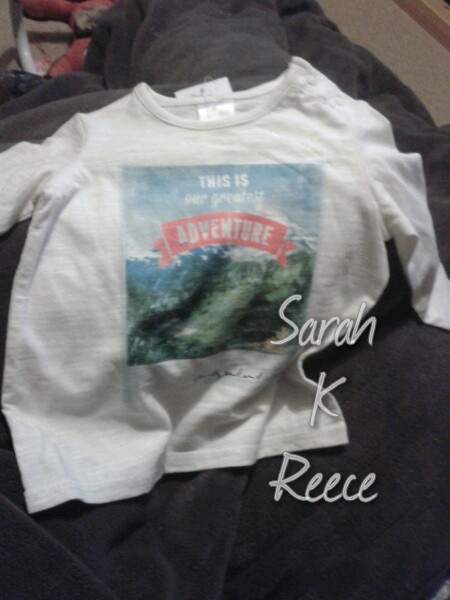
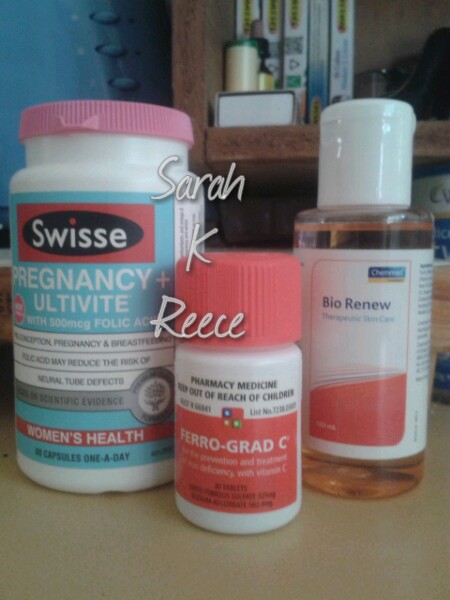
Rose has the best taste in baby clothes, she came home with this little gem the other day. It reads “this is our greatest adventure”. Couldn’t agree more. It’s beginning. I’m finally recovered enough from surgery to begin walking again. I’m tapering off my high dose contraceptive pill to a low dose one (quick changes in hormones send me into severe depression). And I’ve started on folic acid, iron, and skin care for stretch marks (dry skin, eczema, dermatitis, hives, hot weather, and pregnancy weight gain do not make for a happy person).

It’s scary, exciting, wonderful, confusing, sad, strange, moving, and uncomfortable. Definitely an adventure. We’re making our maps up as we go, having amazing experiences, getting lost, sometimes falling off cliffs. There’s no one I’d rather be off exploring with. 🙂

Our family van

image

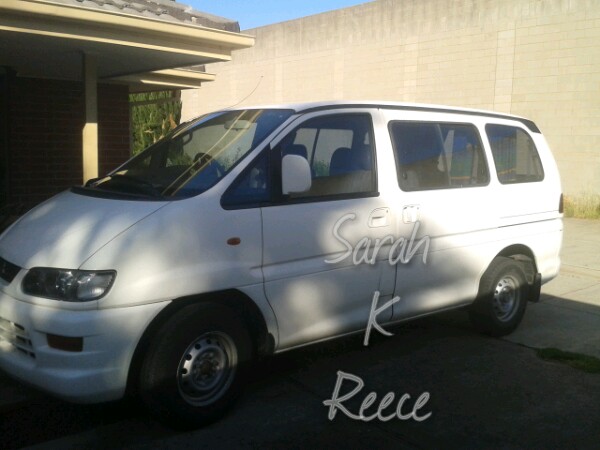
Rose and I have bought a van! Eep! It’s a Mitsubishi Starwagon, and we’ve called her Luna. 🙂 What’s so exciting about her is that she has a row of back seats that fold down to form a platform we can put a bed on to go camping! This is the best of both worlds for us, we can camp, and also put baby seats in the back. It has air conditioning and power steering which is perfect for me, it drives as light as a cloud and is easy for me to manage even when I’m tired and sore. We’re very excited about it!

We’ve had to borrow money to buy it, we’ve been able to save a lot this year but not enough for a swish vehicle like this. We’re waiting anxiously to hear whether Rose will have her contract renewed at work. If she does everything will go swimmingly. If she doesn’t but land one of the other jobs she’s been applying for, we’ll be okay. If she winds up unemployed for a stretch, we could be in trouble and may even have to sell it and buy something something cheaper or drop to one car between us. Fingers crossed! It was a big decision and we talked loads about it and crunched all our numbers and thought about everything else we could buy with our savings… And made the call that a second home on wheels would take some of the stress out of moving us both into my little unit. So we’re going to try!

One step closer to starting our family. 🙂 And we have two running cars again! I can go out during the week while Rose is at work and run errands! Life is so much easier. 🙂 As soon as we get the bed base braced we can go for a camp – I can’t wait!

I’m still very tired but slowly continuing to recover. The last few days have been kind of all weather in one day, lots of stress with loved ones going through really rough situations, intense conversations and so on, but also fun times, moving times, a walk on the beach, ice cream, and the end of season three of Buffy. I’m tired, grateful it’s bedtime, and looking forward to a new week.

Green light

I’m sitting outside my GP office and I can’t think straight. The last of my blood tests is back and I have a green light to start trying to conceive once I’m feeling better. I’m immune to everything I need to be immune to, not infected by anything I shouldn’t be, my liver is working at full capacity after the surgery. The only test left I could do is to see if my tubes are clear but given that it’s expensive and incurable and unlikely Rose and I have decided not to.

It’s been an interesting few months. I’ve received mixed news on the pre conception tests, mostly positive but some distressing. The process of trying to conceive could be very difficult, drawn out, and painful. Almost none of the meds I currently use are regarded as pregnancy safe so that’s going to be interesting as there’s no substitutes. And I can’t give birth to our baby in South Australia if we want Rose to have legal recognition as their parent. I don’t know quite how we’re going to manage this.

But we have a green light.

Oh my god.

Pain, & truth, & holding onto the stories that heal

I don’t much appreciate the hedgehog that’s living in my throat, and whoever sneaks in while I’m sleeping to stuff skewers in my ears and glue in my sinuses is not on my Christmas card list. Ah, post op, that unique combination of pain, boredom, and day TV. I’ve still got laryngitis which fortunately Rose thinks sounds sexy. I’m sure that helps with the regular top up of slushes!

Have an out of sequence blog post I wrote before going in to hospital. I’m not coherent enough to edit so I take little responsibility for the content.

I’ve had some lovely responses to my recent post Fear, grief, & chronic illness, telling me that other people too, don’t always find a positive approach helpful, that letting their pain speak limits its destructiveness, or that hearing my own vulnerability is in some helpful. I so needed to hear that.

I try to keep this blog as real as possible and sometimes that feels like an endless task of painting pictures of myself and the way I see the world, then pulling them down again to paint another one that’s more complex or shows something different… and I feel this suffocating pressure to only show the successes and the positive, or only share the pain after it’s been digested and finished with and turned into something palatable… it feels both incredibly vulnerable and somehow deeply urgent to defy these pressures, like fighting upwards through water to get to air where I can breathe again. But the water constantly rises and the struggle is often present for me. I don’t know if that’s a function of my culture, of the way social media works, or of the mental health culture… perhaps it’s a little of all three?

Certainly we fear pain because we’ve turned intense pain, even grief, into mental illness, which means you are not well and should do things to become more well. Intense pain is at times necessary, needed, appropriate. A rational and human response to life. Add to this the pressure of peer work where you are supposed to show that you are now ‘well’ and provide hope for others by successfully remaining well. Social media can be a fantastic vessel for connection, but it also comes with pressures and vulnerabilities. People sculpt their online image with the attention of a company to their brand. They live in fear of the enthusiastic judgements and criticisms of public life, and they try to show their best side and most successful parts of life. The reality of their self and life becomes increasingly divorced from their public image. Often they police other’s sharing also, shaming those who express hurt, confusion, loss, or other ‘private’ emotions and experiences. This is not to suggest that people who prefer not to share deeply personal things or distress on social media are wrong or deceptive, merely that people draw the lines between public identity and private self in different places, and that a competitive culture of presenting a successful public self can be difficult to navigate. The lines between authenticity, duplicity, intimacy, and privacy can be a challenge to determine. Ultimately, most of us want a sense of connection but fear of judgement and hope for respect and admiration can be big obstacles.

Back to navigating pain. It’s not a complicated concept – go down into the pain and hear what you need and do it, and it will ease. And yet I find myself over and over again losing this approach, forgetting that it works for me, and I never hear it from anyone else. When I’m struggling responses range from the positive thinking to the hang in there, and there’s nothing wrong with that – people share what works for them, or what they think may help. But I never hear – go deeper into the pain, stop avoiding it, downplaying it, ignoring it. It’s real, it counts, it needs attending to. Surrender to it, and it will pass through you and ease. Over and over again I stumble onto the discovery that by letting go from the cliff I’m hanging from, I don’t die, and the world doesn’t end. I fall into it and it hurts and I come through it. I still haven’t found any way of fixing this knowledge into my mind or life.

I think this one of the biggest challenges of having a belief that doesn’t have a lot of cultural support. Sometimes the process of undoing one belief and building a new one feels like I’m deprogramming from a cult while I’m living in the next town over. It’s really hard, and there’s plenty of triggers around that reset my old beliefs so I have to wrestle out of them all over again. I think anyone that’s come through any kind of abuse, particularly entrenched in the local culture (school, family, church, club) and minimized, struggles with this vulnerability. You are given stories to understand yourself and your world that do you harm, but that on a deep level you continue to believe and fear may be true, even when you’ve decided that other stories are more accurate. Contact with these old stories (being molested isn’t ‘really’ sexual abuse, kids only cut themselves for attention, you’re a drama queen, you’ll never amount to anything, all mothers adore and do right by their children) can either trigger a major response – kind of like an immune response, or sneak in under your guard without you noticing. In the major response, you encounter a foreign story and you are half infected by it and half fighting it off. The more vulnerable you are to infection, the more dramatically you fight, and the more internal struggle you experience! The other option is much more subtle, a slow insidious poisoning where the story seeps in and takes hold and becomes your own without you noticing or putting up any kind of fight. Weeks or months later you find you’ve taken on their perspectives “I’m useless and lazy and never try hard enough” or internalised their ideas “I’m only bulimic, if I was really dealing with an eating disorder I would be anorexic” and are starting to live from them as if you believe them.

It’s so hard! It’s made even harder if you have little support for your new stories, if you are in regular contact with people who believe and push the old stories onto you, and if they have any kind of power or authority over you. Other things that can make it harder to keep your own beliefs is if you don’t really believe your new ones (eg. trying to use over the top positive affirmations “Every day, in every way I am getting better and better” can be a much more vulnerable position because the new stories are so unrealistic and unsophisticated with no room for back steps or grace for human flaws or bad days, that every day life can constantly provide you with enough evidence that your stories are not true that you are forced either into constant internal conflict or severe denial to maintain them). Self loathing and self doubt, which obviously spring from particular stories about yourself can also make this process more difficult as they naturally undermine all your other beliefs and endeavours and make you prone to hearing bad things about yourself as true and good things about yourself as untrue. A lack of emotional skin, which can be about trauma but is also often related to social power – the less we have, the more important others opinions become for our survival, also increases our vulnerabilities to living according to other people’s stories, and often these stories suit the other people and not ourselves.

This is where I come back to authenticity, and to the idea of truth. Truth is often complex, and we like to boil it down. We try to sum up our childhood, our relationships, people we’ve known, as if we could weigh the good and bad on scales and come to a definitive number. The reality is that this process obliterates and obscures truth. Finding truth is not about boiling down but about opening up. It doesn’t sum up all the complexity in a neat conclusion, it lays each piece next to each other, side by side, not over lapping. A simple example: my childhood was terribly painful. I was devastatingly lonely, witnessed violence and abuse, was traumatised by death and loss, suffered chronic suicidal impulses from the age of 10, and struggled with nightmares, self hate, guilt, grief, sexuality, gender identity issues, bullying, undiagnosed multiplicity, severe dissociation, and major trauma. That’s one story. It’s all true, all verifiable. My childhood was also wonderful. I was given free reign to be incredibly creative and adventurous, taught skills and resilience, offered freedom to explore rivers, climb trees, sleep out on the roof, light and cook my own meals on fires, wear wild clothes, explore artistic pursuits. I saw deserts and mountains, swam in icy snowmelt rivers, watched a meteorite shower, built a hay bale cubbyhouse to sleep in, stayed up late to watch lightning, nursed an injured baby goose for months in the pocket of an apron, ride motorbikes and go karts and beach buggies, go rock climbing and abseiling outback, bucketed hot water into a bathtub once used for stock feed in a paddock, and had a hot bath outdoors in the rain with my sister. This is also all true. People often try to ‘sum it out’ as if the good might outweigh the bad or vice versa. I’ve found that when one story obscures the other, I lose some important truth. It’s not or, it’s and. My childhood was wonderful and painful. It’s headbending, but its a key skill to be able to tolerate the tension of more complex stories like this, because single-note stories, black and white stories, often distort and conceal some truth that we need. There’s freedom in the contradictions.

Hanging onto them, even when they’re as accurate as we can craft them, as undelusional, as informed, as balanced as we can manage, can still be tough. This is where good therapy can build you up and be another voice of support (“I know your father says that you’re weak for being raped, but I also know that’s not what you believe and not how you feel about other people who’ve been raped”), or conversely where bad therapy can take your head apart (“You are manipulative and faking your issues for attention”). I also use a number of other sources of inspiration. My favourite artists adorn my walls, I reread my favourite books every year and own the movies that inspire me and inform the stories I choose to tell about myself and my life. For me, it’s about poetry, about heroes like Cyrano de Bergerac, Bradbury, Amanda Palmer, about the love of children, about all the things we use to anchor us in our beliefs and weather the tides that pull us off course and plant traps in our minds.

Snuggles

Today Rose and I had the pleasure of heading out for a day with her three nieces. Rose has been incredibly blessed to have so many gorgeous kids in her life, although of course this had also been painfully bittersweet at times of her own pregnancy losses. I’ve lost or walked away from almost all of my social networks and found myself in a painful vacuum where kids exist only as a kind of abstract ideal, a hole in me that aches and make me cry in the baby aisle at supermarkets. Now I have an absolutely beautiful goddaughter, Sophie, whom I adore and who is about to turn 2, and I’m also getting to know some of the wonderful kids in Rose’s life. It’s a huge privilege. The kids reactions range from dismay at sharing their Rose with me to delight at a new interested adult. The face painting is of course a pretty decent bonus.

Today I have yet another sinus infection and bout of tonsillitis, but dosed up with meds and we all went out on a trip to a petting farm called Hahndorf Farm Barn. It was a great day, the baby chickens were a particular favourite and I think between us we cuddled every one there at least once. The kids also patted a snake, milked a cow, snuggled rabbits, fed kangaroos, and got a little spooked by the emus. At the end of it all we wiped out and I got cuddles on the couch at home from miss three. There’s really no greater vote of confidence in your hopes for parenthood than trust and affection from a child who has plenty of other loving adults to hang out with. 🙂

Now I’m off to bed and hoping to sleep this damn thing off.
image
image

image

image

Absurdity is a gift

It’s been an exhausting week. Far too much bad news, challenging situations, and friends and loved ones under massive stress. Today, Rose and I were both fragile and depressed, with little left for each other. I collected her from work after a day of discouraging medical appointments and dull errands, and we drove home both in tears, at the end of our tether. We had friends visiting for dinner, so before they arrived we took a moment to touch base. Either we were going to reconnect and pull off a wonderful evening, or snap at each other and deepen the strain. We were able to sit with the triggers and hear each other and found as the tension lifted that our natural crazy sense of humour returned. We spent a wonderful evening playing board games, making jokes, and pulling silly faces at each other. In bed that evening we mused- we’d somewhat lost our humour lately. We had times of deep & meaningful conversation, or companionable connection, or heavy duty trauma territory, but it felt like it had been ages since we’d made each other laugh. What a gift it is, this simple thing. What a miracle that the world that weighs so heavy can be lifted by a laugh. Suddenly the road doesn’t seem so long or the night so dark. It’s the most simple and joyful form of mindfulness I know. It’s not about the destination, it’s all about the journey. There’s no better answer I’ve found to the scream trapped in the throat and the waiting for better years.

When have you last laughed? When have you last felt yourself step sideways out of crushing anguish and found the pain can make the humour sharp and black and driven and surreal but no less funny and no less freeing? I hope you disturb sleeping people and burst stitches and cry from the corners of your eyes and get a stitch in your side and blow chocolate milk out of your nose and gasp for air. I hope the absurdity of life helps you put down big rocks of pain and grief and play for a little while and pretend to be someone who isn’t dying inside, isn’t frozen by terror or crushed by pain or tortured by memory. And if you don’t have someone to play with, don’t forget that phones can record your silly faces and funny voices and baffling walks. Sometimes laughing is the bravest thing we do.

Families, abuse, & hope

Political systems have always been a facsimile of the predominant family dynamics

Parenting for a Peaceful World, Robin Grille

I’m about halfway through this incredibly challenging book. The most difficult and interesting part has been reading through a brief history of different approaches to children and child raising. The brutality and disconnection is truly horrifying. At one point Grille notes that the hysterical dissociation cases so common in the Victorian era are far less frequent now, probably due to very different child raising practices. Yet, I work with many people who’s childhood experiences were neglectful and abusive in probably very similar ways. Each family is like a tiny culture of its own, a mini country with its own customs and political structure. It’s interesting to also consider the reverse – looking at complex politics through the lens of a family. The same questions that can be useful to consider on the small scale are also relevant on the large – who exercises what kinds of power, and how? What is the cost of being the least powerful, or out of favour? How safe are the most vulnerable members?

Rose and I are talking a lot about families at the moment, as we plan our own. I find it interesting that our broader culture structure is capitalist, while our private family structure is closer to socialist, with much unpaid labour and sharing of resources. There’s a tension as we move between these frameworks in public and private spheres of our lives. So we have significant labour such as child raising, or caring for family who are sick, disabled, or frail aged, going largely unrecognised as they have neither job title nor a decent wage attached to them. Family power structures can be fascinatingly complex and subtle. Those who are obviously in power are sometimes only figureheads. Oppressed and brutalised family members are often the most brutal themselves in their enforcement of family traditions and rules. Families create their own mindsets, a framework through which members learn to view themselves and the world around them. When this framework is destructive, “You’re an idiot and you’ll never amount to anything”, “The world is dangerous and will eat you alive”, it takes massive effort to mentally and emotionally challenge these beliefs, break free of their hold, and construct new frameworks. Children basically grow up inside the ways their parents view the world. Many adult children of destructive families find that while they are trying to find their power to built and maintain their own beliefs, they are highly vulnerable to having their frameworks ‘switch’ to those of the family culture whenever they are anxious or in contact with them. Some families navigate such challenges with growth and new connection, others have harsh, rejecting, or even violent responses to what is essentially a war of ideologies. It can be a big challenge to maintain an individual perspective that does not mesh with the family perspective.

A task I once found incredibly helpful was to sit down and nut out the ‘rules’ of my family of origin – not the spoken ones, but the actual way we functioned. Sometimes these align, sometimes they don’t. This isn’t always a bad thing – in the case of a family with avowed ideals of patriarchy or harsh punishments, the reality may be modified and softened by genuine affection and care. No family gets it all right, and many have a combination of generous and altruistic practices mixed in with selfish and cruel ones. Those who have been raised with harsh practices may enjoy ‘their turn’ at exercising power rather than dismantling the abusive structure. But the process of deliberately choosing to observe the dynamics, to note the rules and the roles was extremely helpful for me. For example, many families have a role – the ‘lightning rod’. Whoever is in this role is available to be put down, made the butt of jokes, talked over, doesn’t get to make choices, gets less access to family resources, has to do the worst jobs or so on. This person is targeted as the source of family stress and they are available for the most powerful (not necessarily physically, but politically) family member to work out their frustration on. In some families the lightening rod is always the same person, in others it’s a shifting role as people go in and out of favour. In some families, being able to discharge tension in this way is the sole prerogative of the most powerful member, in others everyone must show their loyalty by treating the out of favour person badly. Sometimes there are factions and more than one lightening rod, with vulnerable members trying to maintain neutrality across all the teams and not find themselves in the least favoured role.

It can be useful to ask questions such as “Who gets their needs met?”, “Who has the most powerful vote?”, “Who’s plans get disrupted when something goes wrong?”, “Who does the most jobs they don’t like?”, “How safe is the least favoured family member?”. And then comes the most interesting part – how would you like your family to function? What rules did you wish your family really worked by? Many of us with challenging upbringings want to do better and can eloquently name the things we hated that hurt us badly – shaming, beatings, emotional detachment, poverty, and so on. Figuring out what we don’t want to repeat can often be much easier than figuring out what we’re going to do instead. For me, one of the things I really wanted my family to be was a nurturing place, somewhere it was safe to come home to when you were sick, hurting, anxious, or had failed at something. I want it to be normal for family members to be kind to each other, to help each other out, and to listen to each other. I sat down and nutted out a bunch of other values and ideas that are also really important to me. I found that they were pretty similar between family and friends too.

The next thing I found helpful was to start acting as if these values and ideas were normal in my family. Instead of instinctively obeying unwritten rules, I chose over and over again to operate from my own values. In my case, I had to do this with my eyes wide open because sometimes the results of breaking these rules were violent. People are often very invested in ‘the way things are’, even if they are suffering under it. Sometimes there’s a lack of hope, sometimes people are trapped by beliefs such as ‘If I was just a better person, everything would work out’. It can take time and coaxing for people to see that there is freedom and kindness possible in change. For those the current dynamics suit – those who are getting most of their needs met, or are comfortably placed within the power structure, or are so entangled with their own demons that they need a painful and chaotic environment around them – the protests can be intense. In some cases, change can expose people to life threatening consequences. This is one, of many complex reasons, that abused partners stay in relationships where they are suffering terribly.

Obeying abusive family dynamics will almost always require a person to violate their own morals and beliefs in some way. It might force someone to be a bystander when they find that intervening makes the situation worse. It might be that blaming and hurting the most vulnerable family member was the only way to be safe. There are often complex trade-offs where children may submit to abuse in the hopes of protecting their siblings, wives to rape in the hopes of protecting children, men to beatings in the hopes of protecting the women and so on. A complex network of attempts at self protection and protection of other family members often results in deep shame and a sense of failure. People in this position are embedded in the family dynamics and take on a sense of responsibility for them. With shame and guilt eroding their confidence in themselves, deep beliefs in their own worthlessness and incompetence, and a powerful and justified fear of the consequences of breaking the rules, it takes extraordinary means for people to start building new frameworks and escaping old dynamics. In some cases people will be harassed or rejected, in others they will be beaten, raped, or killed. In many situations I’ve observed, those who protest these changes do not even understand their rage, there is simply for them a sense that they are less safe, and they use whatever power they have to make themselves feel safer.

None of us is immune to this dynamic, and any of us who exercise any kind of power must consider this if we wish to handle it ethically. Even good intentions can take us down bad roads when we run solely on instinct and the desire to be safe.

The good news is that even the tiniest of gestures to break away from abusive dynamics start to generate a sense of identity and personal power. Within even profoundly abused people, a will to survive and to maintain identity is extremely strong. The entire ‘child abuse survivor’ movement is testament to that – as are the statistics on people – including children – who flee abusive families. While most will return more than once, within the deep conflicts of fear, hope, despair, and bonding, a desire for freedom remains intact. It may not be the most powerful voice, but it is still present. In violent families this change might be done entirely in secret – public obedience, but private kindness. It might be sneaking food to the child denied yet another meal, it might be covering for someone so they don’t get punished. Even secret collusions erode abusive power. They create a sense of personal agency that obedience to the rules takes away, and with that agency comes an awareness that you can and do disagree with what is happening. Environments that strip us of power and choice also reduce our possible responses to two options – we can comply, or we can rebel. In situations where the cost of rebellion is unmanageably high, most people will comply. In situations where the price of compliance is almost or is as severe as the price of rebelling – most people will rebel. Many of us actually alternate between the states, often instinctively trying to find a mid-line where we get the benefits of compliance such as approval, access to resources, protection from violence, some affection, and the benefits of rebelling such as freedom, the opportunity to connect with people outside this dynamic, and a sense of personal power and identity. Like abusers who do not understand their rage when change threatens, most of us engage both submission and rebellion instinctively and are confused and frustrated by our own drives for both.

Being able to truly disconnect from abusive dynamics is about being able to make room for a response outside of the submit/rebel dynamic. Some families (and other institutions for that matter – psychiatric hospitals spring to mind) make this extraordinarily difficult because every action of the members is conceived in a black and white framework of loyalty/disloyalty. They are for us or against us, they are one of us or not one of us, they are a good kid or a bad kid. For me, it helped to be aware of this framing of my choices, and not to mind them. While I engaged conversation about them, I did not initiate them, and I did not expect to persuade anyone. I simply identified what I wanted and acted from that. I wanted a family that was fair, so I resolved to treat members fairly, irrespective of whatever else was going on. This meant my actions were constantly misconstrued, because of course everything I did was interpreted through the framework the family was using. If I gave a gift to a powerful family member it would be assumed I was being compliant and currying favour, if I gave the same value gift to a disgraced member that was likewise a political act. This constant misunderstanding is often exhausting and debilitating to those who are trying to change the way they engage, and if their goal is to persuade people to a new framework, they can become deeply discouraged and give up, or increasingly defensive and get into massive rows. In situations where the stakes are high it’s important to be aware of the politics without subscribing to them. If an act could put you at risk of violence, homelessness, loss of job, custody, or other catastrophes, acting without thought for consequence is foolish. This process of being aware of possible or probable consequences can be immediate in some cases – “Father has always said if any of us drop out of school we’ll be kicked out of home” – in others it’s a slow process of observing the ways the stated rules “In this family we all love each other” and the actual rules “We don’t talk about your brother since he outed himself”, differ. Processing the reality when we’ve been fed a lot of lies and spin can be extremely challenging and confronting, and people are good at obeying unwritten rules while paying strong lip service to the written ones.

However, the freedom to choose your own response is powerful. Instead of merely reacting to what is present, you actually bring into being a new framework of your own, and live from that as best you can. This might cause minor friction or it might involve running to shelters and setting up new homes in new cities. Some of us pay much higher prices than others. Even with the best of intentions, you will at times fail to live up to your own values and standards. But the more you have set them for yourself instead of having them imposed upon you, the more congruent your beliefs and actions become, and the less internal struggling and weakening of identity occurs. It’s a powerful, gradual process, where the first tiny act can be nightmarishly difficult, but each subsequent one a little easier. Instead of being a pawn for the use of the more powerful, you become a player in your own right, exercising freedom of choice over your own actions and accepting the prices if you think they are worth paying. This may be profoundly unfair, involve intense grief and loss, and it can be extraordinarily difficult to maintain a minority perspective in the face of massive opposition or total indifference, but it can be done, and the gains are massive. Being able to have complex, deep, authentic relationships instead of living under the yoke of roles is an amazing experience. Claiming freedom to create a life that is personally meaningful is profound.

Learning to see the giants of our childhood as people who themselves live with the ghosts and shadows of childhood, is a perspective we can only reach when we have somewhere safe in our heads to stand. It can help move us away from attraction/repulsion, submission/rebellion, and into a place where we can see the people behind the roles. This is a much safer place from which we can feel the compassion for vulnerability and loss that may previously have trapped us or exposed us to harm, or likewise the judgement of narcissism or brutality. We can be freed from the black and white thinking where we can perceive only with compassion or only with judgement, which means our actions are more informed by the whole complexity that makes up a family, and less the instincts of ourselves as a stressed child. It can be the start of breaking away and getting out, or the start of reconnecting and making something real – or sometimes both at the same time.

Spring has sprung

If nightmares in any way predict reality, I’d like to suggest steering clear of four-wheeler motorbikes, underground earth caverns, and singing ghouls that turn up during storms and if you hear their song it kills you and turns your soul into part of their undead cohort.

In other news, Spring has sprung. My plum tree has dropped its blossoms, my poppies are blooming, the roses have come out in leaves, and the nights are warm enough to change the sheets back to cotton. Transformations are taking place! Yesterday Rose and I packed down the studio and brought it home. A sad, failed venture. Business, like life, is full of so many of these. Rose and I did a lot of talking about the structure of our households and family. I culled half a wheelie bin of worn out clothes, made room for the studio things, and re-organised drawers of clothes and art supplies. I’m eyeing my bookshelves next for a cull. If I’m going to fit Rose, and her preposterously large furniture, into this unit, I’m going to have to make a lot of space. I’ve lived in a caravan and the upgrade to the size of a unit was huge for me. Rose has come from house-sharing massive places with two lounge-rooms, a shed to store things in, and entire rooms set aside for formal dining areas or kids play spaces. o.O Merging households is going to be challenging, to say the least. We’re moving very slowly and doing lots of groundwork.

There’s a shift in me that’s making this process easier. I’m filtering everything through the eyes of a parent. Some things I needed as a single, childless person are not important anymore. Other things are very important, such as having an art studio, but something has to give so I’m having to be creative about the use of space and resources. The psychological and physical preparations are also progressing. I have one more big fertility test to undergo, and I’m waiting on the results of another one I’ve had recently. So far there’s mostly highly positive results, with some questions about a possible condition that’s been missed. That’ll be ruled in or out shortly and I’ll know where to go from here. I’m still waiting to be rescheduled for my sinus surgery and there’s been no news. I chased up the cost to have it done privately, but it’s $7,500. There’s no guarantees when the public system will catch up with the backlog. Rose and I keep brainstorming ways of raising the money to do it privately – there’s no way I can try to get pregnant until I’ve had the surgery, but at the moment it looks like we’re stuck waiting. In the meantime we’re adding to our stocks of baby clothes and supplies. On our recent holiday we collected this little gem – a baby hammock. I used a makeshift one of these with much success when I was caring for a disabled gosling. Crazy as it sounds, the needs of human and goose infants are not that dissimilar. We’re going to have a couple of ceiling hooks put in at strategic places in the unit so we don’t need to set up the stand.

2014-09-06 14.07.04

It’s Spring. It’s a good time for cleaning and clearing out and nesting. 🙂

Hills & valleys

It’s been a wild few days here. Rose and I ran away to Remark for the weekend to celebrate our two year anniversary. We had an awesome time, sleeping in a van, cooking on a BBQ by the river, swimming and reading and talking about the future and investigating second hand shops and eating something approaching our own body weight in delicious dried apricots. I don’t know why we find it so hard to get away at times, once we’re out there everything is awesome and we have a fantastic time. Everything is tinged with the rosy glow of hoping that we’ll come back sometime soon with our kid/s.

Home again was brutal, Rose has gastro. We did a long trek back across the state for a funeral, punctuated by emotional breakdowns and major stress. Last night was vomiting and broken sleep, today was major dizzy spells and exhaustion. I’m not feeling awesome, but I’m definitely the brighter member of this relationship at the moment, so I’m doing the driving.

Business building is still going well. Today I laminated an updated flip book of the services I offer, especially to have on my table during big public events. It’s looking really good. It all links up to my website, one page in the flip book is one page on my business website (in a very condensed form for the book, obviously). I think it looks excellent. I need to add a few more pages but it’s looking really professional and with the lamination it should survive all the handling my stuff gets with kids around at face painting gigs. Making progress, making progress…

With any luck the next few days hold some decent sleep and regaining equilibrium for us both.

What is Pre-Conception Care?

It’s come to my attention that I’ve been throwing this term around without explaining it! Oops. Simply put, it’s the preparation you do before trying to have a baby. It can take many forms, depending on your situation, gender, family type, & and if you or a partner will be carrying the child or if you’re approaching parenthood via surrogacy, adoption, or another means. Some folks have surprise pregnancies and shuffle the pre-conception care side of things into the pregnancy or early years. Some folks find conception very challenging and the pre conception stage can go from exciting to agonising. Everyone puts their own emphasis on the areas that are important to them, and completely skip other areas they don’t feel are necessary, or don’t think about, or are too overwhelmed by. Here’s some rough areas people may work on during pre-conception care:

Physical Health

Your health impacts everything – your chances of conception, rates of miscarriage, how tough you might find labour to be (birth mums and everyone else in the room!), attachment to the baby, managing sleep deprivation with a wailing person in the house, and keeping up with small terrors who have something like 10 times your energy levels. 🙂 Rose and I have been working a lot on health, particularly as we both have diagnosed fertility issues so the scales are already tipped against us. In our case, we’re working on improving our diet to be primarily home cooked, with a focus on fresh fruit and veg and good intake of red meat. We’re spending more than we used to on food to make sure there’s healthy snacks and things to take for lunches, we’ve moved to low fat dairy products and we’re trying to avoid transfats. We’re doing this very carefully as there’s a lot of vulnerability around food and body image. There’s no point at all in losing weight at the cost of physical and emotional health.

I’m doing a lot of work around exercise, and I’ve taken up walking as regularly as I can manage. The key is being gentle, building up gradually, not pushing myself to walk when I’m just not well enough, and for me – tracking my progress because that makes me feel awesome. 😉 On my good days I’m building capacity. My longest walk so far is 3.6km. I’ve walked a total of 41.7km over the last 8 weeks. Whoo!

Health is also about things like – reducing or eliminating risky habits such as smoking. Finding alternative meds for those you need but that aren’t safe to use in pregnancy. Getting fertility issues properly assessed and if needed, treated. Getting on top of chronic issues as best you can. I’m still waiting for my sinus op, and I won’t be trying to get pregnant until it’s happened, because there’s no way I want to risk bad liver reactions to anaesthetics and pain relief when I have a baby on board.

In my case, this is also about looking at pregnancy and parenting through the lens of disability. One example is that my fibro leaves me vulnerable to higher levels of pain and fatigue in doing certain things. (this is different for everyone with fibro, and good days vs bad days are also different) In my case I recover much more quickly from an hour of gentle walking than an hour bending and digging and weeding in my garden. Something I’ve noticed from looking after my gorgeous goddaughter is that the lift/bend/twist action of putting a child into a child seat in the back of a car is hard on me. 2 door cars are way worse than 4 door, and seats by the edge are harder than seats in the middle (where I can rest on a knee on the seat). So with this in mind, Rose and I are working on fixing up and selling my car so we can buy a 4 door. This consideration is also guiding our choices around housing, bedding, choice of a nursing chair, and so on.

Mental Health

All the risks that poor physical health can increase also apply to your mental health. Some people have to figure out the risk/benefit ratios of psych meds that increase miscarriage rates. Sometimes they can swap to a less harmful med, sometimes they can taper their dose, sometimes they can get off the med entirely, sometimes they stay on it and deal with the consequences. I’m personally not only any psych meds so I don’t have anything to worry about here.

Do you have good supports and resources if someone struggles with post partum depression or other challenges? Are you able to recognise problems developing early and communicate about them? Is anyone likely to be struggling with complex responses to a pregnancy or baby – such as, people who have previously suffered pregnancy loss, are currently grieving a dead or terminal friend or person, were abused as a child and are likely to find some trauma things resurfacing, have existing relationships with abusive people, or are facing other major life challenges in the domains of health, housing, employment, poverty and so on? Giving some thought and preparation time to this can be the difference between a challenge met well and a quietly unfolding crisis, kept secret through shame.

In my case personally, there’s been a lot of hard work to build the kind of life stability I want and need. Housing is secure, income is low but safe, I’m building a business, my disability is well managed, my relationship is solid, and my mental health is in a good place for the massive amount of dedication and devotion needed to care for a child. This isn’t a guarantee that things won’t change! We’re all vulnerable to bad luck and difficult circumstances, none of us are beyond the reach of tragedy. But I’ve done what I can to set myself up.

Household

Babies have profoundly different needs from adults! Some won’t become apparent for awhile while others are really important to have ready before they arrive – like making sure your pets are child safe. Transport, location, house layout, safety, and extra resources can all also be given some thought to early. Rose and I have a pretty awesome collection of baby clothes, baby wearing wraps and carriers, we’re travelling out country shortly to buy a baby hammock, and we’re starting to keep an eye on key furniture in second hand shops and over eBay.

Structure

Every family is different! Time to talk about how you want to do things can help you to think more creatively and not just do what ‘everyone else’ does whether it suits you or not. How are you going to divide household tasks? Keep income happening? Do you have good routines for maintaining a home? Do you have any experience with children or babies? Do you communicate well? Are you going to involve anyone else? eg extended family members or friends who will live with you or nearby or offer support on an emergency or regular basis. Do you have enough skills to keep things running if something goes wrong? Can you adapt when things don’t go to plan? Can you support each other through grief? Are there good support people around you that you’re both comfortable with? You’re a team! Who’s on your team? How does this team work? What’s important to you, what don’t you care about, what skills do you need to develop more?

Family

If you don’t already think of yourselves as a family, planning for a child shifts all that. In our case, Rose and I are making a lifelong commitment to each other as co-parents, whatever might happen within our romantic relationship. We are building a family in which our devotion to this/these children is the foundation, our commitment to set up a safe, fun, loving little culture, to the best of our abilities. Our family is not just an extension of our romance, it’s separate from it. That doesn’t mean we don’t expect to stay together or that we don’t think having love and affection are important – we’ve been inspired by families where parents have changed their relationship dramatically but maintained their parent role with devotion, such as parents who split up but stayed living in the same house with the kids, and down the track each had their own other partners who visited but the family home remained intact. Others who bought a unit and the parent who wasn’t working with the kids that day would move to the unit, instead of the kids moving between houses. There are many aspects to my relationship with Rose, we’re friends, lovers, sometimes carers for each other, and soon, hopefully, co-parents. Each of these domains can shift and change with life, without destroying that last one.

Setting up a new family can benefit from some reflection at every step of the process. Each family has its own culture – values, rituals, norms. Preconception care can be about starting to define your own family culture. This can be about discussing family of origin and childhood experiences… what were the best parts? The worst? What do you want to replicate? What are you scared of replicating? Part of this process can also be your current relationships with friends and family. For troubled families, you need as much time as possible to start working on healthier dynamics. If there are big problems around abuse, distance, or power issues, it’s often more effective to start early and make gentle changes than suddenly try and change how you respond once a baby is here. If you want to build some more closeness with someone important to you, start now before you’re tired and need all your attention for a baby. If you need to set up some better boundaries and practice some communication and conflict resolution skills, ditto.

You all need to talk about safety and make sure children are never going to be left unattended with anyone either of you know is likely to harm them. That might sound obvious, but in complex families it can start WW3 to privately decide that you’re not going to leave a baby unattended with grandma because you have some bad memories about her when you were young that you’ve never shared with anyone else. For some families, the idea that you have the right to restrict power over or access to yourself or your children is a new and explosive idea. Of course, especially when there have been issues in the past this can also work the other way, and people can be terribly distressed when an over protective new parent cuts out loving people they suddenly see as a threat. It helps to start having these conversations early and often, and being very honest with your partner or co-parent in them. A baby can change everything, and things you have been tolerating or ignoring for years can suddenly become important to manage when you realise they will impact a tiny person who has no say about any of it. Safety is one of the most basic rights a baby should be able to expect.

In our case, another aspect of this is navigating a relationship with a known donor, making sure that we have sound legal advice, that we are open about our hopes and circumstances with them, that neither we nor the donor are in a vulnerable place where someone can be exploited, and that there’s a clear understanding of how this new family will be set up. 🙂 Whoot!

So there you have it. Pre-conception care can be as broad or narrow as you need it to be. As a general rule, those of us with fertility issues or in same-sex relationships put more time into this, and that can be a wonderful thing. It can also shift your whole life into a state of perpetual readiness that can turn into agony if a child takes a long time to come or never comes at all. For some of us, facing grief, loss, heartsick longing, and insensitive people can be a critical and deeply challenging part of pre-conception care. But nothing is wasted. All efforts to build healthy families are valuable, and it is not children who make a family but love. Any people who love each other are family. If you’re on this path, best wishes! And wish us luck, we’re exited and hopeful and anxious and positively quivering with anticipation. 🙂

Looking for a donor

Not since I once sat in a church, covered in rat piss and hoping desperately to fit in with my new lesbian friends, have I felt so damn awkward. Searching for a donor is an astonishingly strange process. It involves using the word ‘sperm’ in conversation more frequently than I have in the entire rest of my life. It’s nerve wracking and vulnerable and exciting and sad and weirdly similar to dating, if dating involved no sex and unusually frequent references to sperm.

Let me take you through the process so far. Rose and I need a donor as neither of us produce sperm. Plenty of couples find themselves in this boat for many reasons. Our first idea was to cross the genetic lines of our families – as we are both keen to carry a child, to ask for support from male relatives on both sides. Sadly that hasn’t worked out for us. Our second idea is to find a known donor that we are already friends with, or whom we become friends with, to help us have a child – maybe more than one with the same guy if that works out. Anonymous donation doesn’t appeal to us. There’s upsides, for sure! A total lack of drama for one. Less anxiety about relationships fragmenting. But Rose has never known her father. We know what it feels like to have a big empty space in your biological history. We don’t want that for for our kids. We’d love someone who we can point to and say ‘that’s the guy’. This is your donor. He’s not your parent, he’s not responsible for you, he doesn’t pay your medical bills or sit up with you when an assignment is due the next morning, but he’s a family friend. You can ask him questions. You can figure out how you want to relate to each other over the years. We’re not scared of him or threatened by him and we don’t want to hide him or pretend he didn’t exist. He’s part of the story of how you came into the world. There’s no shame in that. In fact, he’s a pretty awesome guy. We chose him, just like we chose to have you.

Being a known donor is a big ask. It’s a weird role. The closest parallel I’ve been able to come up with is that of an uncle. You’re involved in the child’s life to some extent, there’s a recognised relationship that may be closer or distant. There’s a biological tie. There’s no legal or social responsibility or rights. A fight with the parents could see you on the out. You’re kind of invested but also in a vulnerable position. If things go wildly wrong you may one day be asked to see if you’re a match for bone marrow for a kid that’s not yours. For many guys this role is a really poor fit. They want to become a donor anonymously and stay distant, or they really want to be a father, not a donor, and they’ll be intrusive and suffer greatly if their access to the child or their desire to relate as a parent is limited in any way. It’s a pretty unique kind of situation and it doesn’t fit everyone.

So Rose and I have been casting our net wider, so to speak. We’ve put up profiles on local dating websites, and we’re sharing our search with friends and contacts. We’re moving slowly and seeking to have a good foundation of friendship in place before we start trying to conceive. Talking with strangers on the net about donors has been… Illuminating, entertaining, bizarre, funny, and creepy. We’ve met some really lovely guys. We’ve deleted a lot of wildly unsuitable ones. We’ve explained that sex is not involved in being a donor, a LOT.

As I said, it’s oddly similar to dating. You get neurotic easily (am I talking too much? Too little? Am I mentioning the donor thing too often? Not often enough?). You get excited quickly and dream a whole future that dies a deeply disappointing death when things derail. You’re flooring the accelerator with excitement and hitting the brakes with anxiety at the same time. You’re keen for no one person to feel under pressure, so you’re still talking to other new possible guys, but that also feels weirdly like cheating or snubbing the ones you do like who have expressed interest in being involved. Communication is a challenge. Them reading this blog and having to process a whole bunch of stuff about someone fairly out of the norm is a challenge. Them worrying about being exposed when interacting with someone who lives a very public life is a challenge. The whole process is rather strange and fragile.

So, this is our online profile:

About Me

Female 31 Australia

We are 2 awesome ladies who have been together for nearly 2 years and are looking for someone fantastic to help us to have kids. We’re 29/31 and looking at starting within the next couple of years. We work in Youth Work/Alternative Education, Mental Health, and do face painting work on the weekends at kids parties. We’re smart, creative, silly, and a bit nerdy. Love reading, cooking, camping, card nights, and hanging out with our mates.

Seeking Criteria

  • Members anywhere in South Australia.
  • Friendship with a man or a woman.
  • Between 25 and 40 years of age.
  • Members who speak English.

What I’m Looking For

Someone awesome to be a sperm donor and help us start our family. We don’t mind what nationality, sexuality, or gender identity you are but you do need to be between 25 and 40. Single or part of a couple is welcome. What’s important to us is that you don’t carry any known major genetic illnesses, that you’re happy to be tested so we all know that everything is safe, and that you’re a great person with similar values to us and excellent communication skills. We’d love to have a long friendship with our donor, and to have our kids know you and know their genetic history, so our first preference is to go down the DIY road rather than anonymous donation.We are also open to talking about supporting you to have children if you are gay or your partner is unable to bear children. We’re not in a rush, we’d love to meet up, get to know each other, talk things through, and make sure everyone is comfortable and on the same page.

Also happy just to make some new friends. 🙂

The process of donation involves coordinating with each other to pass along a sperm sample during the most fertile time of the month. Happy to talk about that in more detail. 🙂 Sex is not involved!

It can be a little awkward to start conversations about being a donor dad, so we’ll leave the first move to you. It just feels a little odd to say to a stranger – hey you seem nice, can we have your sperm? Feel free to strike up a conversation if you’d like to chat! 🙂

I’ve also taken to having the following spiel saved in a word document so I can copy and paste, seeing as it comes up in every conversation. It’s the basic run down of the process for when you’re using artificial insemination (AI) at home.

The first step is making friends. Donating can be a bit of a process and it’s best if everyone gets along and feels comfortable with each other.

The next step is getting tested. Sperm samples can contain STI’s such as HIV, so it’s super important to know no one will get sick.

So once everyone has the all clear, some paperwork is signed to say that this is a donor relationship, and no sex is happening. That protects the guy from being sought after for child support, and allows us to try and get both of us legally recognised as parents on the birth certificate.

The process of donating is quite simple. A couple of times a month the donor and we arrange a time that suits everyone on the days we know the biological mum is most fertile. The donor puts a sperm sample into a sterile cup that we provide. Then within one hour we arrange a handover – he drops it off or we pick it up.

Sperm dies really fast outside of the body, so that bit can be tricky to arrange, especially if the donor and us don’t live close.

But basically that’s it. This goes on every month until a pregnancy occurs, then if we’re lucky, all goes well and a baby is born. 

Please be aware if you’re thinking of going down this road yourself that there’s some important considerations to keep in mind! Firstly, someone can have HIV but not show up as HIV positive in testing for a couple of months. So a clear STI test doesn’t always mean you are safe. When you’re using donor sperm and a clinic, the usual practice is for the clinic to freeze the donor sperm for 3 months or longer, with an HIV test for the donor at the start and end of that time. If both are clean, then the sperm is considered safe to use. Obviously you can’t do this at home, so you need good, honest conversations with a donor you trust about their risk of contracting HIV. Despite popular belief, the health of the donor is also very relevant to the chance of conception and a healthy pregnancy. It’s probably far more important to look at factors such as current drug use rather than education level or eye colour when you’re choosing a donor.

Another important thing to consider is the laws where you live about donors and parental rights. Everywhere is different. Don’t assume that just because you’ve used AI instead of had sex that you’re all safe and legally protected. Not all the laws recognise donors outside of a clinic, and not all the laws recognise that a same sex couple can both be parents. There are occasional horror stories about donors being pursued by the state to pay child support, or a non-biological partner being denied access to their own children following the death of the biological parent, or breakdown of their relationship. Do your homework! You may need to lodge forms, sign stat decs, and jump through various bureaucratic hoops to make sure your relationships are all legally recognised the ways you’re setting them up. If you are trying to set up a poly relationship or clan with more than two parents being recognised legally, you need advice from a specialist lawyer because this is extraordinarily difficult to pull off within current legal frameworks. It’s also important to mention that, all jokes aside, please don’t use regular household items such as your kitchen baster for DIY insemination. You can buy single use, sterile medical supplies online discretely through sites like DIY Baby. The last thing anyone needs is infection at early stages of pregnancy.

Another consideration is that around half of all fertilized eggs are lost to very early miscarriage. Women who conceive through sex are often not aware they were even pregnant because it happens so early in the process. But for those us using donors, we’re watching the whole process and often confirming pregnancy very early. So while our chances of miscarriage may not be any higher than anyone else’s, we can be aware of early losses other people aren’t and this can be very painful. It’s worth keeping this in mind and remembering that sadly, losses are to be expected as part of the process. (just as a side note, this is not what has happened with Rose, all her losses have been later, hence our care to go through fertility testing and work on pre-conception care to reduce our risks) There are things you and a donor can do (such as not smoking) to reduce your risks of miscarriage, but the base-line stats even for healthy people with low risk factors are still a lot higher than most people realise, and this can be a shock, both for you and your donor.

Lastly, even with the best of care in tracking your fertile window each month, it can take a while before conception and pregnancy result. When you’re inexperienced and excited it’s easy to think of a sperm sample as being a magic ticket to a baby – especially so if you have friends who’ve been more fertile than they wanted and had pregnancies on the pill, or when you’ve all spent your whole adult lives being super careful to avoid getting pregnant and worrying that the smallest mishap will inevitably result in an unwanted pregnancy. Both you and your donor need to be prepared that this could take a little while, and that’s normal. You may be lucky, so be ready, but you may also spend months arranging collection of samples with a donor who needs to remain a low HIV & miscarriage risk throughout that time. It can be a lot more drawn out and inconvenient than anyone was expecting. It may be worth having conversations at the outset about how you will approach things if someone’s circumstances changes and they want to stop. Donors have lives, sometimes their kid gets sick, or they get an interstate work offer, or start a new relationship, and what was a wonderful idea six months ago has become a stressful imposition. Sometimes too, your circumstances change and you change your timetable, perhaps you need time to grieve after losses, or you suddenly have to move house, or find yourself caring for a sick parent. Putting this on the table at the outset can help those important conversations to happen early and calmly if they need to. This is doubly important if you have a reciprocal arrangement with a donor – ie two families assisting each other to have children via sperm donation and surrogacy. There’s a lot of opportunity for heartbreak and hurt in these situations, as well as connection and joy.

If you’re curious to learn more about different family structures, including families with a known donor, I recommend (and own) the book Baby Makes More. There’s a wonderful range of families who have shared the good, bad, and ugly of their choices, their struggles for acceptance, and their efforts to find a language to communicate about their relationships. The legal trend is gearing generally in the direction of known donors after many years of anonymous donation. Some children born with the help of an anonymous donor experience the kind of dislocation that children born in closed, secret adoptions do, and go searching for information and history as they get older. In recognition of this, legislation is beginning to change in places and enforce that more information needs to be disclosed for secret donor arrangements, and that adult children conceived with a donor should be able to access identifying information. This is not to shame or judge those who have chosen to use an anonymous donor, merely to point out that we are moving in this direction culturally and we need to find more comfortable language for families and relationships like this. Where once it was thought that secrecy helped people, that children were more secure if they didn’t know their ‘big sister’ was really their biological mother, or that people would cope better with sickness if they were not told how bad it was, things are swinging more in the direction of disclosure and openness being essential to trust and a healthy sense of self. It’s no guarantee, and there’s certainly downsides, but we are starting to embrace that family comes in many forms, and that these complex ties of love and blood are part of all our lives – for good and ill.
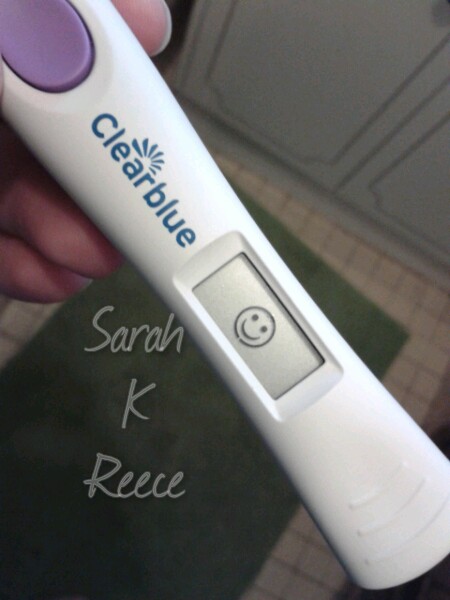
Motherhood with Rose

Rose and I talk a lot about having kids. When, how, child raising values, options for donors, financial pressures, housing challenges, and the unique concerns and possibilities afforded by a pair of women in a relationship. (we are by far luckier than a pair of guys in South Australia trying to start a family – sorting out a donor is a lot easier than finding a surrogate) Financial is a messy, tricky one. I don’t want to raise kids in poverty. On the other hand, our poverty, here in Australia, is comparable to some pretty serious wealth in many other parts of the world. It’s a weird one. We’re working on various options for long term financial survival despite health and disability issues. Rose’s job is a blessing in this respect, and I’m trying to juggle my health, my business plans, study, and home life. Some days it feels like it’s all working out, others I’m buried by it all.

I recently discovered that if Rose and I have a child together, that we cannot have both of us on the birth certificate as parents. I’m crushed. I’d been told that this was possible now in South Australia. Apparently there’s a time factor. Both same-sex parents can only go on the birth certificate if they have been legally recognised as defacto partners for several years. This seems arbitrary and ridiculous to me. One night stands resulting in pregnancy are recognised, while both of us loving and planning and being cautious about living together before we’re ready have to go to such lengths to prove we are parents. I hate it.

One of the challenges I find is that culturally we have this idea of the real Mum. A lot of us don’t fit it. A step mum isn’t a real Mum. A transwoman can’t be a real Mum. An adoptive mother isn’t a real Mum. And the first time someone asked Rose which one of us was going to be the real Mum, I realised that we weren’t going to fit it either. One of us, the one who carries the child, is seem as the real Mum. The other of us will be the other mother, an oddly dispensable role, and one with eerie echoes of the creepy bad character from Coraline. The person who isn’t on the birth certificate, who has no automatic legal recognition, and who is often seen as a kind of watered down, inadequate father, or an unnecessary duplicate. A kind of spare Mum, in case something happens to the real one.

Gender roles can be a real headache. I hate them when I’m in a relationship with a man. I hate them when I’m in a relationship with a woman. I hate being asked ‘which one of us is the man’ as if being male and being the ‘dominant’ partner are synonymous, and as if every partnership must have a man or a man substitute in it to be legitimate. I find it deeply offensive to be told that ‘all relationships, even gay ones, have a male and a female in them’, and Rose and I have encountered this idea more than once! Or to be asked which of us is the ‘butch’ one, or which is the man of the household. (obviously, that’s my cat, Sarsaparilla) One of the funnest things for me about dating a woman is that there are no clear social roles. Who pays at dinner? Do you open doors for each other? Who cooks the BBQ’s? You get to define all these between the two of you to be whatever you like. This is awesome! You can figure out what suits you with a whole lot less social friction around defying traditional gender roles. Unless of course, you’re in networks who need women to be ‘girly’, or need one of you to be clearly defined as the ‘manly one’.

The same gender role issues happen when you start planning a family. I don’t like being seen as a castrated father to a child Rose carries and delivers. I am a real mother. The clearly defined roles of mother and father that have been inherited from a terrifyingly rigid 1950’s model, get instead broken down and parcelled out to each parent, each aunt and uncle and family friend and godparent and grandparent. Everyone brings something different, something unique, to the life of a child they care about. We’ve spent so much time in our culture having arguments about gender and how being a mother and being a father is different, more or less important to a child. Gender is important, if for no other reason than it is an intensely key aspect of how our society thinks about and treats people. But, like relationships, parenting roles work best when they’re fitted to skills, interests, and passions, rather assigned based on gender.

People are often baffled or weirdly thrilled when Rose and I tell them we each hope to carry a child. On the one hand, this fits us neatly into the gender roles of female. On the other, it defies the belief that even queer relationships have strictly separate male and female roles. And here’s the real kicker – to both be legally recognised as parent of our own children, we would have to be living together in a defacto relationships for a number of years – which is assessed by welfare and would radically reduce my pension without considerably reducing our expenses. This doesn’t happen for any other type of relationship. I could live with my sister or any other family member, any friends, anyone else in the world, provided we’re not having sex. We could raise children together, share household responsibilities, in all other ways be a family… we could even be ex’s or one could be full time providing care for the other through sickness or disability. But if we are currently in a sexual relationship, I become immediately forced to be financially dependant on Rose, and both of us struggle to pay the bills. You know what – I realise that we’re so used to this idea it seems ‘normal’ to us, that we have spent a very long time building our notion of family around a sexual relationship between a single couple, but I’m repulsed by this. It makes me feel like my government is prostituting me. Rose and I could support each other as straight single Mums, raising each other’s kids together, we could relate as sisters, we could build our own family on any number of wonderful different ways, but sex is different. Sex means I can’t maintain my financial independence, my own balance of power, my separate self. We’re a halfway secular country still running on ideas of ‘becoming one flesh’. This makes people like me highly vulnerable. I have watched so many people, often but not always women (that’s another post!), become so vulnerable because of our ideas around housing, finances, and sex. It’s time for change. If we want to stop the merry go round of vulnerable people winding back up on the streets or in shelters, we need to make it much, much easier for them to explore new relationships without losing their housing or income! This bizarre privileging/excluding of sexual/romantic relationships apart from all other kinds of relationships is so unnecessary. Families come in many different formats. Love is what binds us together. There are platonic flatmates out there with 1,000 times the compassion and devotion to each other than exists between some mothers and their children, or some husbands and wives. Sex with someone should not collapse you into a single legal entity, financially or in any other way. We are beyond this now, thankfully, here at least. We are not property. We are not resources to be sold or bargained over. Marital rape is a real thing. Domestic violence is a real thing. Queer relationships are no longer illegal or mental illnesses. Fostering, adopting, kinship care, and step families are part of our normal family make-up now, as are extended communities of ‘family’ we may have no blood or marriage ties to. More than one sexual partner in our lifetime, casual sex, poly relationships, and defacto relationships are happening all the time. When our laws around tax, marriage, lineage, and legal standing haven’t caught up with the social changes, people are highly vulnerable, such as trans people having their marriages dissolved whatever their wishes. People get hurt!

So, Rose and I live in separate houses, because it has worked for us. It keeps us both independent financially, it gives us each a sense of secure home that isn’t threatened by hitting a rocky patch in our relationship, (because we have not got our shit together around housing and homelessness in this culture!), it holds onto my public housing unit while we try to decide if we’re financially secure enough to let it go, and stops our cats from killing each other. We’ve made it work for us. We love our little commune of close friends. It’s unusual but not unheard of, Frida Kahlo and Diego Rivera lived in adjoining houses, as do/did Tim Burton and Helena Bonham Carter. We’ve taken the challenges and found a way to make them work for us. We’re now faced with the bizarre scenario that the only way we can both be entered onto the birth certificate of our child (and therefore legally recognised as joint parents) is to trek across state borders towards the end of pregnancy, and make sure that we give birth to any children in Victoria, where the laws are different. The only alternative is to give up on the birth certificate and pay lawyers a lot of money to draft parenting agreements. But that empty box on the birth certificate, it’s haunting.

We’ll figure it out. We’ll be okay. We’ll make it into an adventure, a wild story to tell, I hope. We are so damn fortunate, we have so much protection and so many rights, bought through much struggle and courage by people who have come before us. We have some of the most beautiful friends and family in the world, people who see us as people rather than living embodiments of gender roles. People we love as family, who are excited for us and supporting of us. We are blessed indeed. But this mess around both of us being recognised as mothers makes me very angry. We deserve better.

Pre-conception Care

image


It’s been an amazing day. Rose and I have started pre-conception care. We’re buying and borrowing good books, looking for info on SA queer friendly lawyers (there’s paperwork involved with rainbow families!), working on diet and exercise, saving money, starting conversations with possible donors, discussing household and family structures, and starting the process of medical assessments. Today was a very medical day. I’ve had a bunch of tests done, including coping great with my first trans-vaginal ultrasound (to see how my womb health is going, considering that I have endometriosis) and I am so pleased! I was pretty nervous about it, and for the first time Rose and I were together for these tests, so we’re starting down the road of learning how to support each other through them. I’m so glad. Coping with medical touch can be a challenge but lots of hard work I’ve done over the years is fortunately paying off really well. Hurrah! I had to explain to Rose how not to fuss over me too much, because it spooks my inner kids and makes it all a lot harder to cope with. It was a ‘I’ve got my great big boots on and I can laugh anything off’ kind of day, and I’m damn proud of myself and very excited! I’m glad that we’re getting a chance to learn how to look after each other in medical fertility appointments before the really big ones where they’re listening for heartbeats or giving bad news.

We celebrated with chai lattes in my favourite local cafe, and went and bought a bag of 50 jonquils to plant in the garden. Flowers always feel like the perfect way to celebrate hopeful baby events. We have appointments coming up for further tests at Repromed, a local fertility clinic with a good reputation for being welcoming of queer couples. There’s challenges but it’s so exciting to be on the road! Even already, we’ve noticed the sense of vulnerability, how quickly we get excited and then crash when things don’t work out as we hope, a possible donor can’t be involved, or we can’t get test results for weeks. We’re moving quickly but being gentle too, laying lots of groundwork to be able to process events and take good care of each other. This can be really hard on couples! We want to ride it out together.


Happiness

image

Rose and I are away again, house sitting in the hills with Zoe. It’s bliss. Yesterday friends visited for fire baked spuds and card games. I’ve spent today sleeping or reading in front of the fire. Rose is spoiling me. Last week was busy, I’m still embroiled in tax paperwork, my cert 4 in small business management started and there were some stressful emotional days. By Friday night I was teary with exhaustion and pain was making me short fused. The effort of getting out of the house, especially with the dog crate and so on for Zoe, was almost too much. But we did it, and it’s been wonderful.

I was thinking the other day how normal it’s become to be multiple. When Rose I go shopping, and I switch to a little kid in the lolly aisle, we are both so unconcerned. Mostly people don’t notice, and we don’t draw attention to ourselves. But we’re not afraid or ashamed either. Those who do see something different probably assume that I have some kind of intellectual disability or delay. I’ve long stopped being distressed by that or feeling ashamed of being seen that way. So what? In some ways, I am ‘delayed’ at that moment, by about 25 years. 😉 I’m not afraid of being thought of as disabled because I don’t think about disability the same way any more. Me switching is so normal for us, not a big deal, not a source of shame or anxiety. (I switch many times a day, and my system ages range from 5 up and cross various experiences and expressions of gender – most who don’t know me well would not be able to tell that I’ve switched – Rose usually can)

This is such a difference from the years I was terrified of someone else finding out, from my first disclosures where people reacted so badly. So different to being diagnosed with a “terrible disorder” that would prevent me ever getting work, that would ensure I spent years in and out of psychiatric facilities, that would wreak havoc on my relationships and require thousands of excruciatingly painful hours in therapy for any hope of peace or happiness. I feel like someone who was told they would never walk again who goes dancing on Saturday nights. They got it all so very wrong, and I’m so glad I didn’t listen.

So I’m different, in some ways that people can’t see, and in others that are at times visible. So what? Welcome to the world, it’s a very diverse place. I’m not a freak show, and I’m not scared of a conversation about dissociation with a checkout operator either. I am so blessed, so at peace. I don’t live like a spy in a foreign land any more, watching everything I say, always concealing some truth of my identity that would destroy everything. How much of what we put down to the ‘mental illness’ is the stress of this way of living? The loneliness of it, the chronic, grinding fear? I’ll never forget having new members to Bridges, the group for people who experienced dissociation and/or multiplicity that I ran for several years, weeping when they first attended, because it was the first time in their lives they’d met anyone else like them. I’ve been lucky to know and care for and love and learn from so many people, and so many fellow multiples over the years. I’ve made mistakes, I’ve lost a few along the way, but I’ve learned, I’ve been humbled, I’ve tried to take the lessons with me, the hard won wisdom whether through success or terrible disaster.

I feel set free from those old, dire prognosis, and I hope my work, my choices, the way I live my life, also helps to set others free. My life is not without pain, I live in chronic physical pain, I have experienced extreme emotional anguish. My story includes grief, darkness, suffering. I live with ghosts and old wounds that are very deep. I am not ‘recovered’. But I’m also not waiting to get better before I feel alive, or at peace, or hope. All lives touch pain, tragedy, disability, loss. Some more than others, yes. I don’t have a good life in spite of multiplicity or illness. I have a good life because I’m here, present in it, drinking it in, the sorrow and the joy, the pleasure of driving myself hard at work, and the bliss of a day reading by the fire. The warmth in the arms of my lover. I love and I am loved. It is my heart that is the source of my greatest pain, and my brightest happiness, and in matters of the heart I have been fortunate indeed.

For more information see articles listed on Multiplicity Links, scroll through posts in the category of Multiplicity, or explore my Network The Dissociative Initiative.

Links between childhood trauma & adult chaos and hoarding

I know these two things don’t seem to be related, but my experience has been that for some people, there’s several links that can be very difficult to manage. Not everyone who was traumatised or abused as a child struggles with mess & chaos as an adult – and vice versa! Plenty of people who’s personal style is more ‘trench warfare’ than ‘glossy magazine’ haven’t been abused. And there’s a natural diversity here that I don’t wish to pathologise! But for those who have experienced childhood trauma this can be a difficult aspect of their lives, one that causes conflict and shame, and can be depressingly resistant to efforts towards change.

I once had a friend, I’m going to call them Nicole, who really struggled in this area. Their living space, and most especially their bedroom, was in a constant state of chaos and uncleanliness. Things were not just messy but in major disarray. Lack of clean clothes, bedsheets unchanged, food leftovers not picked up, mess from pets not cleaned away. Her spaces ranged from untidy to actual health hazards with moulds on walls or tiles surfaces and in food areas, and food scraps attracting rodents and bugs. I remember being initially confused and then repulsed by the state of her home. I couldn’t understand how anyone could live this way. I would help out from time to time when Nicole became really overwhelmed by it all, and between the two of us we would clean everything back to sparkling and she’d vow to do better. It never lasted. The more I helped out, the more I realised that there was more than messiness going on here. I’ve lived with messy people, they’re a pain to pick up after, but if you’re fairly diligent and there’s not too many of them, you can keep up with things. With Nicole it was different, it was more like she was at times actively trashing her space. And yet, she hated it. She wouldn’t invite friends over because she felt so ashamed of her home. When she house-shared, it was a constant source of massive conflict with her house mates who became fed up with promises to change that never came through. She struggled to maintain work when she couldn’t find any of her resources, important documents, or food for breakfast or lunch. When things got very bad her personal hygiene also suffered, without clean clothes it seemed pointless to shower, the bathroom was unpleasant to spend time in so she would also stop brushing her teeth and hair. Profound humiliation set in as she would take long stretches off work on the basis of anxiety, and self harm and suicidiality would be the result of this awful spiral.

It was so distressing to watch. We talked about it and over the years we started to tease together some idea of what was driving it. Nicole isn’t in my life anymore, but I’ll never forget the conversations we had, and my slowly dawning awareness of the links between her mess and her history of child sexual abuse. We coined a phrase – graphic, but appropriate, for the need that the mess sated – it was her moat of corpses. For a child who hadn’t been safe in her own bed at night, surrounding herself with filth and mess made her feel safer. She slept better at night with the comforting notion that anyone sneaking into her room would fall over the trash so she would hear them coming, would be put off by the mouldy food, might decide it was all just too much trouble. Once articulated however, this idea simply made her feel more humiliated and helpless, like confessing as an adult to a fear of the dark or still wetting your pants. (Neither of which are uncommon for people sexually abused as children when they are triggered and stressed) On some deep level, her inner child was still terrified of sleeping in bed, and found the mess a comforting barrier, and the idea of being unclean and unattractive far safer. These needs, difficult to explore or understand as they were, were far stronger than Nicole’s other needs for order and cleanliness and comfort in her own space. The essence of the struggle was a profound sense of not being safe, and a struggle for control between her deeply ashamed adult self, and her terrified and abused child self. (using this language in the sense in which we all have parts, rather than that of multiplicity)

I’ve since come across this dynamic many more times, with friends or loved ones, or people I’ve reached out to in my mental health work. At times issues like this are driving the cluster of behaviours we call ‘hoarding’, although there are many other things that can instead be at play. I’ve noticed a few more links between childhood trauma and chaos, one is that of the child who is raised in chaos and has no models of how to use adult routines and systems. If you’ve ever helped a child to clean up their room when it’s been completely trashed, you’ll know that children struggle to work out how to break such a big task down to small steps. Helpful adults show a child how to tackle tasks like these ones, perhaps like this; start by putting all the laundry and bedding on the bed, then let’s put all the shoes in the shoe box, now the toys back on the toy shelf, now the lego back in the lego box, now we’ll sort the clean washing from the dirty… and helpful adult have set up basically useful systems in their houses – like having a toy shelf and a place for shoes to go, and a routine at evening where everyone brushes their teeth before bed. Chaotic houses are not like this. The adults in these houses are often either distracted (such as with a very sick child in hospital), overwhelmed (with mental illness, grief, or addiction), lacking in these skills themselves, or abusive or neglectful and do not invest energy in the child’s environment and well being. It’s important to note that chaotic households are not always abusive, particularly in the instance of very bonded parents there may be a great deal of love and fun in all the chaos! But without someone to model how to use systems and routines, kids struggle to develop these skills. In houses that at times also felt unsafe and highly stressful, this effect is compounded in that it can be harder to simply tack on a few extra skills once adulthood is reached.

In other situations I’ve seen children who come from highly organised households still have huge struggles in these areas. Sometimes an abusive parent is not chaotic, but rather wears a mask of caring investment in their child. Children of these parents often reject their hypocritical role model – and so also reject the valuable skills around maintaining a home. It takes a lot of processing, maturity, and self esteem to be comfortable in any way resembling someone who has badly hurt us, or whom we despise. Sometimes it is not the parent who is abusive, but in strict households where order and neatness of appearance are prioritised over connection and expression of emotion, children who are traumatised or being abused in another setting can find themselves under tremendous stress at home when their ‘normal’ reactions to those experiences are interpreted as disrespectful and disruptive. Huge power struggles over issues of neatness and hygiene can result, with the underlying issues of poor self-worth, emotional exhaustion, alienation, and intense emotional pain going completely unnoticed. Rebellion against house rules that are perceived to be overly strict, or designed with the intention of ‘looking good for other people no matter what’s really going on’ can become an entrenched behaviour into adulthood. For many people in this situation, arguments about cleanliness with family members continue well into adult life and remain a constant point of conflict. Awareness that developing these skills and resolving the issues around chaos would meet with family approval can completely block any progress in this area when this approval would be distressing. At times the need to be in opposition to people is far stronger than our need to feel successful in our own lives.

There’s a lot of overlaps between the kinds of dynamics I’m describing and those I see in families where someone is struggling with dangerously disordered eating. There’s both the issue at hand, and the challenge of the massive stress it causes in key relationships. Caring about someone who is a trauma survivor can be challenging. Sharing a space with someone who keeps trashing it can be a source of intense distress! The conflict of needs is not just within the person, but within groups of families, friends, housemates, and neighbours. In severe forms, this can be a health hazard. People can get sick from improperly stored food, or where fridge or freezer doors are left open, moulds can trigger allergies and respiratory issues, and the psychological impact of living in a permanent tip can be huge. It may not be possible to have friends to visit. It can be a huge struggle to maintain your own life and routines when there are not only no clean dishes, but even the dirty ones haven’t been put back in the kitchen and you have to go looking for them every morning if you want breakfast. Mail gets lost. Important things are left in the rain. Broken glasses are trodden on at night in bare feet because no one cleaned them up. The back yard is a mass of dog shit, broken toys, and flies. Undesexed pets spawn litters that are sickly and difficult to home. For some people, the shame is catching, and living with a parent, sibling, or housemate who generates this kind of chaos can make people feel very ashamed. A sense of misery and hopelessness descends. It’s a difficult environment to take good care of yourself in, to feel a sense of dignity and self respect in, even to think clearly in. With all of this comes a sense of being held hostage to someone else’s demons. Efforts to fix everything don’t last or are rejected. Cycles of feeling sorry for them, of ignoring it all, of being really angry with them, cleaning it all up, and numb depression never seem to resolve, except with explosive ruptures where households disband. The underlying shame is re-enforced and there’s no way out.

If you are someone who struggles with chaos, take heart! You don’t have to be caught forever in a spiral of shame and rejection. You may be able to find ways to resolve the needs and learn the skills needed to keep a home ticking over, or you may remain messy and chaotic, but either way you can manage this. The very first thing people often need is a way to be able to think about this without hating themselves. You’re not just a horrible person. It’s not that you don’t try hard enough. I know that you have huge blocks in your head that make this incredibly difficult to even think about, much less act on. It’s not your fault.

If you are living with someone like this, also take heart. You can break out of the cycle and find ways not to be drowned by it all. You don’t have to be caught between feeling sympathy for them (and putting up with it), or hating or leaving them. You are allowed to love someone who is flawed and has been wounded, and struggles with chaos as an adult. You’re also allowed to insist on your right to feel safe and not at risk of harm in your home.

Being able to accept that this is an issue can be a radically different approach when everything you’ve always tried has been either fix it/live with it. This approach is about reducing shame and trying to untangle all the different valid needs that people have. Shame often intensifies the stress that drives this behaviour, creating a loop that drives everyone insane.

Containment is a key need. The spiral I described that Nicole would get into started with messy bedroom > chaotic home > work stress > lower personal hygiene > self harm > feeling or acting on suicidal feelings. If she was flat sharing, the messy bedroom wasn’t the end of the world, but the chaotic home stressed her flatmates, and self harm or suicidal impulses made them scared, angry, and tended to blow up simmering stress into major rejection and restructures. If the spiral can be interrupted, and the chaos can be contained to some level, the catastrophic results don’t come into play. There’s many different ways this can happen. Perhaps 1/2 day a week, everyone cleans up the house together. The rest of the time it might be trashed, but this is a regular enough team effort that it is never too unmanageable to live with. Perhaps rules around safety are agreed upon and the home is allowed to be incredibly messy provided there’s no fire or health hazard. Perhaps the person with the chaos lives alone, or in a separate space, which can be trashed without distressing their partner or family. Perhaps some more money is needed to help set up systems – shelves for boxes, wardrobes for clothes, a fridge with a door handle. Poverty and chaos are often tangled together and they can re-enforce each other. Considering that each often generates disgust and contempt from other people, those struggling with both these issues are in for a very challenging time.

Perhaps different home set ups are explored – often when these dynamics are in play it’s like there’s only two options – trashed, or magazine perfect. Homes come in so many different flavours! Sometimes the magazine look is a huge trigger, but a hippy home full of lamps and rugs, or a thousand knick knacks on shelves, or a collection of indoor plants becomes a space that feels safe and able to be tended and looked after. Sometimes rooms need to be set up differently! If bed feels unsafe, maybe you need to sell the bed, sleep on the couch with the dog for a year, set up that sewing room you’ve always wanted. Maybe you need to move away from our modern trend towards open plan living, and set your bedroom up as a labyrinth, with shelves in front of the door, a box to step over, a lego bucket as the world’s most lethal moat, a lock on the windows. When you’re not feeling overwhelmed by shame, and that not having this problem any more is the only way you’ll be acceptable to friends and family, suddenly you can tap into your creativity and find other ways to manage it.

It’s important to protect other people from our demons, and in some cases where chaos is a trigger for your friend or partner, it can be very difficult! Sometimes our particular demons do not play well together. It’s not the end of everything, you can create enough safe space for your relationships to be happy despite these challenges. They don’t have to dominate your life, threaten your relationships and self respect, and bring social workers into your home. There’s some great resources online such as Unfuck Your Habitat. Part of this is about skills, but a lot of it is about the blocks that can make those skills so hard to learn as an adult. There’s room in life for blocks, we all have them! You can find ways to manage the stress and limit the damage. Good luck!

My experience of sexual health counselling

A few years ago, I took myself off to see a counsellor at my local sexual health clinic. I was anxious as all hell, looking for some support while I grappled with my sexual orientation and dysfunction after previous distressing sexual experiences. What I thought was going to be a brief fix to my anxiety, sending me on my way with some reassurance, has turned out to be some of the most useful and powerful therapy I’ve done. This is completely at odds with everything that says that people with DID need intensive therapy by experts in dissociation and multiplicity. To be honest I manage a lot of that side of my life pretty independently. But help in some areas, such as sexual health, has been invaluable for me.

I didn’t see the counsellor very frequently, often we had a month or two between appointments, but the conversations have changed my life. I developed a routine for sessions, I’d follow them with a trip to the Shine SA resource library and borrow books about bisexuality, sexual dysfunction, sexual development, sexual health in seniors, feminism, gender, and culture, essays about being the children of gay parents, and so on, then I’d head over to a café to sit and ponder the session, write in my journal and sometimes cry into a my chai latte.

What I’ve learned is that sex isn’t a side issue the way we think it is. It’s treated as a specialist topic, quite separate from other issues such as trauma recovery or mental health. But for me, it’s not an issue off to the side of my life, it’s part of my foundations. My experiences and beliefs about sex impact my sense of self, my approach to life, my ideas about relationships. Conversations about identity, power, communication, relationship, love, consent, and desire have had a profound impact upon most aspects of my life and health.

I started with thorny confusion about things like: I think I’m into women, but what if I’m wrong? What if I start dating, some lovely woman falls in love with me, and I break her heart? What if my attraction to women is caused by abuse? What if I’m just trying to piss off my father? …Or conversely, what if I only think I’m attracted to some guys because I’ve been culturally conditioned to think that’s normal? Or because of abuse? (if abuse can make a straight person think they’re gay, can’t it also make a gay person think they’re straight?) Does God hate me? Is this about lust or love? Can it be both? Does what happened to me ‘count’ as abuse? Does my history mean I might abuse other people? How do we define abuse? How do we engage as sexual adults when we’ve been traumatised as children? Does abuse really destroy you forever? Is it possible to have a great sex life after trauma and abuse? How do I navigate coming out late in life?

I have never been able to discuss most of these things with other therapists. Even those who specifically work in the area of trauma and child sexual abuse have not been comfortable discussing sexual matters explicitly and matter of factly. We would talk in generalities, but never openly. Usually the therapist would look deeply uncomfortable and change the topic.

In this therapy, all things were discussed, without shame. There was space for frank discussion, it was respectful, appropriate, and very real. I remember one session starting with the therapist looking me in the eye and saying “so let’s talk about masturbation”, as I blushed with embarrassment and laughed with relief that here, the taboos could be spoken of. (obviously we had a rapport at this point) What use is therapy, if not for the discussion of things you can’t speak about?

These conversations have touched on crucial issues that have helped me to understand so many other areas of my life, such as key experiences that drive my intense self hate, my distress and confusion about the exercise of power, and my tangled and painful sexual development and struggle to reconcile myself to my sexual orientation. More importantly, they’ve helped to free me from them.

A while ago, I said thank you and goodbye. I was sad and grateful and looking to the future. I have navigated coming out as bisexual, and found myself a comfortable place under the umbrella term queer. I have started dating and fallen in love with a beautiful and complex woman, Rose. I have gently ended seven years of celibacy and discovered it is possible to have a wonderful sex life despite having an abuse history and issues with trauma. I have learned a vocabulary I am comfortable with to think, read, and talk about sexual matters. I have overcome sexual dysfunction. I used to suffer from vaginismus, an involuntary flinch reaction due, in my case, to traumatic experiences. While I still don’t like them, I can usually handle medical interventions such as gynaecological exams. I no longer sob with some undefinable, overwhelmingly intense grief every time I masturbate. I’m learning to embrace the diverse gender identity within our system. I have a context for pain and confusion in my childhood. I have begun to understand the cost of family secrets and cultural norms that I inherited, to find ways to face and understand legacies of shame and fear. I no longer think that I was a monster as a child. I am beginning to understand just how little we do understand about sex and sexual development. I am facing my demons and finding some frameworks that make sense. I am looking to the future and thinking about how I engage the world as a parent.

I’m not finished. I’m still living with trauma. I’m still living with the devastation of a family divided by abuse, shame, secrets, and fear. I’m still living in a culture that treats sex as a commodity, that confuses love with narcissism, that struggles to understand consent, that traps victims of abuse in a place of disconnection, silencing, and the expectation of permanent dysfunction, and groups all offenders, those fearful they could be offenders, sadists, the abused, children, criminals, people in breakdowns, pimps, into one box marked ‘inhuman, evil, kill on sight’. I still have questions, losses to grieve, things to understand. But I don’t look at the world, or myself through the old frameworks any more. On the one hand I have a powerful legacy of trauma, distress, self hate, and confusion. On the other hand, there’s absolutely nothing wrong with me and never was. I don’t need to hate myself or to fear sex.

Our ideas about child abuse are often inadequate and ill informed. In the same way that I hear so often often from people struggling with multiplicity who “are not a real DID” (their words, not mine), we don’t have a good understanding of the diversity of people’s experiences that cause pain and suffering. Each creates its own ‘Gap’. There are those who experienced the horrible, sordid stories we are familiar with, who understand how effortlessly lives are split into day and night, the things we speak of and the secrets we keep. There are those who’s stories sit further down spectrums of torture, victims of organised crime or isolated with inventive sadists and debased in ways that defy our sense of hope in humanity. There are also those who experienced harm in contexts that left them wondering if they had any right to claim refuge under the term ‘abuse’, cousins on the farm making grotesque comments about animals mating, a teacher who stood too close and arranged too many private conversations and spoke about his sex life but never touched, an aunt who left porn lying around the house. There are also people who’s harm was not exposure to sexual contact but to silence and fear and shame about anything sexual; menstruation, nocturnal emission, infatuation. People who have never been sexually abused but who have been told they are ugly and repulsive for years, who find this makes sex an experience of painful exposure and deep shame. People who were told they were lucky because they were only ‘almost raped’, or because they were beaten instead of molested. People who struggle to make sense of their experiences and untangle their unique combination of terror, numbness, excitement, shame, curiosity, self loathing, comfort, and loneliness. Some stories have a familiar anguished simplicity to them, the brutality of a more powerful person taking from a more vulnerable. Others are paralysingly complex, people who found some comfort in the sexual experiences when the other parent was so terrifyingly violent, or children who re-enacted sexual abuse in games with each other without realising their gravity. We tend to want to rank traumas but my experience has been that anything that makes you feel disconnected from yourself and the world around you, any story you can’t share and own, anything that makes you hate yourself, has the power to kill you.

There are not many in my past who did wrong with the intention to harm me. Some of my bad experiences for example, were by a peer, then also a child, who had themselves been terribly abused. Sadism is present in my story, but it doesn’t dominate it. Most of my ‘monsters’ were themselves profoundly damaged and abused, which is in some ways easier to process and understand, and in other ways harder. Part of my pain was stories told and secrets that were shared that needed keeping still, and part of it was also being forced to observe sexually abusive behaviour between other people in my personal life. Self hate and a profound conviction that I was evil, and myself a monster, stemmed not only from abusive experiences, but from confusion about my own culpability as a young child, from appalling frameworks that made it impossible to develop any interest in sex without being framed as a monster, creep, unfeminine, dirty, or unholy. Frameworks where being queer, multiple, having a complex relationship to gender, and being attracted to other women were all seen as sickness, sin, and depravity. Frameworks where I was not allowed to control my own body, not allowed to say no to touch that made me uncomfortable, where I must play a role and obey social convention. Frameworks where my body belonged to someone else for their pleasure, where the stakes were astonishingly high and the risks of failure to be perfect and behave as I was required to could not just impact my life but damn my eternal soul. (this is not to suggest that all religions have harmful attitudes towards sex, or that all non-religious cultures are sex-positive)

Like my experiences with bullying, the incidences of contact we think of when we talk about child abuse are not really where the most damage was done to me. There was a much more mundane, insidious harm. The cultures of ignorance, secrecy, shame, confusion, and victim blaming is where I suffered. These cultures can harm people without any direct abuse ever taking place. When we make all the conversations about trauma, and a narrow definition of trauma at that, so many people with struggles miss out on support and resources. I remember once asking a psychologist I was seeing if I could attend the ‘sexual abuse support group for women’ he was facilitating. He told me that my none of my experiences of trauma really qualified as abuse, and that would make the other women feel uncomfortable. It’s been cold comfort to later piece together the complex jigsaw of my life and determine that some of my experiences certainly did fall within that definition.

Like many of us with bad experiences, I’m still grappling with how to translate my knowledge into something that is an asset rather than a poison for my own children, into wisdom and courage instead of paranoia and shame. How can we bear it, those of us who know exactly how vulnerable children can be, and how dark the world but can get? I cannot go forward with the belief that I can control everything and prevent terrible things from ever happening. I can hope that my familiarity with this particular underworld may have sharpened my senses. I put my faith in all the learning that tells us it is not so much the act of being touched that does such harm, it is the lack of support and love, it is the world shattered by secrets, it is the stories we tell to and about children who’ve been hurt, and the stories the abusers tell them, and the stories children tell to themselves. Terrible things sometimes happen to children. This knowledge makes me want to scream at a pitch that will shatter the world. But people also heal, and they heal very well when they know that the world can be terrible, when they can speak about their pain, and when they have love and support and skills to navigate trauma. Many, many cultures in this world who have been destroyed by war, famine, poverty, crime, earthquakes, and the horrific sex crimes that often accompany crisis and social breakdown would attest to this. Resilient cultures mourn and rebuild. I will try and figure out how to be part of a resilient culture, and how to support my children to be resilient. I will try to make sure the frameworks are good, healthy, sex-positive ones. Between the rage and the terror, I will try to accept my limitations in making the world a safe place for my children. I will fight and be aware and do everything in my power, and then I will try to have faith in our capacity to grieve and heal.

I am less afraid. I can speak now. I can read books, search the net, look for information when I’m lost and confused. I’ve found that I’m not alone. Conversations about sex happen everywhere in my life now, and there’s so many people struggling. People with abuse histories, with disabilities, mental illness, with orientations, identities, or desires that mean they don’t fit in the majority, people with anxiety and confusion about sexual health, desire, love, consent. The need is so much greater than me, which is why I started writing my series about emotionally safer sex. I’ve not been struggling and confused because there was something wrong with me. I was struggling and confused because the whole world is conflicted. Mixed messages, terrible advice, wild assumptions, misinformation, disconnection, disappointment, grief, and confusion are everywhere. We confuse privacy with shame, bragging with honesty, coercion with romance, obsession with love.

In sexual health counselling, I found what I needed to be able to engage with this part of the world, and this part of adult life. I don’t have all the answers, but I have a place to stand. The most useful part of this counselling for me, when I drown in shame, confusion, and silence, is the very clear memory of someone speaking with me with compassion, without disgust, without fear. Conversations that untangled sex from shame, and desire from destruction. My hope is that, in some small way, sharing such a personal experience with you will help you also to find this place within yourself, or to be a gentler and more loving support to someone else who hasn’t found it yet.